21 Flowers and Gardening Tips Every Beginner Should Know (Complete Starter Guide)
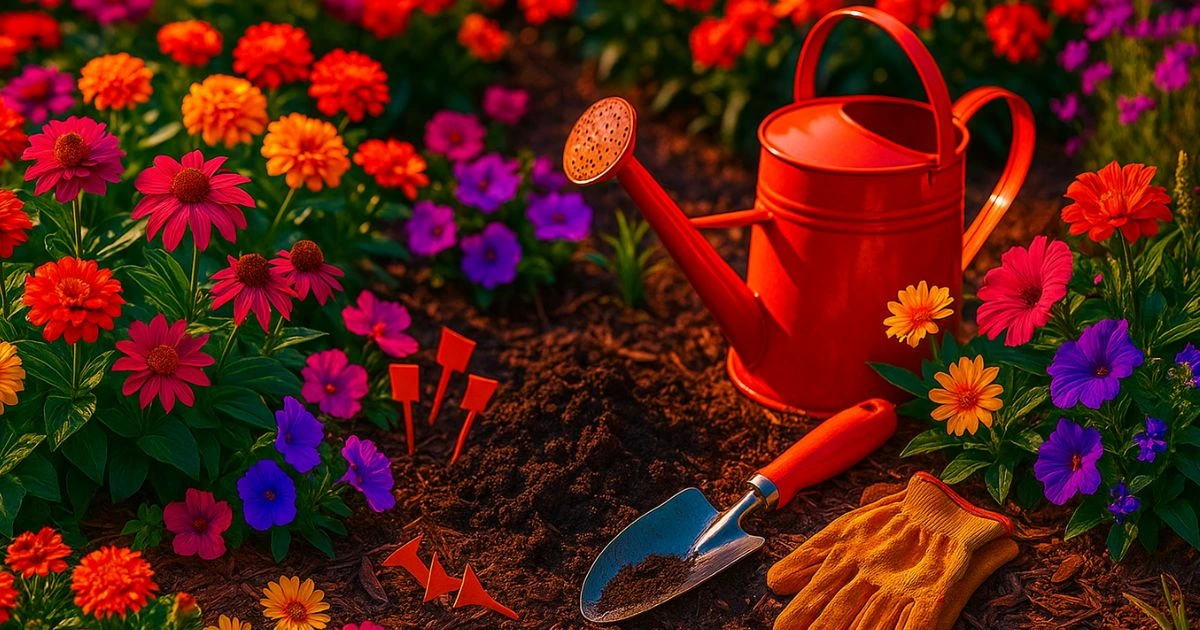
There’s a specific kind of peace that comes from tending to a garden — the gentle rhythm of watering, the quiet of early mornings, and the small thrill of spotting a new bloom. When you step into the world of flowers and gardening, you’re not just picking up a hobby; you’re creating a sanctuary where your hands, your mind, and your heart work together. It starts with one plant, one pot, or one seed, and soon enough your space becomes a reflection of your care and creativity.
If you’re beginning your gardening journey, you might feel excitement mixed with hesitation. Maybe you’re unsure which flowers to choose, how much sunlight your yard gets, or how often you should water. This guide takes away the confusion and gives you clear steps so you can enjoy flowers and gardening without feeling overwhelmed. With beginner-friendly tips, simple instructions, and easy plant recommendations, you’ll feel confident building a garden that brings color and calm into your everyday life.
Understanding the Basics of Flowers and Gardening
Before you plant anything, you need to understand the foundation of flowers and gardening. These basics influence how well your garden grows and how much success you’ll experience as a beginner.
Beginner Gardening Basics
- Start small until you learn your rhythm.
- Know your sun exposure (full sun, part sun, shade).
- Understand your soil type.
- Learn your hardiness zone.
- Choose forgiving, beginner-friendly flowers.
Identifying your USDA zone is crucial for successful flowers and gardening. Look up your zone here:
👉 https://planthardiness.ars.usda.gov/
Your zone helps you choose flowers that will survive your winters and thrive through your summers.
Choosing the Best Beginner-Friendly Flowers
The right plants can make your experience with flowers and gardening much more enjoyable. Some flowers practically take care of themselves, making them perfect for new gardeners.
Easiest Annuals for Beginners
Annuals bloom fast and brightly, giving you quick success in your flowers and gardening journey.
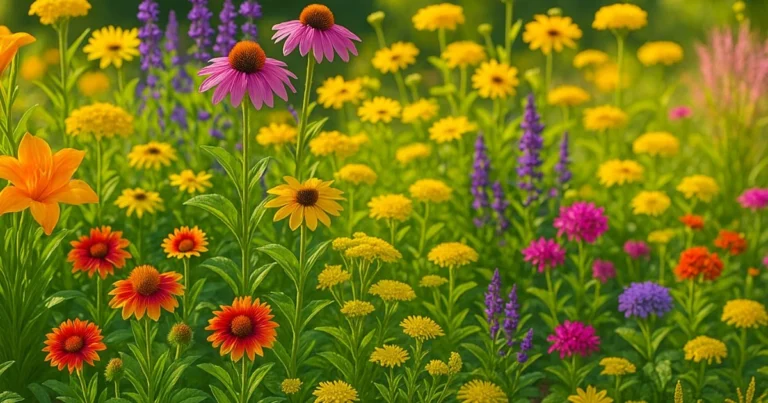
- Marigolds
- Zinnias
- Petunias
- Sunflowers
Why annuals help beginners:
They grow quickly, giving you immediate color and instant feedback as you learn.
Easiest Perennials for Beginners
If you want beauty that returns every year, perennials are essential for flowers and gardening success.
- Coneflowers
- Black-Eyed Susans
- Daylilies
- Coreopsis
These hardy flowers thrive in different conditions and require minimal upkeep.
Shade-Loving Beginner Flowers
Even if your yard lacks full sunlight, you can still enjoy flowers and gardening with these shade lovers:
- Impatiens
- Hostas
- Begonias
Learn more through UF/IFAS resources:
👉 https://gardeningsolutions.ifas.ufl.edu/
Understanding Light Requirements for Successful Flowers and Gardening
Light is one of the biggest factors in how well your garden grows. Matching flowers to the right light helps your garden bloom without stress.
Light Categories
- Full Sun: 6–8 hours
- Partial Sun: 4–6 hours
- Partial Shade: 2–4 hours
- Full Shade: Under 2 hours
How to Measure Sunlight
- Observe your yard throughout the day.
- Note morning vs afternoon light.
- South-facing areas receive stronger sun.
Accurate sunlight observation ensures your flowers and gardening choices thrive instead of struggle.
Preparing Your Soil for Gardening Success
Healthy soil is the heartbeat of flowers and gardening. If your soil is poor, your flowers will struggle regardless of how much care you give them.
Common Soil Types
- Sandy soil drains quickly and needs organic matter.
- Clay soil holds moisture and compacts easily.
- Loam soil is ideal for most flowers.
How to Improve Soil
Improve your soil with:
- Compost (nutrient boost)
- Peat moss (moisture retention)
- Manure (microbial activity)
- Perlite/vermiculite (drainage)
For soil testing, check with local Extension programs:
👉 https://www.extension.org/
This small step boosts your success with flowers and gardening more than almost anything else.
Beginner-Friendly Planting Techniques
Good planting practices help your flowers establish strong roots and grow more vigorously.
Step-by-Step Beginner Planting Guide
- Choose flowers suited to your light conditions.
- Prepare soil using compost and amendments.
- Dig a hole twice the root ball’s width.
- Keep the plant at its original soil level.
- Backfill gently to remove air pockets.
- Water deeply to help roots settle.
- Mulch to conserve moisture.
Following this method sets your flowers and gardening foundation strong from day one.
Container Gardening for Beginners
If you’re working with limited space, containers make flowers and gardening accessible, flexible, and simple.
Container Gardening Tips
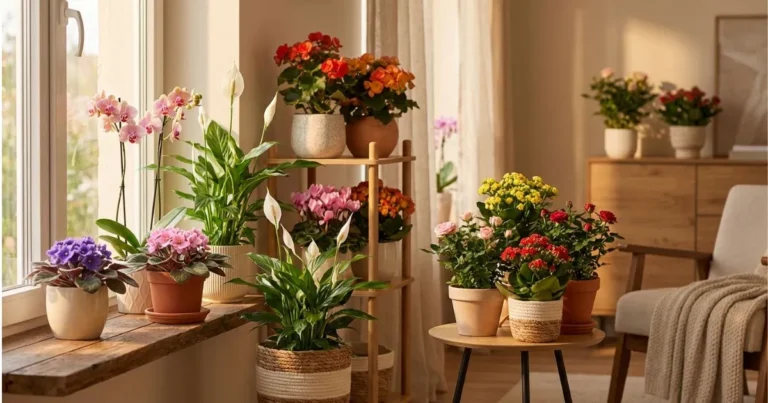
- Always choose pots with drainage holes.
- Use high-quality potting mix.
- Water containers frequently — they dry faster than ground beds.
- Add slow-release fertilizer for steady nutrients.
Containers let you experiment freely without committing to a full garden bed, making them a perfect starting point.
Raised Bed Gardening Basics
Raised beds create structured, controlled environments for flowers and gardening, especially for beginners.
Benefits of Raised Beds
- Less bending
- Better soil control
- Faster warming soil
- Fewer weeds
- Better drainage
Recommended Soil Mix
- 40% compost
- 40% topsoil
- 20% perlite or coarse sand
This mix helps beginners avoid the most common soil problems in flowers and gardening.
Watering Tips for New Gardeners
Watering is often what confuses beginners most. Your flowers depend heavily on consistent, smart watering practices.
Watering Tips
- Water in the morning.
- Aim at the base, not the leaves.
- Water deeply, allowing roots to grow down.
- Use the “Finger Test” to check moisture.
- Avoid shallow, frequent watering.
Smart watering keeps your flowers and gardening efforts healthy and manageable.
Fertilizing Your Flower Garden (Beginner Recipe Included)
Beginner-friendly fertilizer gives your flowers steady nourishment without overwhelming you with complicated ingredients.
DIY Fertilizer Recipe
| Ingredient | Amount | Purpose |
|---|---|---|
| Compost | 2 cups | Adds organic nutrients |
| Bone Meal | ½ cup | Strengthens roots |
| Epsom Salt | 1 tbsp | Boosts bloom quality |
| Liquid Fish Fertilizer | 2 tbsp | Supplies nitrogen |
| Slow-Release Fertilizer | ¼ cup | Provides long-term feeding |
Instructions
- Blend ingredients thoroughly.
- Add a small amount around stems monthly.
- Water deeply after applying.
- Avoid over-fertilizing new seedlings.
Using a simple mix like this helps beginners stay consistent and successful with flowers and gardening.
Preventing Common Beginner Gardening Mistakes
Many gardening frustrations come from avoidable mistakes. Avoid these and your experience with flowers and gardening becomes much more enjoyable.
Common Mistakes
- Overwatering
- Underwatering
- Poor soil preparation
- Too much fertilizer
- Planting in wrong light
- Ignoring pest signs
Understanding these early keeps your garden thriving.
Natural Pest Control for Beginners
Pests can frustrate beginner gardeners, but simple, natural solutions keep your flowers thriving.
Common Pests
- Aphids
- Whiteflies
- Caterpillars
- Snails
- Spider mites
Easy Natural Remedies
- Neem oil spray
- Insecticidal soap
- Mulching to block weeds
- Hand-removing pests
- Encouraging ladybugs and other helpers
More pest advice here:
👉 https://gardeningsolutions.ifas.ufl.edu/
Budget-Friendly Gardening Tips for Beginners
You don’t need to spend a lot to enjoy flowers and gardening.
Money-Saving Tips
- Grow from seeds instead of nursery plants
- Reuse pots and containers
- Swap plants with friends
- Use rainwater for irrigation
- Propagate cuttings to expand your garden
Small changes add up fast.
Creating a Beginner-Friendly Garden Design
Setting up a visually appealing space makes your garden feel intentional and inviting.
Simple Layout Ideas
- Plant taller flowers at the back
- Group flowers by color
- Repeat patterns for harmony
- Use curved edges for softer visuals
Beginner Garden Themes
- Pollinator garden
- Cottage garden
- Herb and flower garden
- Color-themed garden
Designing with purpose enhances your flowers and gardening enjoyment.
Maintaining Your Garden Throughout the Year
Maintenance ensures your flowers look vibrant, healthy, and welcoming.
Weekly Tasks
- Deadhead spent blooms
- Inspect for pests
- Water consistently
Monthly Tasks
- Add compost
- Light fertilizing
- Trim leggy stems
Seasonal Tasks
- Refresh mulch
- Replace annuals
- Clear dead foliage
These habits transform your efforts with flowers and gardening from stressful to satisfying.
Conclusion
Beginning your journey with flowers and gardening is one of the most rewarding things you can do for your home and your peace of mind. With a few simple tips, smart choices, and consistent care, you can create a space that blooms with color and joy. Your garden doesn’t need to be perfect — it only needs your willingness to learn and grow alongside it.
FAQ: Flowers and Gardening for Beginners
What flowers are best for beginners?
Marigolds, zinnias, coneflowers, sunflowers, begonias.
How often should beginners water flowers?
Deep watering 2–3 times weekly works for most flowers.
Can beginners garden in containers?
Yes — containers are one of the easiest ways to try flowers and gardening.
What soil works best?
A well-draining mix enriched with compost.
How can beginners avoid pests?
Neem oil, insecticidal soap, mulching, and routine checks.