Planting Peppers in Pots: Your Complete Guide to Thriving Container Pepper Gardens
If you’ve ever imagined stepping onto your balcony, patio, or small outdoor space and picking fresh, colorful peppers straight from your own container garden, planting peppers in pots can turn that idea into reality. It doesn’t matter whether you live in a large home or a compact apartment—container gardening peppers makes the entire process accessible, manageable, and incredibly rewarding.
There’s a certain confidence you gain when you grow your own food, even if it starts with just one pot. When you learn how to care for peppers in containers, you discover how easy it is to manage the soil, sunlight, and watering schedule. These small advantages create big results: stronger plants, fewer pests, and healthier, more flavorful peppers. If you’re new to the concept, know that growing peppers in pots is often faster to succeed with than in-ground planting because you control every variable.
This guide walks you through everything you need to know about planting peppers in pots—from choosing containers and soil mixes to harvesting and cooking with your homegrown produce. Whether you’re new to container gardening peppers or looking to refine your current setup, this is your complete blueprint for success. For best practices on container gardening, see the Royal Horticultural Society’s guidance (https://www.rhs.org.uk).
Table of Contents
Why Planting Peppers in Pots Is an Ideal Choice
There are many reasons gardeners—beginner and experienced—turn to container gardening when growing peppers. Unlike traditional garden beds, pots give you control over the environment and let you grow peppers in almost any location with adequate sunlight.
Benefits of Growing Peppers in Containers
Planting peppers in pots offers advantages that you can’t always get from ground gardening:
- You can grow peppers even without a backyard.
- Containers are easy to move when you need more sun or shelter.
- You can manage soil quality and prevent soil-borne pests.
- Moisture control becomes simpler and more precise.
- You can grow multiple pepper types in a small area.
Container gardening peppers also allows you to extend the growing season. If the weather turns cold unexpectedly, you can bring your pots indoors or close to a sheltered wall to keep plants warm. Many urban gardeners find that growing peppers in pots gives them a higher success rate because they can relocate plants to optimal microclimates as needed.
Best Pepper Varieties for Containers
Although many pepper types can grow in pots, certain varieties perform exceptionally well:
Sweet peppers
- Mini Bell
- California Wonder
- Red Beauty
- Lunchbox peppers
Hot peppers
- Jalapeño
- Cayenne
- Thai chili
- Serrano
Compact varieties or those labeled as “container-friendly” typically yield better results, but even traditional varieties thrive with proper care. If you prefer a specialized list for your climate, check your local extension (many state extension services provide variety recommendations; see USDA resources for links and guidance: https://www.usda.gov).
Choosing the Best Containers for Pepper Plants
Picking the correct container is a major part of your success. Because root space directly influences plant growth, choosing the right size and type of pot matters more than most people realize.
Ideal Container Size
When planting peppers in pots, use a container that holds at least 3–5 gallons of soil for each plant. Larger containers help maintain moisture consistency and prevent overheating. Remember: when growing peppers in pots, giving roots room to expand directly improves fruit set and plant vigor.
One plant per pot is the safest approach if your goal is maximum yield and plant health.
Comparing Container Materials
Not all containers behave the same. Here’s a quick comparison to help you choose:
| Container Type | Pros | Cons | Best For |
|---|---|---|---|
| Plastic Pots | Lightweight, affordable, retain moisture | May overheat in hot sun | Beginners |
| Terracotta Pots | Breathable, stable | Dry out quickly, heavy | Warm climates |
| Fabric Grow Bags | Excellent drainage, portable | Need frequent watering | Small balconies & patios |
| Wooden Planters | Attractive, insulated | May rot without lining | Decorative spaces |
If you live in a very warm region, lighter-colored containers help prevent root overheating. In cooler climates, darker containers help warm the soil faster in spring. Because growing peppers in pots concentrates root systems, container material choice affects temperature and moisture more than it would in a bed.
Drainage Tips
Proper drainage is non-negotiable for container gardening peppers. Without it, plant roots can suffocate or rot.
To improve drainage:
- Choose containers with multiple holes.
- Add a layer of mesh or gravel at the bottom.
- Avoid saucers that trap standing water.
Remember: when growing peppers in pots, drainage and airflow around the root zone are two of the most important factors you can control.
Preparing the Perfect Soil Mix for Container Gardening Peppers
The soil you use affects everything—from root development to disease resistance. Container peppers do best in a light, fertile mix that encourages strong roots and steady moisture.
Ideal Soil Ingredients
Use a combination of:
- 50% potting soil (not garden soil)
- 25% compost for organic nutrients
- 25% perlite or coco coir for drainage and aeration
This combination keeps soil loose, airy, and balanced. Many university programs emphasize the importance of sterile, well-draining mixes for containers—see UC ANR for soil mix details and research-backed recommendations (https://ucanr.edu).
Fertilizing Pepper Plants
Peppers in containers need regular feeding since pots lose nutrients faster than ground soil.
Apply:
- A slow-release fertilizer at planting
- A liquid organic fertilizer every 2–3 weeks
- Occasional magnesium boost using Epsom salt (1 tbsp per gallon of water)
A consistent feeding schedule helps prevent common issues like pale leaves or poor fruit development. When growing peppers in pots, plan to monitor nutrient levels more closely than you would in a garden.
Step-by-Step Guide to Planting Peppers in Pots
Now it’s time to get your plants into their new homes. Follow these steps whether you’re starting from seeds or using transplants.
Starting Peppers from Seeds
If you enjoy growing from scratch:
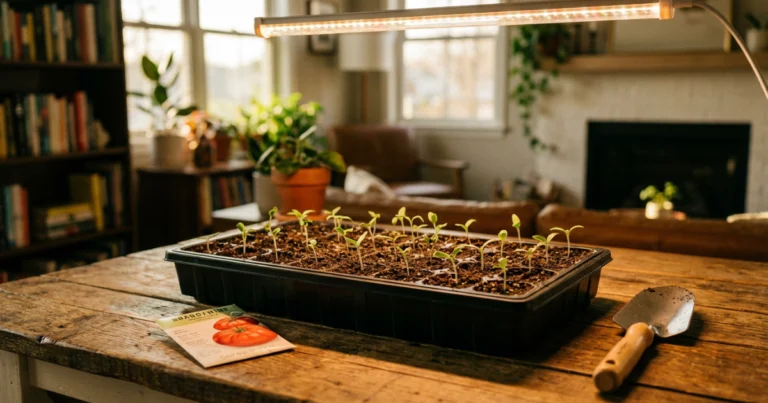
- Start seeds 8–10 weeks before the last frost.
- Keep them warm—around 70–80°F.
- Provide strong light to prevent leggy seedlings.
Seedlings that lean toward the window need brighter light or a grow lamp. Starting from seed gives you more variety choices and can be very rewarding; many people who start growing peppers in pots from seed find the process educational and scalable.
Using Transplants
If you want a faster start:
- Buy sturdy plants with thick stems and deep green leaves.
- Harden them off by gradually exposing them to outdoor sun and wind over 5–7 days.
Carefully checking for pests on new transplants helps prevent introduction of problems into your containers.
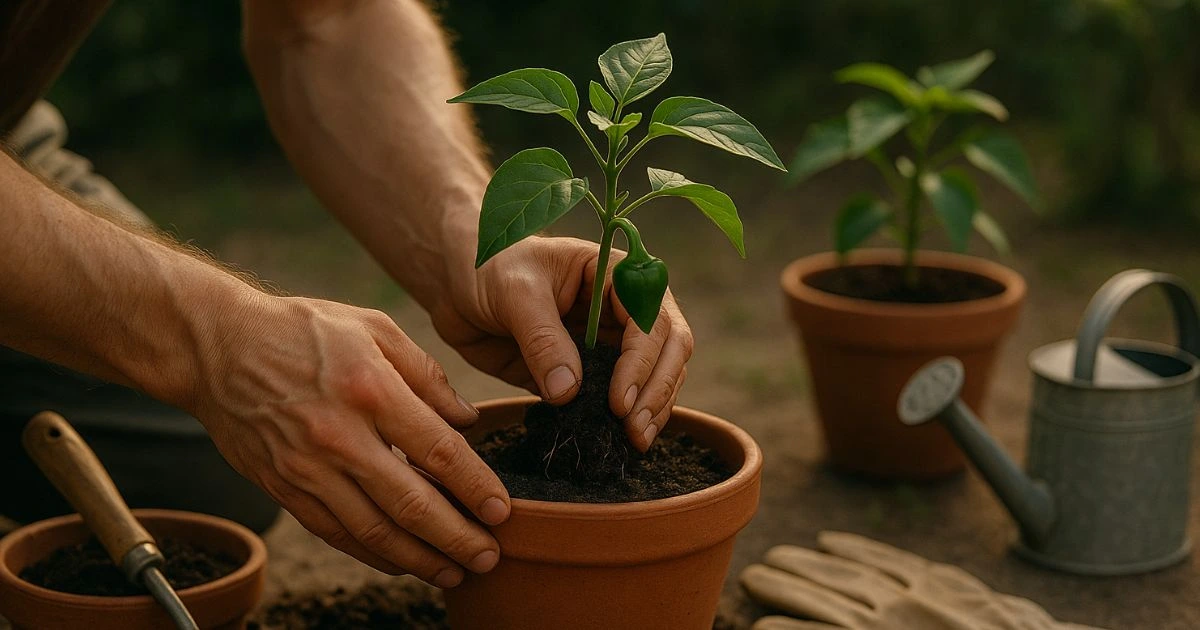
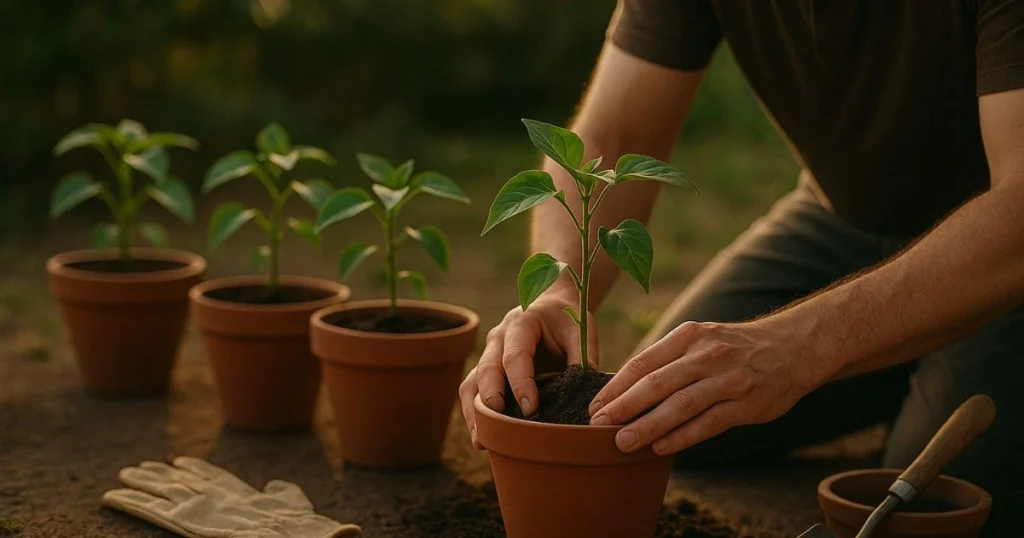
Planting Instructions
- Fill your container with soil, leaving a small gap at the top.
- Dig a hole deep enough to stabilize the stem.
- Plant the pepper deeper than before to promote root development.
- Water thoroughly until moisture drains from the bottom.
- Place the pot in a location with full sunlight.
- Add mulch to reduce water evaporation.
Small tweaks—like shading the plant midday during extreme heat—help when growing peppers in pots in hot climates.
Caring for Peppers Grown in Containers
Good care leads to healthy, productive plants. Because pots dry out faster and heat up more quickly than garden beds, consistency is key.
Watering Guidelines
Keep soil moist but never soggy. Let the top inch dry out before watering again.
During hot weather:
- Check soil moisture morning and evening.
- Water deeply when needed; frequent light watering encourages shallow roots.
- Consider self-watering pots or drip lines if you travel.
Consistent moisture management is essential when growing peppers in pots; uneven watering often causes blossom drop and poor fruit development.
Sunlight and Temperature Requirements
Peppers thrive under:
- At least 6–8 hours of sunlight
- Daytime temperatures of 70–85°F
- Nighttime temperatures above 55°F
If you lack adequate sun, relocate pots or use supplemental grow lights. Many urban gardeners find that growing peppers in pots indoors under lights produces reliable yields year-round.
Pruning and Support
- Remove any leaves touching the soil.
- Trim yellowing or damaged foliage.
- Use stakes or small cages for tall varieties or heavy fruit loads.
- Pinch lateral shoots to encourage stronger main stems.
These small practices keep plants healthy and highly productive. Proper support is especially important when growing peppers in pots because wind can topple top-heavy plants in container environments.
Common Pepper Problems in Container Gardening
Even with good care, you may encounter issues. The good news is that container-grown peppers make problem-solving simpler because each plant is isolated and easier to monitor.
Common Pests
- Aphids
- Whiteflies
- Spider mites
- Fungus gnats
Solutions:
- Spray neem oil weekly.
- Use insecticidal soap on affected leaves.
- Introduce beneficial insects like ladybugs or lacewings.
Act early—because growing peppers in pots concentrates pest pressure on fewer plants, catching problems quickly prevents losses.
Common Diseases
Peppers in pots can develop:
- Blossom end rot (often from inconsistent watering or calcium deficiency)
- Powdery mildew (from poor airflow)
- Bacterial leaf spot
- Root rot (from overwatering)
To prevent these issues:
- Keep leaves dry and promote airflow.
- Avoid soil that stays wet for long periods.
- Use clean containers and tools.
If you suspect a disease you can’t identify, consult extension resources (USDA/Extension sites have diagnostic guides: https://www.usda.gov) and isolate affected plants when possible.
Troubleshooting Quick Guide
- Yellow leaves → nutrient deficiency or overwatering
- Droopy leaves → heat stress or underwatering
- Small peppers → lack of sunlight or poor pollination
- Brown spots → calcium deficiency or irregular watering
Harvesting and Storing Fresh Peppers from Containers
Harvesting peppers is one of the most rewarding moments of container gardening peppers. When peppers reach their full size and color, they’re ready to pick.
When to Harvest
Most varieties are ready 60–90 days after transplanting. Use pruning shears to avoid damaging the plant.
Peppers left on the plant longer become sweeter and deeper in color. If you want a continuous harvest, pick ripe fruit regularly; this encourages the plant to produce more.
Proper Storage Methods
- Store unwashed peppers in the refrigerator for up to two weeks.
- Freeze chopped peppers for soups and stir-fries.
- Dry hot peppers to make your own chili flakes.
- Pickle for long-term storage and flavor.
Because you are growing peppers in pots, you may find your harvests are timed nicely for immediate use—small, fresh batches that don’t go to waste.
Recipe: Simple Homemade Stuffed Peppers Using Your Harvest
Ingredients Table
| Ingredient | Quantity | Notes |
|---|---|---|
| Bell peppers | 4 | Any color |
| Ground meat or lentils | 1 lb | Protein base |
| Cooked rice | 1 cup | Warm |
| Onion (chopped) | 1 | Adds flavor |
| Tomato sauce | 1 cup | Moisture |
| Garlic (minced) | 3 cloves | Seasoning |
| Olive oil | 2 tbsp | For sautéing |
| Salt & pepper | To taste | Adjust as needed |
Instructions
- Preheat oven to 375°F.
- Cut tops off peppers and remove seeds.
- Sauté onion, garlic, and meat/lentils.
- Stir in rice and tomato sauce.
- Stuff peppers with mixture.
- Bake for 30–35 minutes until tender.
Serving Ideas
- Add shredded cheese on top.
- Serve with salad or roasted vegetables.
- Pair with crusty bread for a complete meal.
FAQs About Planting Peppers in Pots
What is the best pot size for planting peppers in pots?
A 3–5 gallon container works for most varieties, while bell peppers prefer 5 gallons for robust root development.
How often should I water peppers in containers?
Water when the top inch of soil feels dry. In hot weather you may need to water daily. Consistent moisture is crucial when growing peppers in pots.
Do peppers grow well indoors?
Yes—if you provide bright grow lights and maintain warmth. Many people have success growing peppers in pots indoors during cooler months.
How many pepper plants per pot?
One plant per pot gives the best results and reduces competition for nutrients.
What type of soil is best for container peppers?
A lightweight potting mix enriched with compost and perlite or coco coir is ideal for container gardening peppers.
Conclusion: Start Planting Peppers in Pots Today
When you choose container gardening peppers, you gain flexibility, space efficiency, and the ability to grow fresh produce regardless of your living situation. By choosing the right container, soil, and care routine, you’ll enjoy healthy, productive plants all season long. Growing peppers in pots is a practical, rewarding project you can begin this weekend.
Call to Action: Start with one pot and one variety. Plant your first seedling, watch its progress, and enjoy the first crisp bite of a pepper you grew yourself. Share your success or questions with your local extension or gardening community to keep improving each season.