Growing Corn in Containers: Your Complete Guide to Big Harvests in Small Spaces
There’s something almost magical about corn. Maybe it’s the rustle of the leaves on a warm afternoon, or the way the stalks stand tall and proud as they reach for the sunlight. For many people, the idea of growing corn brings back memories of childhood summers, wide open gardens, and the excitement of picking that first ripe ear. But when you live in a smaller space, it’s easy to assume corn is a crop reserved only for sprawling backyards or rural fields.
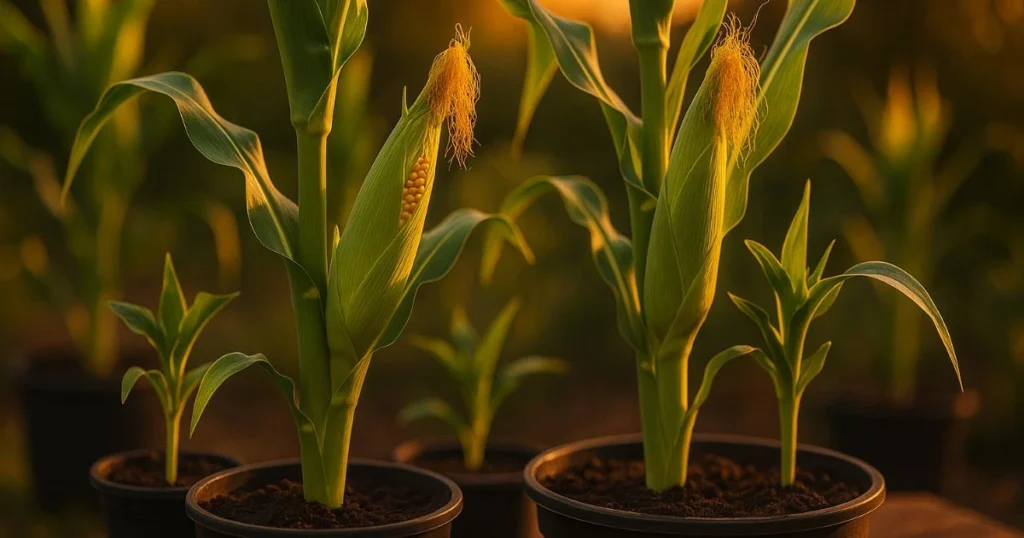
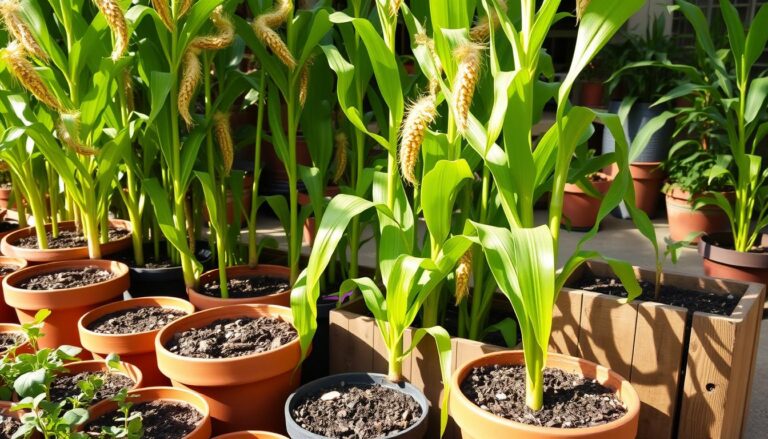
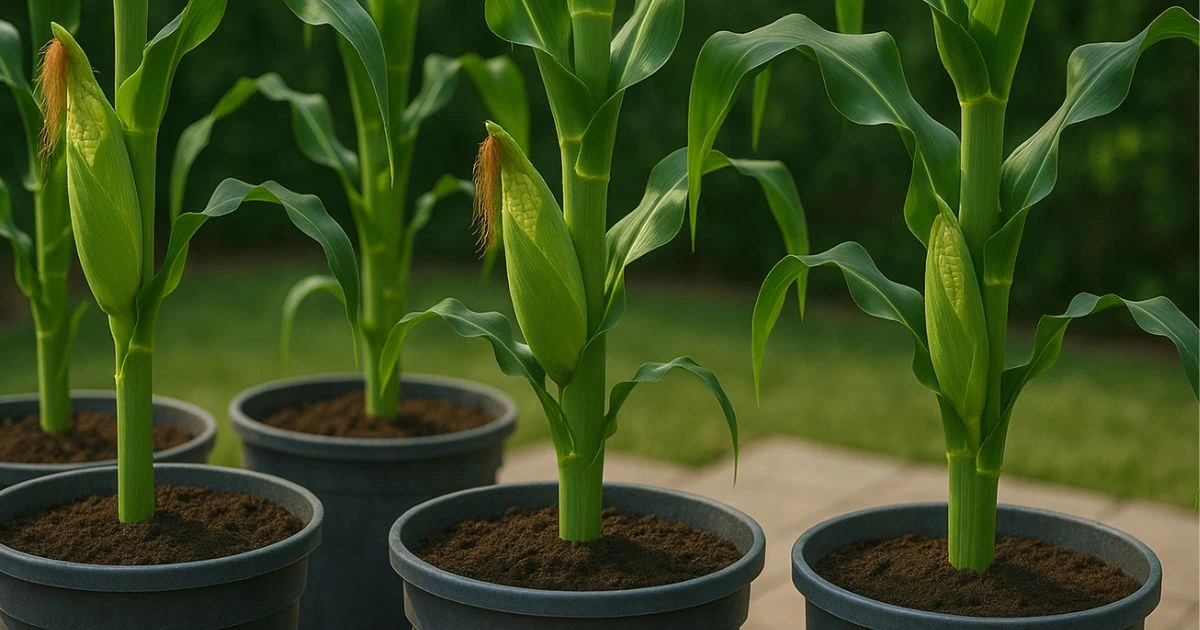
The truth is, growing corn in containers opens the door for anyone — even apartment dwellers — to experience that same joy. A balcony, patio, or sunny corner can become the perfect home for a small patch of corn. With the right methods, container-grown corn can be surprisingly productive, and you may find yourself harvesting sweet, fresh kernels months sooner than you expected.
If you want a deep dive into general container gardening basics, the Royal Horticultural Society provides helpful guidance here:
https://www.rhs.org.uk
This guide walks you through every step, giving you the confidence to grow corn successfully even when space is limited.
Table of Contents
Why Growing Corn in Containers Works Better Than You Think
Growing corn in containers is not only possible, it’s often easier than traditional gardening because you’re in control of the soil, water, sunlight, and spacing.
Benefits of Growing Corn in Containers
- Grow corn without a backyard
- Reduce soil-borne diseases
- Move plants to improve sunlight exposure
- Faster soil warming in early spring
- Easier pest control
How Corn Behaves in Containers
Corn has shallow roots that prefer wide containers. It also relies heavily on wind pollination. When you grow clusters of corn together in a container, pollination improves, and your ears will develop more evenly.
For more details on corn pollination biology, UC ANR offers excellent crop science resources:
https://ucanr.edu
Best Corn Varieties for Container Gardens
Choosing compact, fast-maturing varieties is essential when growing corn in containers.
Top Varieties Ideal for Containers
- Dwarf Sweet Corn
- Early Sunglow
- Trinity Corn
- Mini Popcorn Varieties
Corn Varieties to Avoid
- Large field corn
- Tall heirloom varieties
- Late-season corn types
Corn Variety Comparison Table
| Variety | Height | Days to Maturity | Best Container Size | Notes |
|---|---|---|---|---|
| Dwarf Sweet Corn | 3–5 ft | 55–70 days | 10–15 gallons | Excellent for patios |
| Early Sunglow | 3–5 ft | 60 days | 15 gallons | Beginner-friendly |
| Trinity Corn | 4–6 ft | 68 days | 15–20 gallons | High yields in containers |
| Mini Popcorn | 2–3 ft | 90 days | 5–10 gallons | Compact and decorative |
Choosing the Right Containers for Growing Corn in Containers
Ideal Container Size for Corn
- Minimum: 10 gallons
- Best: 15–20 gallons
- Width: 18–24 inches
- Depth: 12–16 inches
Grow 3–4 stalks per container for proper pollination.
Best Container Materials
- Fabric grow bags
- Plastic planters
- Wooden boxes
- Half whiskey barrels
Drainage Tips
- Ensure multiple drainage holes
- Elevate containers on blocks
- Avoid waterlogged saucers
Soil, Fertilizer, and Watering for Strong Corn
Ideal Soil Mix
- 50% potting soil
- 25% compost
- 25% perlite or coco coir
Fertilizing Routine
Corn is a heavy feeder that needs nitrogen early, then balanced nutrients later.
- Slow-release fertilizer at planting
- Liquid fertilizer every 2–3 weeks
- Balanced fertilizer once tassels appear
Watering Guidelines
Corn prefers consistent moisture:
- Keep soil evenly moist
- Never let soil fully dry
- Water deeply
- Mulch to reduce evaporation
For science-backed watering principles, see USDA’s plant care guidelines:
https://www.usda.gov
Step-by-Step Guide to Growing Corn in Containers
Planting Instructions
- Fill the container with soil
- Add fertilizer
- Plant seeds 1 inch deep
- Space seeds 6–8 inches apart
- Water well
- Place container in full sun
Seed Starting vs. Direct Sowing
Corn performs best when directly sown into its final container.
Positioning for Maximum Light
Corn needs 6–8 hours of sunlight per day.
How to Care for Corn Grown in Containers
Supporting Corn Stalks
Use bamboo stakes, cages, or ties to stabilize top-heavy plants.
Ensuring Proper Pollination
Corn is wind-pollinated. To improve pollination:
- Plant multiple stalks
- Shake tassels gently
- Encourage airflow
Preventing Common Issues
Watch for:
- Aphids
- Corn earworms
- Leafhoppers
- Fungal problems
Good airflow and proper watering minimize these issues.
Harvesting, Storing, and Enjoying Your Homegrown Corn
When to Harvest
Corn is ready when:
- Silks turn brown
- Ears feel full
- Kernels release milky juice when pressed
How to Store Fresh Corn
- Refrigerate immediately
- Freeze kernels or full ears
- Eat fresh for peak sweetness
Simple Fresh Corn Salad Recipe
Ingredients Table
| Ingredient | Amount | Notes |
|---|---|---|
| Fresh corn kernels | 2 cups | From 3–4 ears |
| Cherry tomatoes | 1 cup | Halved |
| Red onion | 1/4 cup | Finely chopped |
| Lime juice | 2 tbsp | Fresh |
| Olive oil | 1 tbsp | — |
| Salt & pepper | To taste | Adjust as needed |
Instructions
- Combine corn, tomatoes, and onion
- Add lime juice and olive oil
- Season
- Serve chilled
FAQs About Growing Corn in Containers
Can you really grow corn in containers?
Yes — with the right varieties and container size.
How many corn plants per pot?
Plant 3–4 stalks in a 15–20-gallon container.
What container size works best?
10 gallons minimum; 15–20 is ideal.
Do container-grown corn plants need hand pollination?
Shaking the tassels gently improves pollination.
How often should you water corn in containers?
Daily in hot weather, and whenever the top inch of soil feels dry.
Conclusion: Start Growing Corn in Containers Today
You don’t need a large garden to enjoy fresh corn. When you choose compact varieties, give them the right container, and offer good sunlight and care, corn becomes one of the most rewarding crops you can grow in a small space.
Start with one container. Plant a few seeds. Watch them rise into tall, graceful stalks.
Your first homegrown ear of corn is closer than you think — start planting today.