Growing Eggplant — A Complete Guide to Thriving Eggplants in Containers
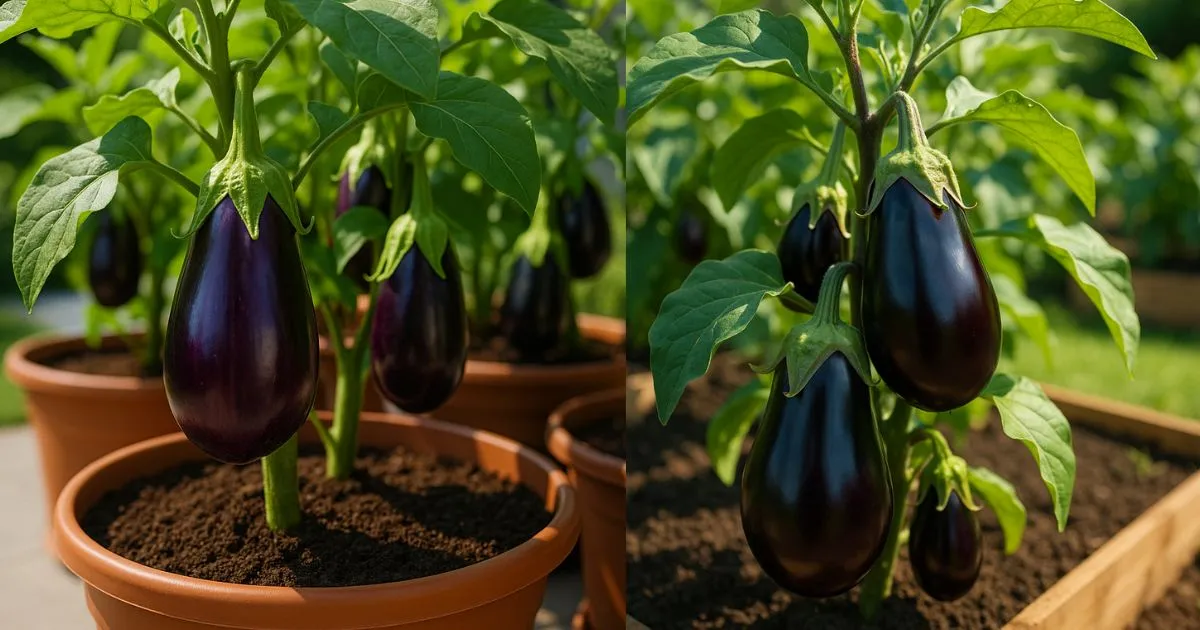
Growing eggplant is one of the most rewarding ways to enjoy fresh, flavorful produce from your own space, no matter how small. When you grow eggplant in containers, you get complete control over soil quality, sunlight exposure, drainage, and temperature — all factors that eggplants love. Watching those glossy purple fruits develop from delicate blossoms is an experience that can make any gardener feel accomplished, even if you’re just starting out.
You don’t need a big garden to grow healthy eggplants. In fact, container gardening often gives you better results because you can tailor the environment perfectly for the plant. As long as you provide heat, sun, rich soil, and regular water, your plants will reward you with continuous harvests through summer.
Table of Contents
Growing Eggplant in Containers: Why This Method Works So Well
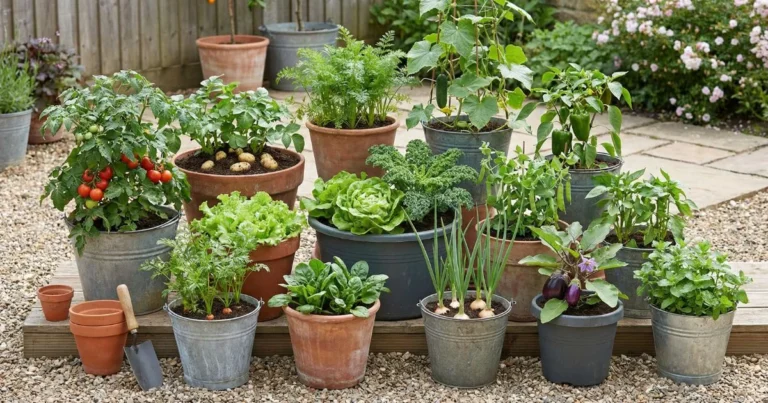
Eggplants thrive in warm, controlled environments, making pots and containers ideal.
Benefits of Container-Grown Eggplants
Container gardening offers several advantages:
- Easier pest control
- Better soil temperature
- Control over growing medium
- Less compaction
- Improved drainage
- Ideal for patios, balconies, or tight spaces
For more general information on container gardening benefits, the University of Minnesota Extension provides an excellent resource:
https://extension.umn.edu/planting-and-growing-guides/containers-and-potting-soils
Containers vs. In-Ground Growing
Container growing helps you maintain ideal conditions more easily than ground planting. You avoid:
- Soilborne diseases
- Poor soil structure
- Low nutrient availability
- Inconsistent drainage
The USDA offers helpful starting points for home gardeners:
https://www.usda.gov/topics/gardening
Best Eggplant Varieties for Growing Eggplant in Containers
While most eggplants adapt well to container life, some varieties perform better due to compact size or early maturity.
Top Compact Varieties
These are excellent for pots because they stay small but produce heavily:
- Patio Baby
- Fairy Tale
- Hansel & Gretel
- Little Fingers
- Ichiban
Larger Varieties That Still Work Well in Big Pots
- Black Beauty
- Nadia
- Pingtung Long
For variety-specific growth habits, Cornell University provides a helpful database:
https://cals.cornell.edu/home-gardening/vegetables
Eggplant Variety Comparison Table
| Variety | Size | Days to Harvest | Ideal Pot Size | Notes |
|---|---|---|---|---|
| Patio Baby | Small | 45–50 | 3–5 gal | High yield, compact |
| Fairy Tale | Small | 50–60 | 5–7 gal | Striped fruit |
| Ichiban | Medium | 55–60 | 7–10 gal | Slender and prolific |
| Black Beauty | Large | 75–80 | 10+ gal | Classic large eggplant |
Choosing the Right Containers for Growing Eggplant
Ideal Container Size
Eggplant roots need room to spread:
- Minimum: 5 gallons
- Ideal: 7–10 gallons
- Depth: 12–14 inches
Best Container Types
- Fabric grow bags (great drainage)
- Plastic pots (retain more moisture)
- Glazed ceramic pots (stable but heavy)
Drainage Requirements
Make sure your container has:
- Multiple drainage holes
- Elevated feet or risers
- No standing water beneath the pot
For additional container recommendations and drainage tips, see Colorado State University Extension:
https://cmg.extension.colostate.edu
Soil, Fertilizer, and Water Requirements for Growing Eggplant
Best Soil Mix
Eggplant prefers loose, nutrient-rich, well-draining soil. Use:
- 50% potting soil
- 25% compost
- 25% perlite or coco coir
This promotes strong root development.
The Penn State Extension explains soil texture and preparation well:
https://extension.psu.edu/soil-preparation
Fertilizing Eggplant
Eggplants are heavy feeders. Apply:
- Slow-release fertilizer at planting
- Liquid fertilizer every 2–3 weeks
- Nitrogen early
- Higher phosphorus/potassium later
Watering Eggplants in Pots
Eggplant requires consistent moisture:
- Water deeply whenever the top inch is dry
- Avoid soaking leaves
- Mulch to prevent evaporation
For detailed irrigation guidance, refer to the University of California Agriculture & Natural Resources (UC ANR):
https://ucanr.edu
How to Plant Eggplant in Containers
Starting from Seeds
- Start seeds indoors 6–8 weeks before frost
- Keep seedlings warm (70–85°F)
- Use a seed-starting mix
- Provide bright light
- Harden off before outdoor planting
Transplanting
- Use one plant per pot
- Plant at the same depth as the seedling tray
- Gently firm soil around the roots
- Water thoroughly after transplanting
Sunlight Needs
Eggplants require:
- 6–8 hours of direct sunlight daily
- Optional grow light if shade is unavoidable
The University of Illinois Extension also offers clear seed-starting guidelines:
https://extension.illinois.edu/veggies
Caring for Eggplant Plants All Season Long
Staking and Support
Fruit weight can bend branches. Use:
- Tomato cages
- Bamboo stakes
- Soft ties
Pruning Practices
Prune to:
- Increase airflow
- Reduce fungal issues
- Redirect energy into fruit production
Remove:
- Lower leaves touching soil
- Suckers you don’t need
- Damaged or yellowing foliage
Pests and Diseases
Eggplants can attract:
- Aphids
- Flea beetles
- Spider mites
- Whiteflies
Diseases may include:
- Fusarium wilt
- Verticillium wilt
- Leaf spot
For organic pest-control guidance, Rutgers Cooperative Extension offers reliable information:
https://njaes.rutgers.edu
Harvesting, Storing, and Enjoying Eggplant
When to Harvest
Pick eggplants when:
- Skin is glossy
- Flesh is firm
- Seeds are pale
- Fruit springs back when pressed
Storage Tips
- Keep in a cool, dry place
- Use within a few days
- Do not wash until ready to cook
Recipe: Grilled Eggplant Salad
Ingredients Table
| Ingredient | Amount | Notes |
|---|---|---|
| Eggplant slices | 2 cups | Freshly harvested |
| Olive oil | 2 tbsp | For brushing |
| Lemon juice | 1 tbsp | Fresh |
| Garlic | 1 clove | Minced |
| Fresh herbs | 2 tbsp | Basil or parsley |
| Salt & pepper | To taste | — |
Instructions
- Brush eggplant slices with olive oil
- Grill until tender and lightly charred
- Mix lemon juice, garlic, and herbs
- Toss eggplant with dressing
- Serve warm or chilled
If you want more eggplant-specific recipes, Michigan State University Extension has great culinary resources:
https://www.canr.msu.edu
FAQs — Growing Eggplant in Containers
Is growing eggplant in containers effective?
Yes — many gardeners prefer container-grown eggplants because the soil, heat, and hydration are easier to control.
What size pot should I use?
Use at least 5 gallons, but 7–10 gallons is ideal.
How much sunlight does eggplant need?
Eggplants thrive in 6–8 hours of direct sunlight.
How often should I water?
Water when the top inch of soil feels dry — consistency is key.
Can you grow eggplant indoors?
Yes, especially with grow lights and warm temperatures.
Conclusion — Start Growing Eggplant Today
Growing eggplant in containers gives you the chance to harvest glossy, flavorful, garden-fresh fruit with minimal space and maximum control. With the right soil mix, pot size, sunlight, and watering routine, your eggplants will thrive from spring through late summer. Once you experience how productive and beautiful container-grown eggplants can be, you might find yourself growing more varieties every year.
All you need is one pot, one plant, and a sunny spot.
Start growing eggplant today and enjoy the incredible taste of homegrown produce.