How to Care Eggplant — A Complete Guide to Healthy, High-Yield Container Eggplants
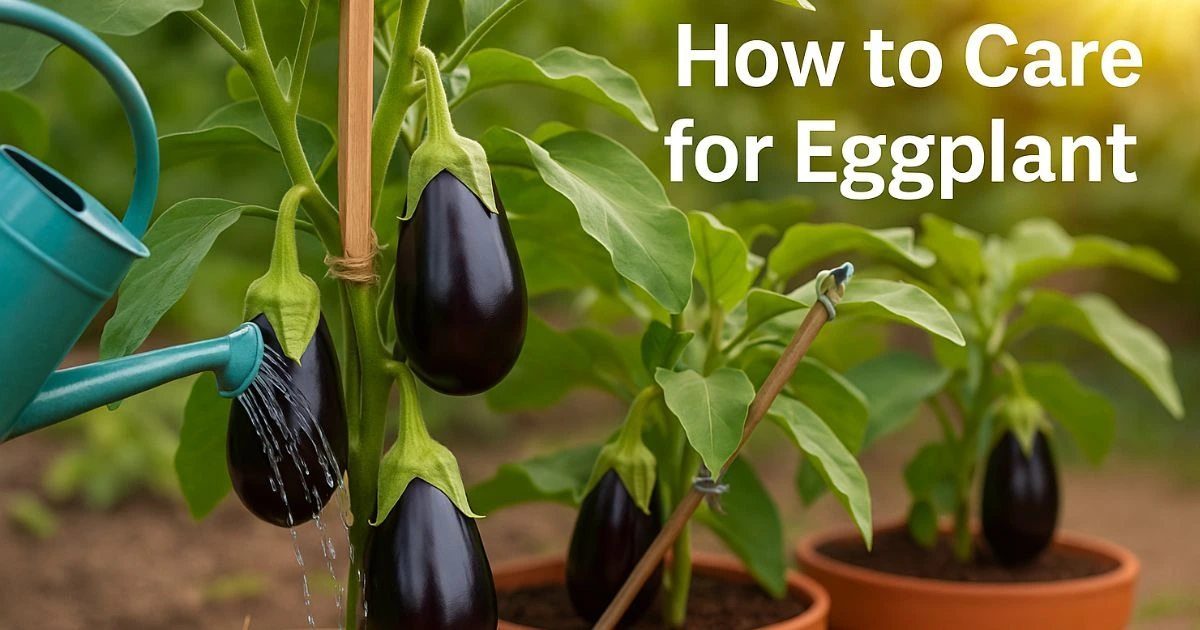
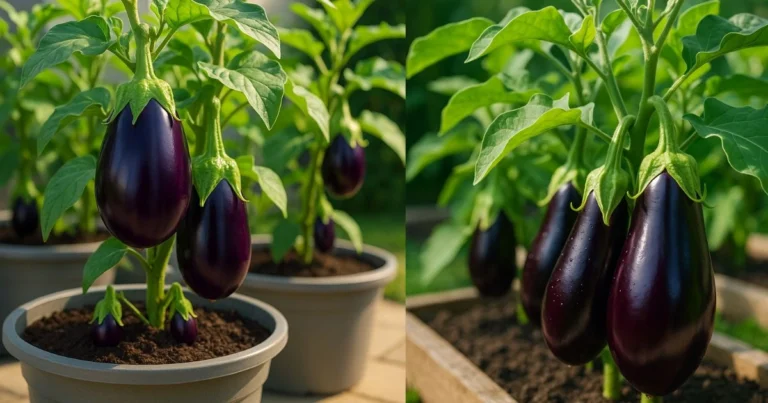
Learning how to care eggplant may seem like a big task at first, especially if you’re new to container gardening. But once you understand the needs of this warm-season vegetable, caring for it becomes a deeply rewarding process. Eggplants are stunning plants — glossy fruits, violet-hued flowers, and broad, vibrant leaves. Watching them grow from a small seedling into a sturdy plant packed with fruit gives you a sense of accomplishment that few garden crops can match.
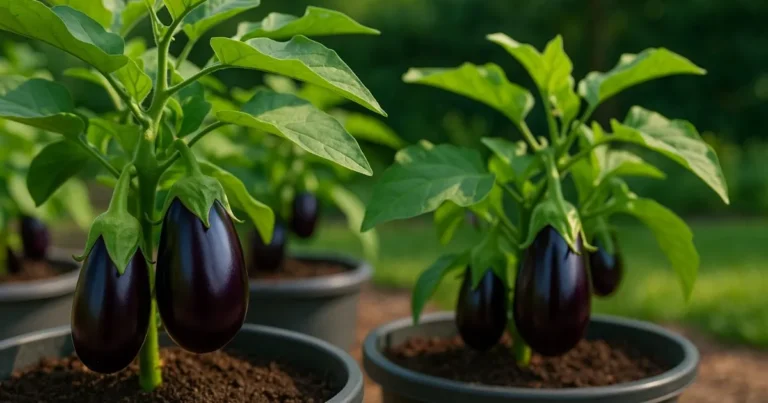
If you’re growing eggplants in containers, you have even more control over their environment than gardeners planting in the ground. You can fine-tune sunlight, soil composition, moisture, spacing, and airflow. Because of this, container gardening often produces healthier and more reliable eggplant harvests. But to reach that point, you need a dependable care routine that addresses everything from watering to pest control.
This guide will walk you through exactly how to care eggplant the right way — from choosing containers and preparing soil to maintaining healthy leaves, supporting stems, preventing pests, and harvesting delicious fruits. Whether you’re gardening on a balcony, patio, small yard, or urban space, you’ll have everything you need to grow thriving eggplants with confidence.
Table of Contents
Understanding Eggplant Needs and Why Container Care Matters
Eggplants grow best in warm, sunny, well-drained conditions. Containers naturally support these needs because they keep the soil warm, allow for excellent drainage, and give you more control over the growing environment.
Why Containers Work Well for Eggplants
When you learn how to care eggplant in containers, you’ll enjoy several advantages:
- Better temperature control
- Fewer soil-borne pests
- Easier monitoring of watering needs
- Increased drainage
- More sunlight flexibility — you can move pots
- Reduced disease risk
These benefits make container gardening ideal for beginners and experienced gardeners alike. If you’re new to container gardening, the University of Minnesota Extension offers helpful guidance:
https://extension.umn.edu/planting-and-growing-guides/containers-and-potting-soils
Basic Eggplant Care Principles
To understand how to care eggplant effectively, focus on five main elements:
- Sunlight: 6–8 hours minimum
- Soil: Loose, nutrient-rich, well-draining
- Water: Consistent moisture without sogginess
- Food: Regular fertilization
- Support: Stakes and pruning for airflow
These components lay the foundation for a strong, productive eggplant plant.
Choosing the Right Container for Healthy Eggplant Plants
The container you choose determines how strong, healthy, and productive your eggplants will be. Since root development is crucial, selecting the right pot size is the first step in learning how to care eggplant properly.
Ideal Container Size
- Minimum pot size: 5 gallons
- Best size: 7–10 gallons
- Depth: 12–14 inches
- Width: enough to allow root expansion
Smaller containers may restrict root growth, resulting in stunted plants and low yields.
Best Pot Types for Eggplants
Different pot types support eggplants in different ways:
- Fabric grow bags: Improve air circulation and reduce root-bound issues
- Plastic pots: Lightweight, retain moisture well
- Ceramic/glazed pots: Excellent insulation, attractive but heavy
Drainage Matters
Proper drainage prevents root rot — a major problem when learning how to care eggplant. Ensure:
- Drainage holes at the bottom
- No standing water in saucers
- Slight elevation to keep air flowing under the pot
Colorado State University Extension explains container drainage well:
https://cmg.extension.colostate.edu
Preparing the Soil — A Key Step in How to Care Eggplant
Healthy soil produces healthy eggplants. When you’re growing eggplants in containers, you control the soil composition, which makes a huge difference.
Ideal Eggplant Soil Mix
A high-quality container soil will:
- Drain well
- Hold enough moisture
- Provide nutrients
- Support root expansion
Use this mix:
- 50% high-quality potting mix
- 25% compost
- 25% perlite or coco coir
- pH level: 5.8–6.5
This blend supports consistent growth and healthy root systems.
For reliable soil preparation guidance, Penn State Extension is a trusted resource:
https://extension.psu.edu/soil-preparation
Fertilizer for Strong Growth
Fertilizing is a key part of learning how to care eggplant. Eggplants are heavy feeders, so you need a consistent feeding schedule:
- Mix slow-release fertilizer into the soil at planting
- Apply liquid fertilizer every 2–3 weeks
- Use nitrogen early for leaf and stem growth
- Use phosphorus and potassium during flowering and fruiting
Organic options include:
- Fish emulsion
- Seaweed extract
- Compost tea
- Worm castings
Watering Your Eggplant Correctly
Watering is one of the most important parts of eggplant care:
- Keep soil evenly moist, not soggy
- Water deeply to reach the full root system
- Allow the top inch of soil to dry before watering again
- Mulch helps retain moisture
Avoid overhead watering to prevent fungus and leaf diseases.
Planting Eggplants Successfully in Containers
Once you choose your container and soil, it’s time to plant. Learning how to care eggplant begins from the very moment you place the seedling in the pot.
Starting Eggplants from Seed
If you prefer starting from seed:
- Start seeds indoors 6–8 weeks before the final frost
- Maintain soil temperature between 70–85°F
- Provide strong light — grow lights or south-facing window
- Harden off seedlings before moving them outdoors
The University of Illinois Extension is a helpful source for seed-starting information:
https://extension.illinois.edu/veggies
Transplanting Eggplants into Containers
When seedlings are ready:
- Plant them at the same depth as in the nursery pot
- Water thoroughly after planting
- Add mulch around the base
- Move containers into full sunlight
Spacing Containers for Healthier Plants
Proper spacing is essential in how to care eggplant:
- Always plant one eggplant per container
- Leave 12–24 inches between containers
- Ensure sunlight can reach all sides of the plant
- Avoid overcrowding to reduce humidity and disease risk
Caring for Eggplants Throughout the Growing Season
This is where you’ll spend most of your time learning how to care eggplant — monitoring water, supporting growth, pruning leaves, and responding quickly to problems.
Supporting and Staking Eggplants
Eggplants often need support because their fruit can weigh down the branches.
- Use bamboo stakes
- Install tomato cages for larger varieties
- Tie branches with soft cloth ties
Staking prevents breakage and improves airflow.
Pruning for Airflow and Strong Growth
Pruning boosts eggplant health:
- Remove bottom leaves touching the soil
- Cut away damaged or yellowing leaves
- Prune crowded areas to create airflow
- Pinch early flowers on small seedlings
Pruning reduces disease risk and strengthens plant structure.
Sunlight Requirements
Eggplants need ample sunlight to produce fruit.
- Provide 6–8 hours of direct sunlight
- Rotate pots weekly to ensure even growth
- Avoid shade from walls or taller plants
Monitoring Plant Health
Look for early signs of stress:
- Drooping leaves
- Wilting in the afternoon
- Yellowing edges
- Slow growth
- Small or misshapen fruit
These symptoms often point to watering or nutrient issues.
Managing Pests and Diseases — A Critical Part of How to Care Eggplant
Eggplants are vulnerable to several pests and diseases. Thankfully, container gardening reduces many issues.
Common Eggplant Pests
Watch for:
- Flea beetles — small bites in leaves
- Aphids — sticky residue, curled leaves
- Whiteflies — tiny flying insects under leaves
- Spider mites — speckled, dusty leaves
Use preventive steps:
- Neem oil
- Insecticidal soap
- Row covers
- Strong water sprays
Rutgers Cooperative Extension provides excellent organic pest control information:
https://njaes.rutgers.edu
Common Eggplant Diseases
Be alert for:
- Verticillium wilt
- Fusarium wilt
- Powdery mildew
- Leaf spot
Prevention is easier than treatment:
- Maintain spacing
- Avoid wetting the leaves
- Remove infected leaves
- Use disease-resistant varieties
Harvesting, Storing, and Using Your Eggplants
Learning how to care eggplant also means knowing when your eggplants are ready to harvest.
When to Harvest Eggplants
Pick eggplants when:
- The skin is glossy
- The fruit feels firm
- Seeds inside are pale
- The fruit bounces back when lightly pressed
Avoid waiting too long, or the fruit becomes bitter.
Storing Eggplant
Eggplants do not store well long-term. To keep them fresh:
- Store at room temperature if using soon
- Refrigerate only for a short time
- Do not wash until ready to cook
- Use within 3–5 days
Simple Eggplant Recipe — Grilled Eggplant Salad
Ingredients Table
| Ingredient | Amount | Notes |
|---|---|---|
| Fresh eggplant slices | 2 cups | Homegrown |
| Olive oil | 2 tbsp | For brushing |
| Garlic | 1 clove | Minced |
| Lemon juice | 1 tbsp | Fresh |
| Chopped herbs | 2 tbsp | Basil or parsley |
| Salt & pepper | To taste | — |
Instructions
- Brush eggplant with oil
- Grill until lightly charred
- Mix lemon juice, garlic, and herbs
- Toss eggplant in dressing
- Serve warm or chilled
FAQs — How to Care Eggplant in Containers
How often should I water eggplants?
Water when the top inch of soil feels dry.
Do eggplants need full sunlight?
Yes — at least 6–8 hours daily.
What fertilizer works best?
Balanced liquid fertilizer every 2–3 weeks.
Can I grow eggplants indoors?
Yes, with grow lights and warm temperatures.
Does container size matter?
Absolutely — eggplants need 5–10 gallons of space per plant.
Conclusion — Start Caring for Your Eggplants with Confidence
Learning how to care eggplant gives you everything you need to grow strong, healthy plants full of delicious fruit. With the right container, soil mix, spacing, sunlight, and care routine, you can grow eggplants successfully in any small space. Container gardening lets you adapt, adjust, and support your plants more easily than traditional ground gardening, making it perfect for beginners and seasoned gardeners alike.
Now that you understand how to care eggplant from seed to harvest, you’re ready to start your own container garden. Pick your favorite variety, prepare your container, and begin the rewarding journey of growing your own vibrant, flavorful eggplants.