7 Essential Steps on How to Grow Rhubarb in Containers Successfully
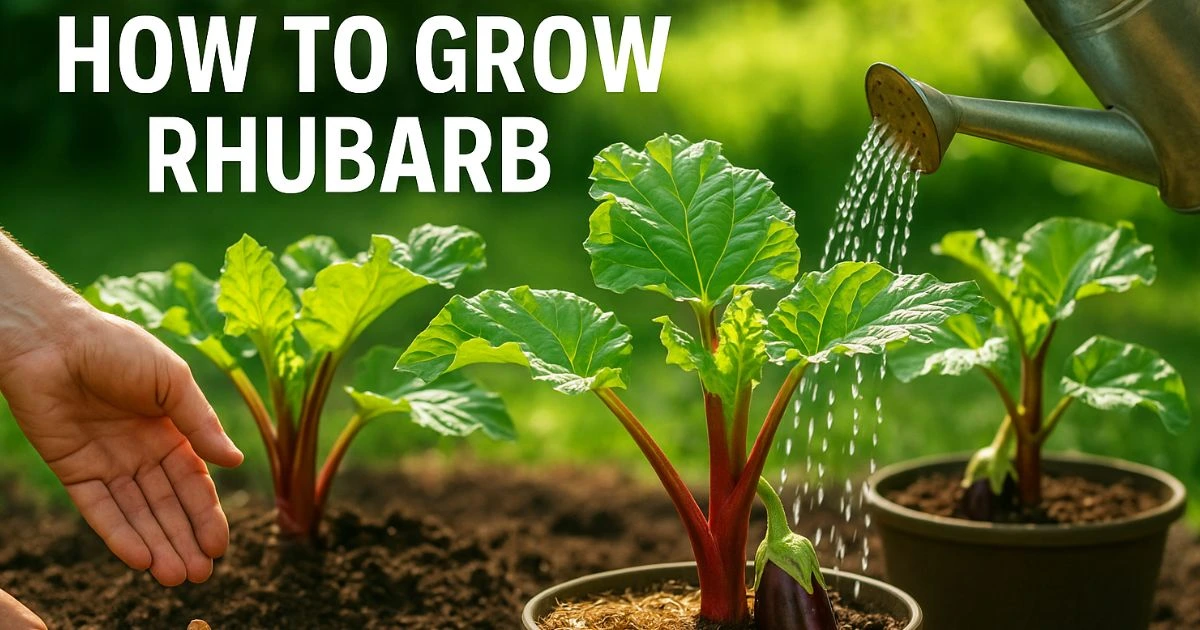
Learning how to grow rhubarb in containers opens the door to fresh, homegrown stalks even if you don’t have a traditional garden. Rhubarb has a bold presence — large crinkled leaves, thick ruby stalks, and a flavor that adds character to pies, sauces, jams, and beverages. If you’ve ever wished you could grow your own patch but felt limited by space, container gardening offers a practical and surprisingly simple solution.
There’s something truly personal about nurturing a perennial like rhubarb. When you plant it, you’re not just growing a vegetable — you’re starting a plant that returns every year. Watching it unfurl each spring gives you a feeling of continuity and reward that few crops can match. Many gardeners remember their first taste of homemade rhubarb pie or a family recipe that used rhubarb from a grandparent’s yard. Growing it yourself brings that sense of tradition right to your patio, balcony, or small-space garden.
This guide walks you through everything you need to know about how to grow rhubarb in containers: choosing the right pot, preparing soil, planting, caring for your plant throughout the year, and finally enjoying your harvest. You’ll also learn the most important mistakes to avoid and the exact steps that lead to healthy, productive rhubarb plants.
By the end, you’ll feel confident, prepared, and ready to start your own container-grown rhubarb — no matter your gardening experience.
Table of Contents
Step 1 — Understand Why Rhubarb Grows So Well in Containers
Even though rhubarb naturally grows as a large perennial vegetable, it adapts extremely well to container gardening when its basic needs are met. Understanding these needs helps you master how to grow rhubarb with fewer problems.
Understanding Rhubarb’s Natural Growth Pattern
Rhubarb is a cool-season perennial that thrives in moderate climates. Here’s what it prefers:
- Cool winters for dormancy
- Moist, fertile soil
- Good drainage
- Plenty of root space
- Consistent sunlight
Even though rhubarb develops a large root system, containers provide benefits that ground-grown plants don’t always get.
Why Containers Are Ideal for Growing Rhubarb
When you grow rhubarb in containers, you control the most important parts of its environment:
- Soil quality — You decide the soil mix
- Drainage — Essential for preventing crown rot
- Temperature — Containers warm more quickly in spring
- Mobility — Move your rhubarb for sunlight or winter protection
- Pest control — Container-grown rhubarb faces fewer ground pests
For a general foundation on container gardening methods, see this resource from the University of Minnesota Extension:
https://extension.umn.edu/planting-and-growing-guides/containers-and-potting-soils
Step 2 — Choose the Right Container for Rhubarb
If you’re learning how to grow rhubarb, selecting the proper container is one of the most important steps. Rhubarb needs space for a deep and wide root system.
Ideal Pot Size for Rhubarb
To grow rhubarb successfully, choose:
- 10–15 gallon containers (larger is better)
- Minimum 18 inches deep
- At least 18–20 inches wide
The root system expands horizontally as much as vertically, so width matters just as much as depth.
Best Materials for Rhubarb Containers
Different container materials work well, but each has pros and cons:
- Fabric grow bags — Lightweight, breathable, prevent overwatering
- Plastic pots — Good moisture retention, affordable
- Wooden planters — Attractive, stable temperature, long-lasting
- Ceramic or glazed pots — Excellent insulation, but heavy
Drainage Requirements
Rhubarb does not tolerate soggy soil. Ensure your pot has:
- Several drainage holes
- A raised base or pot feet
- Loose, well-draining soil
For more detail on drainage techniques, Colorado State University Extension explains it here:
https://cmg.extension.colostate.edu
Step 3 — Prepare the Best Soil Mix for Rhubarb
Soil is one of your biggest advantages when learning how to grow rhubarb in containers. You can create the ideal mix for vigorous stalk and leaf growth.
Recommended Soil Mix for Rhubarb
Use a blend that is:
- Rich
- Moist
- Airy
- Well-draining
The best mix includes:
- 50% high-quality potting soil
- 30% compost
- 20% perlite or coarse sand
Soil pH
Rhubarb grows best in slightly acidic soil:
- pH: 6.0–6.8
If you want a basic soil preparation guide, Penn State Extension offers detailed soil management tips:
https://extension.psu.edu/soil-preparation
Fertilizing the Soil
At planting time, incorporate:
- Slow-release organic fertilizer
- Well-aged compost
- Worm castings (optional but helpful)
Avoid excess nitrogen, which encourages huge leaves but weak stalks.
Step 4 — Plant Rhubarb Crowns or Seeds Correctly
Rhubarb can be grown from crowns (most common) or seeds (requires patience). Both methods work in containers.
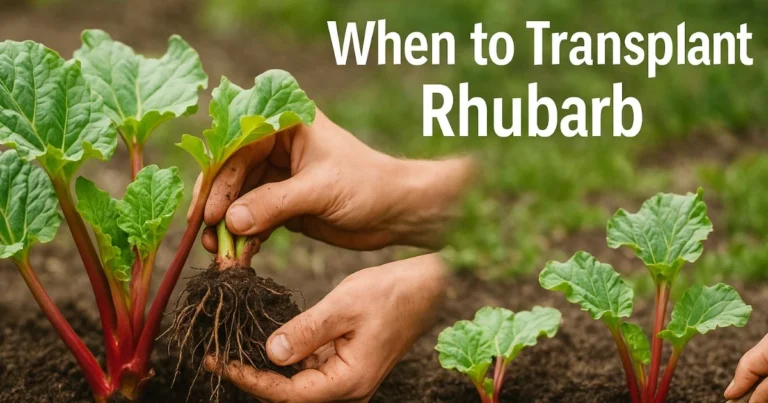
Planting Rhubarb Crowns
Crowns are small root systems with buds attached. They produce much faster results.
Steps for planting crowns:
- Fill your container halfway with soil.
- Place the crown with the bud facing up.
- Cover with 1–2 inches of soil.
- Water thoroughly.
- Add more soil if settling occurs.
Never bury the crown too deep — it increases the risk of rot.
Growing Rhubarb from Seed
If you’re patient, seeds give you access to unique varieties.
- Start indoors early in spring
- Maintain warm conditions (65–70°F)
- Transplant once seedlings have 3–4 true leaves
- Expect 2–3 years before harvesting
For seed-starting advice, this University of Illinois resource is helpful:
https://extension.illinois.edu/veggies
Sunlight Requirements
Rhubarb loves sunlight:
- Full sun (6+ hours/day)
- Partial shade acceptable in hot climates
- Avoid placing pots in dark corners or near heat-reflective walls
Step 5 — How to Care for Rhubarb in Containers Throughout the Season
Rhubarb is low-maintenance, but consistency is important. Knowing how to grow rhubarb means paying attention to watering, feeding, and protecting the plant.
Watering Your Rhubarb
Watering is one of the most important parts of rhubarb care.
- Keep soil evenly moist
- Never let it dry completely
- Avoid constant sogginess
- Mulch helps retain moisture
A simple rule: water when the top inch of soil is dry.
Fertilizing Routine
Because rhubarb is a heavy feeder, adopt this schedule:
- Early spring: Apply compost or slow-release fertilizer
- Mid-summer: Add compost around the plant
- Fall: Avoid fertilizing as the plant prepares for dormancy
Mulching Around Rhubarb
Mulch offers several benefits:
- Maintains moisture
- Prevents weeds
- Regulates soil temperature
Use straw, shredded leaves, or wood chips around the base of the plant.
Pruning and Flower Removal
Rhubarb sometimes grows flower stalks. Always remove them immediately.
Why?
- They draw energy away from stalk production
- They reduce overall yields
- They can stress young plants
Gently trim yellow or damaged leaves throughout the season.
Supporting the Plant
Most rhubarb varieties do not need staking, but older plants may produce heavy stalks. Support if necessary to keep stalks from bending.
Step 6 — Prevent Pests and Diseases Naturally
Rhubarb is generally hardy, but certain issues can develop in containers.
Common Pests
Watch for:
- Aphids
- Slugs
- Snails
- Rhubarb curculio
Control methods:
- Hand-picking pests
- Using neem oil
- Applying insecticidal soap
- Removing debris from soil surface
Common Diseases
Diseases include:
- Crown rot
- Leaf spot
- Powdery mildew
- Downy mildew
Prevention tips:
- Do not overwater
- Ensure good drainage
- Remove diseased leaves
- Improve airflow
For organic pest control guidance, Rutgers Cooperative Extension provides updated resources:
https://njaes.rutgers.edu
Step 7 — Harvesting and Using Your Rhubarb
Learning how to grow rhubarb also means knowing when and how to harvest responsibly.
When to Harvest Rhubarb
Important rules:
- Year 1: Do NOT harvest — let roots establish
- Year 2: Light harvest only
- Year 3+: Full harvest window opens
Harvest in spring and early summer while stalks are thick and firm.
Harvesting Technique
Always pull stalks — never cut them.
- Grip the stalk firmly at the base
- Pull sideways and upward
- Remove any attached leaf immediately (leaves are toxic)
Storing Fresh Rhubarb
Rhubarb stores well:
- Refrigerate for 5–7 days
- Freeze for up to 1 year
- Store chopped stalks in airtight bags
Bonus Recipe — Homemade Rhubarb Compote
Ingredients
| Ingredient | Amount | Notes |
|---|---|---|
| Rhubarb stalks | 3 cups | Fresh, chopped |
| Sugar or honey | ½ cup | Adjust to taste |
| Lemon juice | 1 tbsp | Fresh |
| Water | 2 tbsp | Helps soften rhubarb |
| Vanilla | ½ tsp | Optional |
Instructions
- Add rhubarb, water, and sugar to a saucepan.
- Bring to a simmer.
- Cook 10–15 minutes until soft.
- Add lemon juice and vanilla.
- Serve warm or chilled.
Perfect on yogurt, toast, oatmeal, or ice cream.
FAQs — How to Grow Rhubarb in Containers
How much sun does rhubarb need?
Rhubarb grows best with at least 6 hours of sunlight daily.
Can rhubarb grow in warm climates?
Yes, but partial afternoon shade helps prevent heat stress.
How often should I water container rhubarb?
Water when the top inch of soil feels dry.
Is rhubarb safe to eat?
Yes — stalks only. Rhubarb leaves are toxic and should never be consumed.
When can I start harvesting?
Lightly in year two; fully in year three and beyond.
Conclusion — Start Growing Rhubarb With Confidence
Growing rhubarb in containers gives you the freedom to enjoy a perennial vegetable even when your gardening space is small. Once you understand how to grow rhubarb, you’ll find that the plant is forgiving, productive, and extremely rewarding. The right container, soil mix, sunlight, and care routine will help you nurture a healthy plant that returns year after year. Whether you’re building a balcony garden, patio food garden, or urban mini-farm, container-grown rhubarb can become one of your most dependable and enjoyable crops.
Start planting now, give your rhubarb consistent care, and look forward to years of fresh stalks to use in all your favorite recipes.