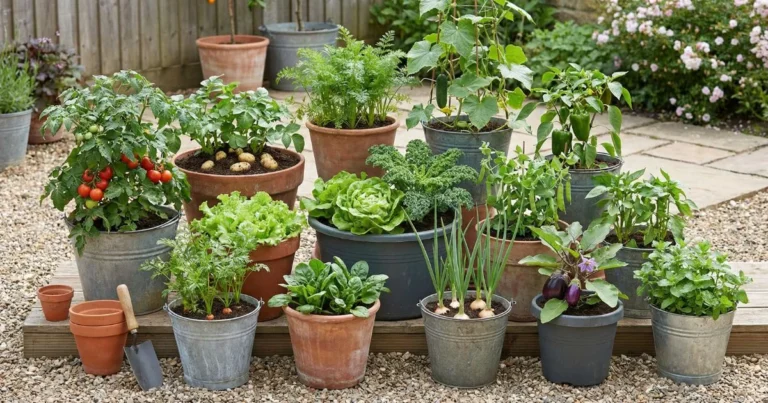
7 Essential Tips for Knowing When to Transplant Rhubarb (Complete Rhubarb Container Gardening Guide)
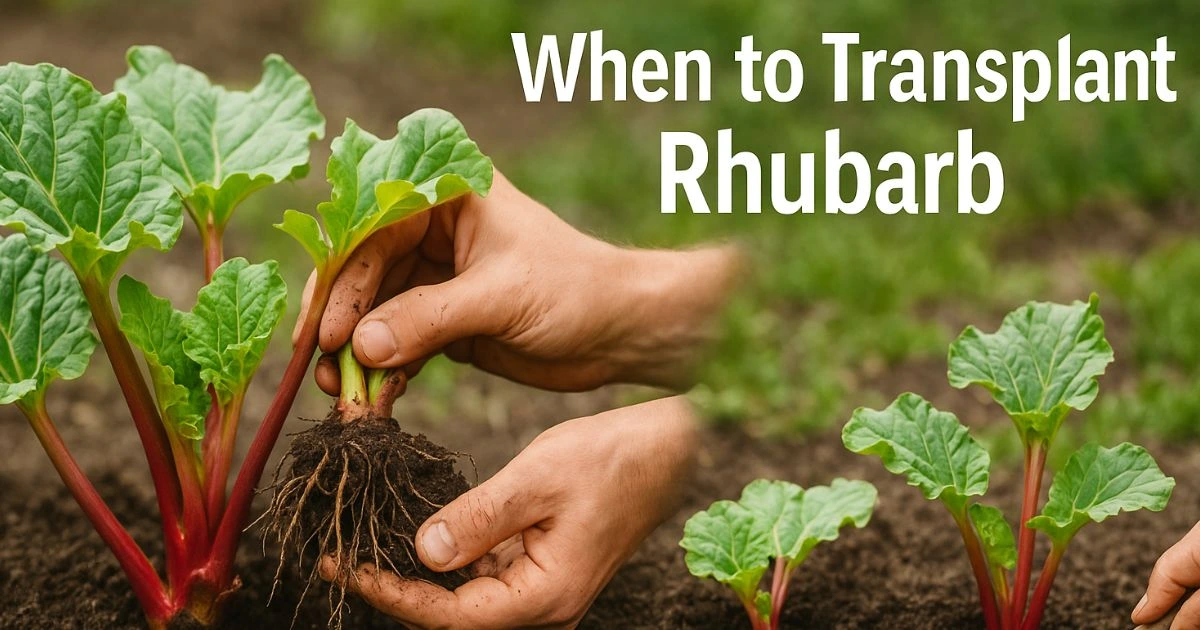
When to Transplant Rhubarb — Why Timing Matters More Than You Think
When you’re trying to understand when to transplant rhubarb, you’re really trying to understand the life rhythm of a plant that behaves differently from almost anything else in your garden. Rhubarb isn’t annual. It isn’t delicate. But it is stubbornly attached to its seasonal cycle—and that cycle is what determines exactly when to transplant rhubarb without weakening the plant.
If you’ve ever moved a rhubarb crown in the wrong season, you already know how quickly it reacts. Years ago, I transplanted a mature crown during a hot July weekend. Within 24 hours, the thick red stalks collapsed, the leaves sagged like wet paper, and I realized I had disrupted the plant exactly when it needed stability. That moment changed the way I gardened forever.
Understanding when to transplant rhubarb is more than simple timing. It’s about reading your plant, respecting its cycle, and helping it adapt—especially when you’re working in containers where stress happens faster. If you want a healthier, stronger, more productive plant, mastering the right transplant timing is the very first step.
Table of Contents
What Makes Rhubarb Unique & Why Transplant Timing Is Critical
One of the biggest reasons gardeners search for when to transplant rhubarb is because this perennial is unlike most vegetables. Its growth comes from a thick, heavy crown that relies on cold dormancy and seasonal rest.
Rhubarb’s Seasonal Cycle
Understanding this cycle is essential for knowing when to transplant rhubarb safely:
- Spring: New stalks form; plant uses stored energy
- Summer: Peak growth + root strengthening
- Fall: Energy shifts downward; plant prepares for rest
- Winter: Full dormancy
You can see why experts advise waiting for these rest periods. Moving rhubarb during active growth is like waking someone from a deep sleep—technically possible, but unnecessarily stressful.
University of Minnesota Extension supports these transplant windows:
👉 https://extension.umn.edu/vegetables/growing-rhubarb
Signs Your Rhubarb Needs Transplanting (Container or Ground)
Even when you know the best timeframe for when to transplant rhubarb, you still need to know why your plant needs it.
Clear Signs It’s Time
Your rhubarb may need moving when you notice:
- Crowded buds on the crown
- Thin, spindly stalks
- Reduced production compared to previous years
- Root-bound container conditions
- Crown age of 3–5 years
Most gardeners don’t realize how fast rhubarb multiplies. A single crown can triple in size within a few years, making it vital to divide or relocate.
Best Time of Year for Transplanting Rhubarb in Containers
Let’s talk about the real reason you’re here: when to transplant rhubarb based on season.
Fall Transplanting
Fall is one of the safest times for transplanting because:
- Rhubarb is entering dormancy
- Soil is cool and moist
- Temperature swings are smaller
- Roots can settle before winter
If you garden in cold climates, fall will often be the best answer for when to transplant rhubarb.
Early Spring Transplanting
Spring is equally effective, especially for container gardeners. You get:
- Visible buds
- Looser soil
- Easy crown division
- Fast recovery as growth begins
When you plant before leaves emerge, stress remains minimal.
Times to Avoid
- Summer heat
- Harvest season
- Drought conditions
- Waterlogged soil
Oregon State Extension reinforces seasonal guidance:
👉 https://extension.oregonstate.edu/catalog/pub/em9226
How to Transplant Rhubarb Step-by-Step (Container Gardening Focus)
Knowing when to transplant rhubarb sets the stage. Now you need to transplant correctly so your plant recovers quickly.
Prepare the New Container
Container Size
- 20–24 inches deep
- 5–10 gallons minimum
- Must have good drainage
- Fabric pots are ideal
Soil Mix
Rhubarb thrives in loose, rich soil. For precise pH instructions, see Clemson’s soil testing guide:
👉 https://hgic.clemson.edu/factsheet/soil-testing/
Best Soil Mixture
- Quality potting soil
- Compost
- Aged manure
- Perlite
pH 6.0–6.8 works best.
Removing & Dividing the Crown
When you’re learning when to transplant rhubarb, you’ll also want to know when to divide it—which often happens at the same time.
Division Steps
- Remove the crown gently.
- Shake off excess soil.
- Slice through crown with a clean tool.
- Keep 1–3 eyes (buds) per division.
- Discard rotten roots.
Dividing older crowns encourages fresh, vigorous growth.
Replanting & Aftercare
Planting Steps
- Place the crown slightly off-center.
- Keep eyes 1–2 inches below soil.
- Backfill gently.
- Water deeply.
- Mulch lightly.
Aftercare Tips
- Keep your pot in partial shade for 1–2 weeks.
- Water lightly but consistently.
- Avoid fertilizing for about a month.
For general container gardening guidance, see the University of Illinois Extension:
👉 https://extension.illinois.edu/gardening/container-gardening
Common Mistakes When Transplanting Rhubarb & How to Avoid Them
Even if you know when to transplant rhubarb, things can still go wrong if you make common mistakes.
Mistakes to Avoid
- Planting the crown too deep
- Overwatering during recovery
- Transplanting in full sun
- Using compacted or clay soil
- Dividing too aggressively
How to Fix Stress
If your rhubarb droops after transplanting:
- Move it to partial shade
- Allow soil to dry slightly
- Improve drainage
- Remove damaged stalks carefully
Long-Term Care After Transplanting Rhubarb
You’ve learned when to transplant rhubarb and how to transplant it properly. Now you need to care for it long-term.
Watering
- Water deeply once or twice per week
- Avoid soggy soil around the crown
Fertilizing
- Spring: balanced fertilizer
- Monthly: compost tea
- Annually: top-dress with compost
Container Maintenance
- Refresh the top 2 inches of soil yearly
- Re-mulch as needed
- Watch for root-bound symptoms
Harvesting Rhubarb After Transplanting
When you understand when to transplant rhubarb, you’ll also understand when not to harvest.
Harvest Timing
- Year 1: Don’t harvest
- Year 2: Light harvest
- Year 3+: Enjoy full harvest
Safe Harvest Technique
- Twist and pull at the base
- Never cut
- Remove leaves—they’re toxic
For rhubarb leaf toxicity info:
👉 https://pubchem.ncbi.nlm.nih.gov/compound/Rhubarb
Simple Rhubarb Recipe (With Ingredient Table)
Rhubarb Crisp Recipe
Ingredients Table
| Ingredient | Amount | Notes |
|---|---|---|
| Chopped rhubarb | 4 cups | Fresh or frozen |
| Flour | 1 cup | For crisp topping |
| Oats | ½ cup | For texture |
| Sugar | ¾ cup | Adjust as desired |
| Butter | ½ cup | Melted |
| Lemon juice | 2 tbsp | Brightens flavor |
| Cinnamon | 1 tbsp | Optional |
Instructions
- Combine fruit + sugar.
- Mix topping.
- Bake at 375°F until golden.
FAQ About When to Transplant Rhubarb
When to transplant rhubarb for best results?
Late fall or early spring.
Can you transplant rhubarb in summer?
No—heat causes severe stress.
How soon can you harvest after transplanting?
Wait one full season.
Do potted rhubarb plants need more frequent transplanting?
Yes, pots restrict root growth.
Conclusion — Your Rhubarb Transplant Journey Starts Here
Now you understand exactly when to transplant rhubarb, how to move it without causing shock, and how to care for it afterward. Getting the timing right makes the biggest difference in productivity and plant health.