21 Cutting Flowers Garden Tips Every Beginner Should Know (Complete Guide)
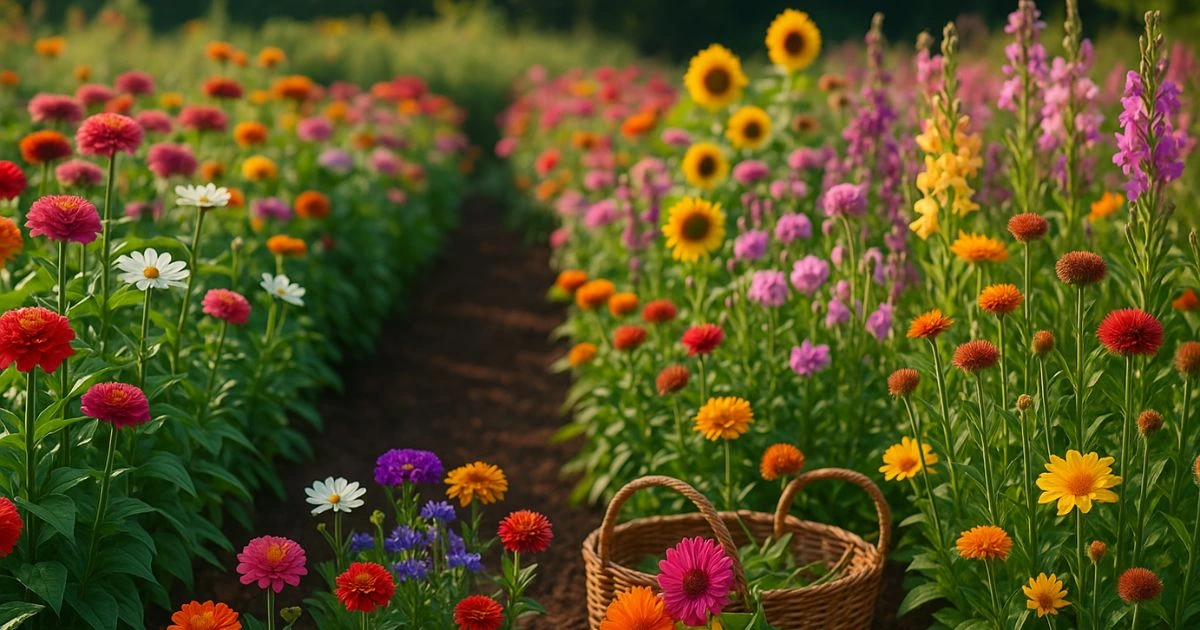
There’s something unforgettable about walking outside early in the morning, feeling the cool air before the sun fully rises, and seeing blooms you grew yourself swaying gently in the light. Maybe you’ve imagined clipping a few stems, bringing them indoors, and placing them into a vase on your kitchen table. Maybe you’ve felt that quick spark of joy when a flower finally opens after days of growth.
Starting your own cutting flowers garden isn’t just about gardening — it’s about creating moments like these. For many beginners, the idea feels exciting but overwhelming. You might wonder where to start, what to plant, or how to make your flowers last longer after cutting them. The good news? You can build a cutting garden that feels effortless, rewarding, and full of beauty, even if you’ve never planted a single seed before.
This guide will walk you step-by-step through choosing flowers, planning your layout, preparing your soil, planting, watering, harvesting, pest care, and keeping everything thriving — all in a way that feels clear, simple, and doable.
Let’s build your first cutting garden together.
Table of Contents
Understanding the Basics of a Cutting Flowers Garden
Why Cutting Gardens Are Perfect for Beginners
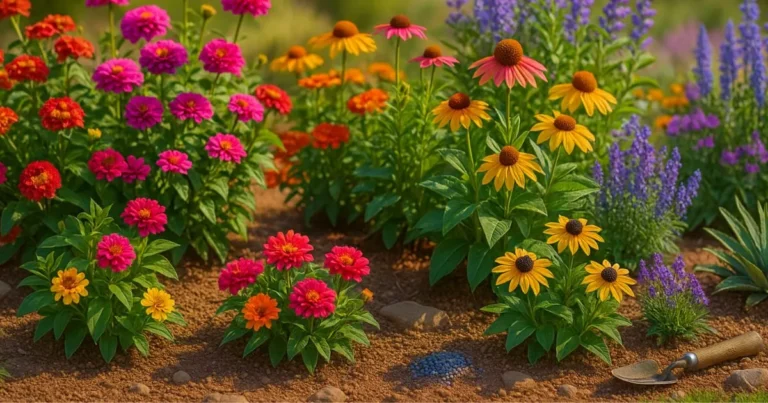
A cutting flowers garden is a space created specifically for growing flowers you can clip and bring indoors. Unlike decorative flower beds designed for visual display, a cutting garden focuses on long stems, heavy bloom production, and fast regrowth.
Why Cutting Gardens Work So Well for Beginners
- You see quick rewards
- Many cutting flowers are extremely forgiving
- Blooms encourage more blooms
- Layout is simple (rows, blocks, or raised beds)
- You don’t need expensive tools
- You learn the rhythm of gardening naturally
Choosing the Best Location
A great cutting flowers garden always starts with a great spot.
Look for:
- 6–8 hours of direct sunlight
- Easy access to water
- Soil that drains well
- Space to walk between rows
Check Your USDA Zone
Knowing your growing zone helps you choose flowers that thrive in your climate.
🔗 https://planthardiness.ars.usda.gov/
Best Flowers for a Beginner Cutting Flowers Garden
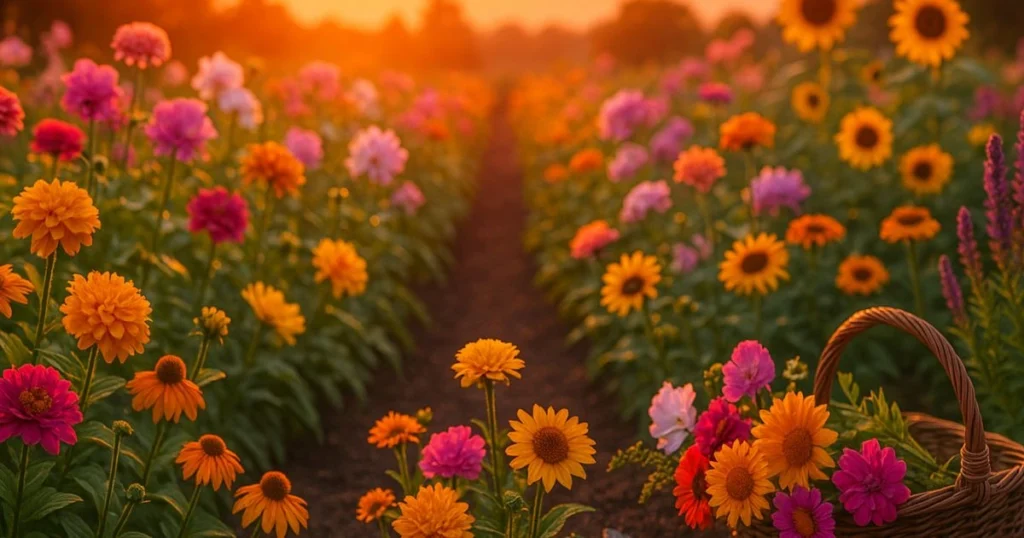
Flowers That Bloom Easily and Regrow Quickly
Choosing beginner-friendly flowers is the key to building confidence in your cutting garden.
Easy Annual Flowers for Cutting (Beginner Friendly)
Annuals are ideal for beginners because they grow fast, bloom heavily, and offer steady color.
1. Zinnias
Perfect for your first cutting flowers garden — fast growth, large blooms, long stems.
2. Cosmos
Airy, delicate, and perfect for casual bouquets.
3. Sunflowers
Beautiful focal flowers that bring height and drama.
4. Snapdragons
Add texture, fragrance, and eye-catching color.
5. Marigolds
Bright, cheerful, and excellent for pest resistance.
Why these work for beginners:
They germinate easily, bloom all summer, and reward you with constant color.
Beginner-Friendly Perennials for Cutting
Perennials return year after year, making them a great investment.
6. Coneflowers
Tough, heat-loving, and long-lasting in vases.
7. Shasta Daisies
Pure white petals that brighten any bouquet.
8. Black-Eyed Susans
Bold golden petals and sturdy stems.
9. Yarrow
Long-lasting clusters perfect for fresh or dried arrangements.
10. Coreopsis
Cheerful yellow flowers that bloom nonstop.
Fragrant Flowers for Bouquets
Adding fragrance elevates every bouquet.
11. Sweet Peas
Soft scent, perfect for early morning harvesting.
12. Lavender
Aromatic and ideal for drying.
13. Stock
Dense clusters with incredible scent.
14. Dianthus
Lightly spiced fragrance.
15. Freesia
A favorite in floristry for sweet, bright fragrance.
Planning Your Cutting Flowers Garden Layout
How to Design a Garden That’s Easy to Use and Easy to Harvest
The layout of your cutting flowers garden matters more than you think. It affects harvest speed, growth, and even flower production.
Choose a Location That Encourages Growth
Look for:
- Full sunlight
- Slightly elevated soil
- Room to walk
- Good air circulation
Layout Tips for Beginners
H4: Use These Simple Design Principles
- Place tall flowers (sunflowers, snapdragons) in the back or center
- Put medium-height flowers (zinnias, coneflowers) in the middle
- Plant low growers (marigolds, dianthus) in the front
- Plant in rows or blocks to make harvesting easier
- Space plants generously to avoid disease
Preparing Soil for Healthy Blooms
Great Soil = Great Flowers
Healthy soil is the foundation of your cutting flowers garden.
Ideal Soil Conditions
- Loamy
- Well-draining
- Rich in organic matter
- pH between 6.0–7.0
How to Improve Soil Structure
- Add compost
- Mix in aged manure
- Loosen compacted soil
- Add perlite or sand if needed
- Use mulch to hold moisture
Soil Testing for Beginners
A soil test tells you what nutrients you’re missing.
🔗 https://www.extension.org/
Planting Tips for a Successful Cutting Flowers Garden
Give Your Flowers the Best Possible Start
Planting properly helps your flowers grow tall stems and heavy blooms — essential for cutting gardens.
Step-by-Step Planting Guide
- Prepare soil with compost
- Draw planting lines with string or stakes
- Dig shallow trenches or holes
- Water holes before planting
- Plant seeds or transplants at the correct depth
- Add mulch to regulate temperature
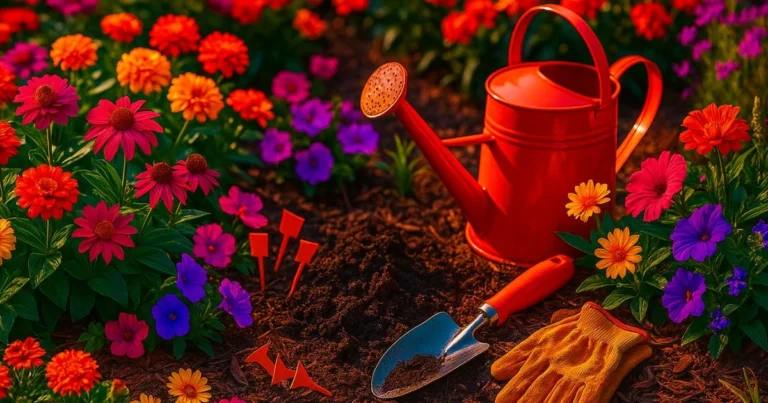
- Place markers so you remember what you planted
Seeds vs Transplants: Which Should You Choose?
H4: Comparison Table
| Option | Pros | Cons |
|---|---|---|
| Seeds | Cheap, lots of variety | Slower start, require thinning |
| Transplants | Faster blooms, easier for beginners | More expensive |
Watering Strategies for Beginner Gardeners
How to Water Without Overthinking It
Your cutting flowers garden needs consistent moisture, especially during summer.
Best Watering Habits
- Water early in the morning
- Water the soil, not the leaves
- Use deep, infrequent watering to build strong roots
- Mulch to prevent evaporation
How to Check Soil Moisture
Stick your finger 2–3 inches into the soil. If it’s dry, water.
Signs of Overwatering
- Yellow leaves
- Mushy stems
- Soil with a sour smell
DIY Fertilizer Recipe for Bigger, Brighter Blooms
Simple Homemade Mix for Your Flower Beds
Use this recipe monthly for strong stems and vibrant color.
Cutting Garden Fertilizer Table
| Ingredient | Amount | Purpose |
|---|---|---|
| Compost | 3 cups | Nutrients + improved soil structure |
| Bone Meal | 1 cup | Better root growth |
| Epsom Salt | 1 tbsp | Enhances bloom color |
| Fish Emulsion | 2 tbsp | Boosts nitrogen |
| Slow-Release Fertilizer | ½ cup | Steady nutrition |
How to Apply
- Mix ingredients in a bucket
- Sprinkle around plant bases
- Water thoroughly
- Avoid fertilizing on extremely hot days
Natural Pest Control for Your Cutting Flowers Garden
Keep Your Blooms Safe Without Harsh Chemicals
Even the strongest flowers can run into pest problems during the growing season. Instead of using harsh treatments, you can rely on natural, beginner-friendly methods to protect your cutting flowers garden.
Common Pests You Might See
- Aphids
- Thrips
- Spider mites
- Japanese beetles
- Caterpillars
- Whiteflies
These pests show up most often in warm, dry weather or on stressed plants.
Beginner-Friendly Ways to Stop Pests Naturally
✔ Neem Oil
An organic oil that prevents most soft-bodied insects from feeding.
✔ Insecticidal Soap
Gentle on plants yet effective against aphids and mites.
✔ Ladybugs & Lacewings
You can buy these beneficial insects to naturally reduce pests.
✔ Mulching & Healthy Soil
Healthy soil produces healthier flowers, which resist pests better.
✔ Hand Removal
For beetles, caterpillars, or other large pests that you can easily see.
If you want expert, evidence-based pest advice:
🔗 UF/IFAS Gardening Solutions → https://gardeningsolutions.ifas.ufl.edu/
Harvesting Tips for Your Cutting Flowers Garden
How to Get Long Stems, Long Vase Life, and More Blooms
Harvesting your flowers correctly encourages more growth and longer-lasting arrangements.
Best Time to Harvest Flowers
- Early morning is ideal
- Early evening also works
- Midday cutting is not recommended because heat stresses stems
How to Cut Flowers for the Best Results
- Use clean, sharp scissors or pruners
- Cut stems at a slight angle
- Choose flowers right before they fully open
- Remove any leaves that would sit below water line
Extend Vase Life with Simple Tricks
Make Your Flowers Last Longer Indoors
Vase Life Care Table
| Tip | Purpose |
|---|---|
| Change water daily | Reduces bacterial buildup |
| Use clean vases | Prevents contamination |
| Cut stems under water | Improves hydration |
| Keep away from heat/sun | Prevents wilting |
| Add floral preservative | Extends freshness |
These small habits add days to your bouquets.
Maintaining Your Cutting Flowers Garden
Daily, Weekly, and Seasonal Care for Beginners
Even with minimal experience, you can keep your cutting garden thriving by following a simple maintenance routine.
Weekly Garden Tasks
- Remove faded blooms to encourage fresh ones
- Inspect leaves for insects or disease
- Refresh mulch if needed
- Water deeply if rainfall is low
Monthly Garden Tasks
- Apply light fertilizer
- Add compost around plants
- Trim back tall or leggy stems
- Replant short-lived annuals if needed
Seasonal Garden Tasks
- Divide perennials to promote stronger growth
- Clean up debris to prevent disease
- Replace fading annuals
- Prep beds for cooler or hotter weather
With these steps, your cutting flowers garden stays productive year-round.
Conclusion
Creating your own cutting flowers garden is far more than a gardening project — it’s an experience that brings beauty into your daily life. When you step outside and see blooms you nurtured from seed or transplant, it creates a sense of accomplishment that grows with each season.
By choosing the right beginner-friendly flowers, preparing healthy soil, watering with intention, and giving your plants simple maintenance, you set yourself up for a summer (and future years) filled with color, fragrance, and fresh bouquets.
And as you gain confidence, your cutting garden becomes more than rows of plants — it becomes a personal retreat, a creative outlet, and a space that grows with you.
FAQ: Cutting Flowers Garden for Beginners
What flowers are best for a beginner cutting flowers garden?
Zinnias, cosmos, sunflowers, and coneflowers are some of the easiest to grow.
How much sunlight does a cutting flowers garden need?
Most cutting flowers thrive with 6–8 hours of direct sunlight.
Is it better to start flowers from seeds or transplants?
Both work well. Seeds are cheaper and offer more variety; transplants are faster and easier for beginners.
How often should I water my cutting flowers garden?
Water deeply 2–3 times weekly, depending on heat and soil conditions.
When is the best time to cut flowers?
Harvest early morning or late evening for the longest vase life.
How do I make cut flowers last longer?
Use clean vases, change water daily, trim stems at an angle, and keep arrangements out of direct sunlight.
What tools do I need to maintain my cutting flowers garden?
Sharp shears, gloves, compost, watering tools, and plant markers.