Herb Planters: A Beginner’s Guide to Growing Fresh Flavor Anywhere
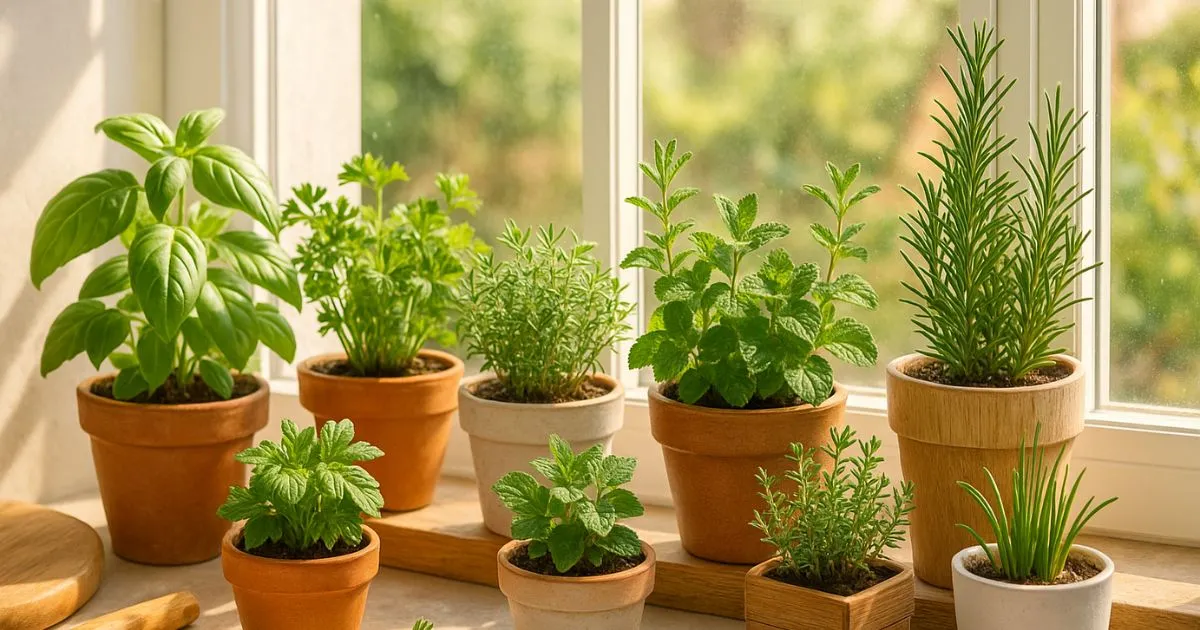
There’s something deeply satisfying about stepping outside—or even just walking across your kitchen—and clipping a few sprigs of basil, rosemary, or mint that you grew. The fragrance hits you before you even bring the scissors close. It’s earthy, bright, and clean, and it instantly makes you feel more connected to the food you create.
Maybe you’ve admired someone else’s herb garden and wondered how they keep everything so lush. Maybe you’ve bought herbs from the grocery store only to watch them wilt in your fridge before you have a chance to use them. Or maybe you simply want to bring more life, flavor, and freshness into your daily routine.
The truth is, you don’t need a big yard or years of gardening experience to grow herbs successfully. Herb planters make everything simple, flexible, and incredibly rewarding. Whether you have a sunny balcony, a small patio, or just a windowsill, you can build a thriving herb garden that stays with you year-round.
This guide will walk you through every step—from choosing the right planters, to picking the best herbs, to keeping everything alive and flavorful with minimal effort.
Let’s build your first herb garden together.
Table of Contents
Why Herb Planters Are Perfect for Beginners
Starting with herb planters gives you several advantages that make gardening easier, especially if you’re new to it.
You Control the Soil
One of the biggest beginner mistakes is planting herbs in poor soil. With planters, you decide the soil quality, drainage, and nutrients—meaning healthier plants and better flavor.
Perfect for Small Spaces
Herbs don’t demand wide open beds. They thrive in:
- Balcony corners
- Kitchen windows
- Porch railings
- Small patios
- Even indoor shelving
A few planters are all you need to start growing.
Easier Pest Prevention
Raised containers naturally reduce many common pests. You’ll still want to stay observant, but your herbs won’t be as exposed as they would be in the ground.
Full Mobility
If your herbs need more sunlight or shade, you can simply move the planters. You’re not tied to one location.
Simpler Watering
Planters make it easier to monitor soil moisture and prevent overwatering.
For extra support with container gardening basics, this resource offers excellent beginner-friendly guidance:
🔗 https://www.extension.org/
Choosing the Best Herb Planters for Your Space
Selecting the right planter is more important than most beginners realize. Different materials affect moisture, drainage, and root comfort. The right herb planter can set you up for easier success.
Terracotta Herb Planters
Terracotta is a classic for a reason.
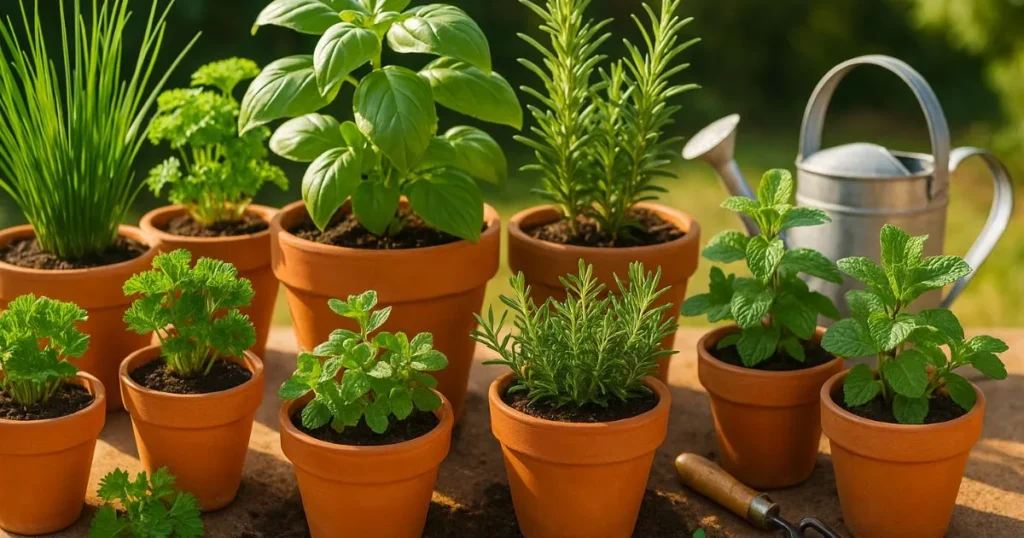
Why Terracotta Works Well
- Great airflow
- Natural drainage
- Ideal for Mediterranean herbs like thyme and rosemary
Things to Watch For
- Dries out quickly
- Needs frequent watering during hot weather
Ceramic Herb Pots
If you love beautiful, decorative containers, ceramic might be your favorite.
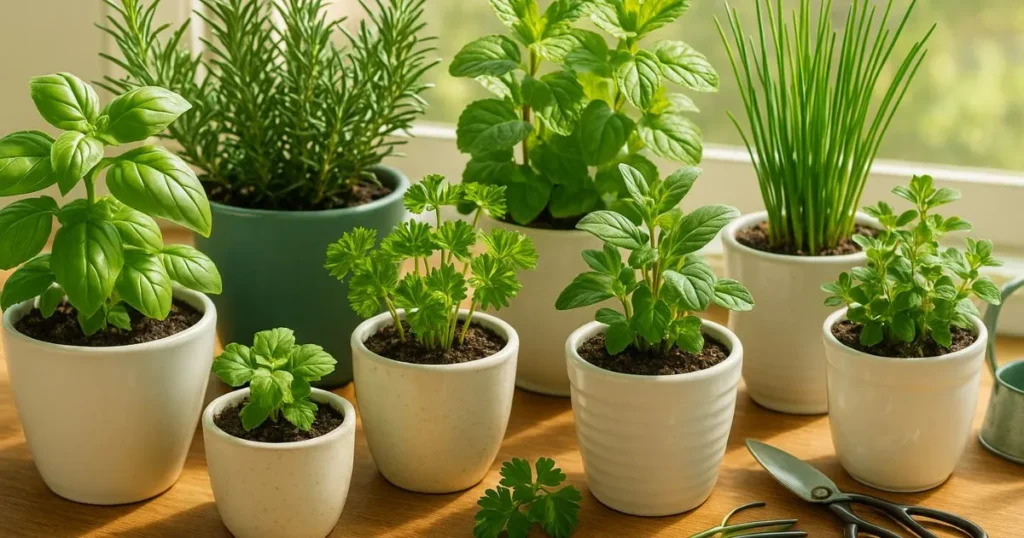
Benefits of Ceramic
- Heavy, less likely to tip over
- Helps moderate soil temperature
- Stylish and long-lasting
What to Consider
- Some have limited drainage
- Can crack in freezing weather if left outdoors
Wooden Herb Boxes
These offer rustic charm and excellent insulation.
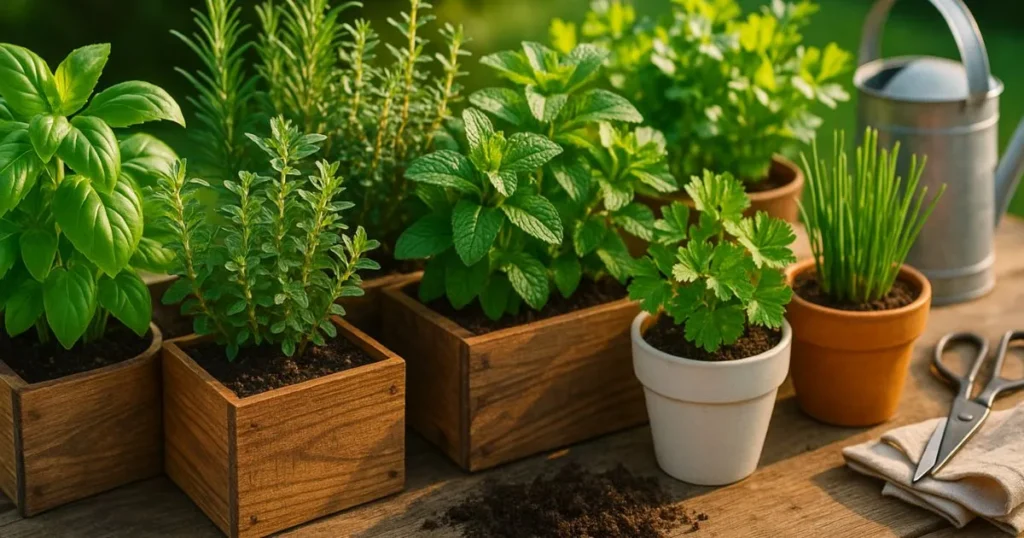
Why They’re Great
- Keep roots cooler in summer
- Natural look blends with outdoor spaces
- Works well for grouped herbs
Potential Downsides
- Can rot if untreated
- Need occasional maintenance
Vertical Herb Planters
If you’re short on ground space, go vertical.
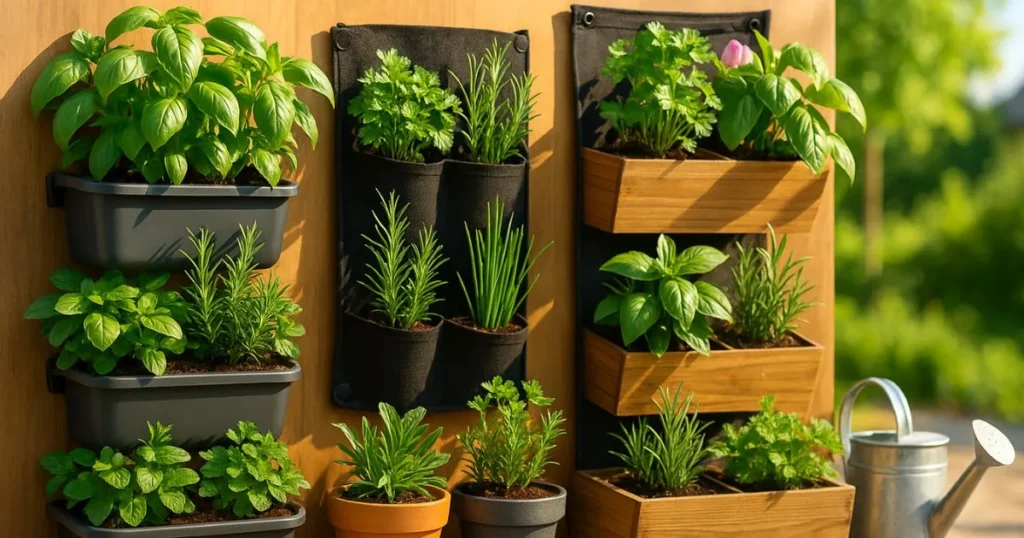
Why Vertical Planters Shine
- Perfect for balconies
- Great for small-root herbs
- Space-efficient and visually pleasing
Hanging Herb Planters
Ideal for trailing herbs like mint or oregano.
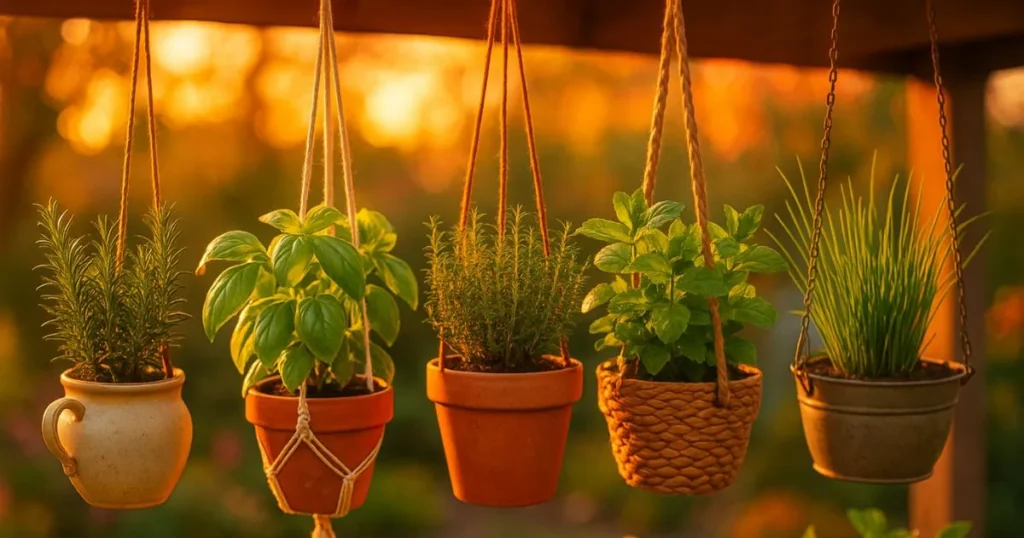
Benefits
- Saves space
- Adds visual interest
- Gets herbs off the ground and away from pests
Best Herbs to Grow in Herb Planters
The herbs you choose will shape your experience. Some herbs are easier than others, and choosing the right mix will keep your garden productive with minimal effort.
Easiest Herbs for Total Beginners
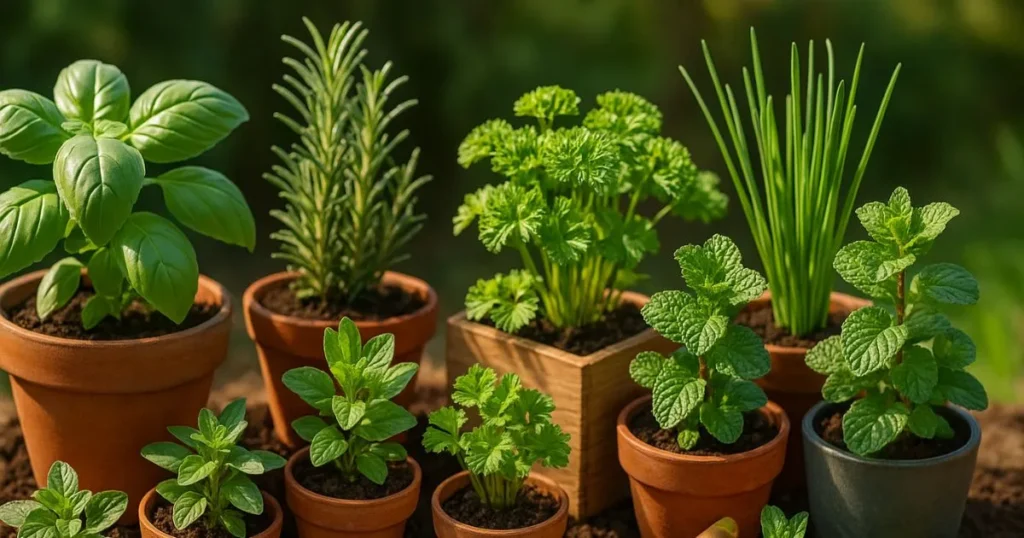
If you’re planting for the first time, start with these stress-free favorites:
Basil
Fast-growing, bright flavor, loves sun and warmth.
Thyme
Low maintenance, drought tolerant, and beautifully aromatic.
Mint
Grows vigorously (almost too fast), perfect for tea or garnish.
Parsley
Does well in partial shade and regular watering.
Rosemary
Evergreen, hardy, and fragrant.
Chives
Mild onion flavor; grows well in most conditions.
These herbs thrive in herb planters and are forgiving even when you’re still learning.
Perennial vs Annual Herbs
This helps you understand which herbs return and which need replanting each year.
Comparison Table: Annuals vs Perennials
| Herb Type | Examples | Best For | Notes |
|---|---|---|---|
| Annuals | Basil, Cilantro, Dill | Fast growth, heavy harvests | Complete their life cycle in one season |
| Perennials | Rosemary, Thyme, Mint | Long-term growing | Require pruning to prevent overgrowth |
Setting Up Your Herb Planters Step-by-Step
A strong start ensures your herbs stay healthy from day one. Here’s a simple method you can follow even if you’ve never grown anything before.
1. Choose the Right Planter Size
Most herbs love room to spread roots. A depth of 6–12 inches is ideal for most varieties.
2. Ensure Proper Drainage
Look for drainage holes at the bottom of your planter. Herbs hate sitting in soggy soil.
If your pot doesn’t have holes, drill some or choose a different container.
3. Use High-Quality Potting Mix
Avoid garden soil. It compacts too easily and suffocates roots.
Use:
- Lightweight potting mix
- Organic compost
- Optional perlite for drainage
4. Add Organic Compost
Compost enriches the soil naturally, helping herbs develop deeper flavor and stronger stems.
5. Plant Herbs at the Correct Spacing
Give each herb room to breathe. Overcrowding leads to poor airflow and disease.
General spacing guidelines:
- Compact herbs: 6–8 inches
- Medium herbs: 10 inches
- Vigorous herbs (like mint): 12–14 inches
6. Water Deeply After Planting
This wakes up the roots and helps them settle.
7. Place the Planters in Optimal Sunlight
Most herbs need 6–8 hours of sunlight, but a few tolerate shade.
Full sun lovers:
- Basil
- Rosemary
- Thyme
Partial shade herbs:
- Parsley
- Mint
Soil Requirements for Herb Planters
Healthy soil is the key to productive herbs. With planters, you have full control over the soil environment.
Ideal Soil Texture
Your soil should feel light and airy, not dense or sticky. A good potting mix drains well but still holds moisture long enough for roots to absorb it.
Optional Soil Add-Ins
- Perlite: increases airflow
- Sand: improves drainage
- Coco coir: helps retain moisture
- Bone meal: boosts root development
Watering and Sunlight Tips for Herb Planters
Watering and sun exposure are two areas where beginners often struggle. With planters, you can simplify both.
How to Water Herbs in Planters
- Water when the top inch of soil feels dry
- Morning watering is best
- Avoid splashing water on leaves (reduces mildew)
- Use deep watering rather than frequent shallow watering
Sunlight Needs
6–8 Hours of Direct Sunlight
Perfect for:
- Basil
- Thyme
- Rosemary
4–6 Hours of Partial Shade
Ideal for:
- Parsley
- Mint
- Chives
DIY Fertilizer Recipe for Healthy Herb Planters
When you grow herbs for flavor, nutrients matter. Here’s a beginner-friendly recipe you can mix at home.
Fertilizer Table
| Ingredient | Amount | Purpose |
|---|---|---|
| Compost | 2 cups | Base nutrition |
| Fish Emulsion | 1 tbsp | Mild nitrogen boost |
| Crushed Eggshells | 3–4 shells | Adds calcium |
| Epsom Salt | ½ tbsp | Improves flavor + chlorophyll |
How to Apply the Fertilizer
- Mix ingredients together
- Sprinkle lightly around the base of each herb
- Water deeply
- Repeat every 4–6 weeks
Common Problems with Herb Planters (and How to Fix Them)
Even though herbs are generally easy to grow, a few problems tend to show up in planter gardens. The good news is that you can solve most of them quickly once you know what to look for.
Overwatering
Overwatering happens more often than you’d think, especially in planters.
Signs Your Herbs Are Getting Too Much Water
- Yellowing leaves
- Drooping even when soil is wet
- Mushy stems
- A sour smell coming from the soil
How to Fix It
- Use a planter with proper drainage
- Let the soil dry out before watering again
- Remove saucers from under pots so water doesn’t pool
- Mix perlite into the soil
Leggy, Stretching Herbs
Leggy herbs reach for sunlight and lose their compact, full shape.
What Causes Legginess
- Not enough sunlight
- Warm indoor air
- Overfertilizing
How to Fix It
- Move your herb planters to a brighter location
- Trim herbs to encourage branching
- Reduce fertilizer, especially nitrogen-heavy types
Pests in Herb Planters
Herbs in planters are less likely to attract heavy pest issues, but it still happens.
Common Herb Pests
- Aphids
- Spider mites
- Whiteflies
- Leaf miners
Gentle Solutions
- Spray with neem oil
- Use insecticidal soap
- Rinse leaves with water
- Remove heavily infested leaves
For more science-backed pest control tips:
🔗 https://gardeningsolutions.ifas.ufl.edu/
Harvesting Tips for Healthy, Flavorful Herb Growth
Harvesting your herbs the right way encourages them to grow faster and produce richer flavor.
When to Harvest
- Harvest early in the morning when oils are strongest
- Best time: just before the plant flowers
- For constant production, snip lightly each week
How to Harvest Properly
Use Clean, Sharp Scissors
Clean cuts encourage faster regrowth.
Cut Above a Leaf Node
This is where new branches form.
Never Remove More Than One-Third
Removing too much stresses the herb and slows growth.
How to Store Fresh Herbs After Harvesting
Once you’ve clipped your herbs, you can keep them fresh longer with a few simple steps.
Short-Term Storage
- Rinse lightly
- Pat dry
- Wrap in a damp paper towel
- Put in a sealed bag in the fridge
Long-Term Storage
- Freeze whole leaves
- Chop and freeze in oil in ice trays
- Air dry hardy herbs like thyme, rosemary, oregano
These methods preserve both flavor and fragrance.
Conclusion
Growing herbs in planters is one of the easiest and most satisfying ways to bring more freshness into your daily life. Whether your goal is to season your meals, brighten your space with greenery, or learn the basics of gardening, herb planters make the entire process simple and enjoyable. You don’t need a huge outdoor garden—you just need a few containers, healthy soil, and the willingness to start.
As your herbs grow, you’ll notice that tending to them becomes a calming part of your routine. The scent of basil when you brush past it, the feel of rosemary between your fingers, the burst of mint in your tea—these small moments become rituals that ground you. And each time you snip a handful of fresh herbs for your kitchen, you’ll feel the reward of something you created yourself.
Starting with herb planters puts you in control. You choose the soil, the sunlight, the watering schedule, and the flavors you want close at hand. Over time, your small planter garden becomes more than a collection of pots—it becomes a living pantry, a miniature ecosystem, and a source of everyday joy.
FAQ
What herbs grow best in herb planters?
Basil, rosemary, mint, parsley, thyme, and chives are among the easiest and most productive herbs to grow in planters.
How much sunlight do herb planters need?
Most herbs need 6–8 hours of direct sunlight each day, but mint and parsley can grow well in partial shade.
How often should you water herb planters?
Water when the top inch of soil feels dry. Planters dry out faster than in-ground gardens, so check daily in hot weather.
Can you grow herbs indoors using herb planters?
Yes. Just make sure your herbs get bright light—either from a sunny window or a simple LED grow light.
What size planter is best for herbs?
Most herbs do well in planters that are 6–12 inches deep, with good drainage holes.