Growing Herbs in Containers: The Complete Beginner’s Guide to Flavorful, Fresh Gardening Anywhere
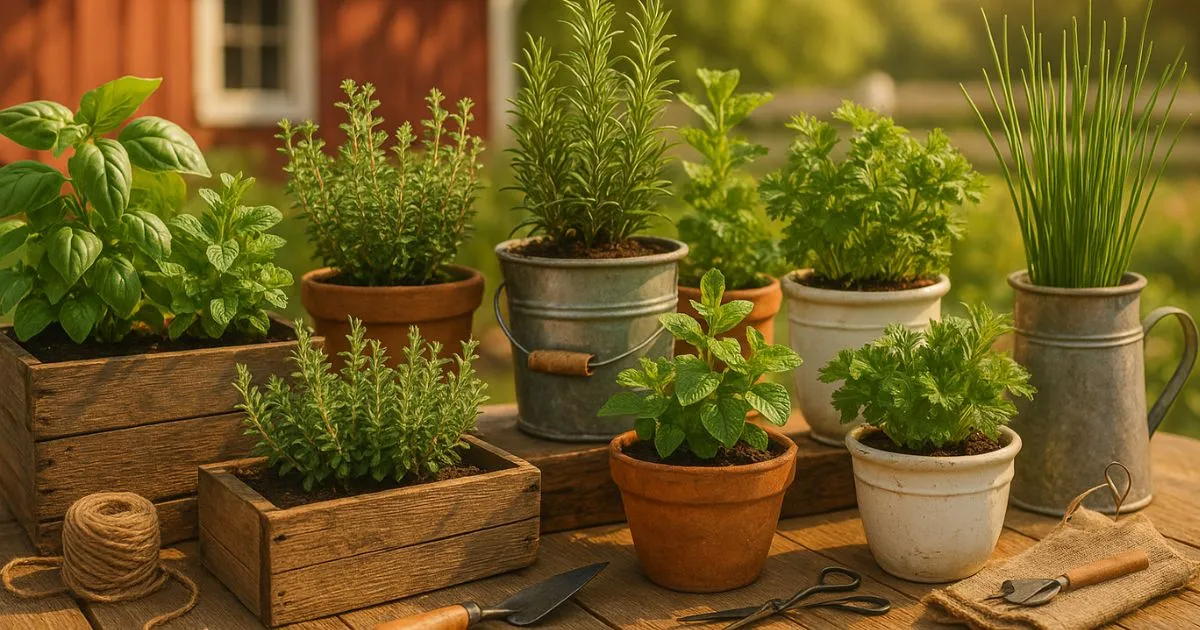
There’s something incredibly grounding about stepping outside—or even walking to your kitchen windowsill—and picking a handful of fresh herbs that you grew yourself. The scent hits you first: basil that smells like summer, rosemary with its sharp pine-like edge, mint that lifts your whole mood in one breath. If you’ve ever wished you could cook with herbs straight from the garden without needing a huge backyard, you’re exactly where you need to be.
Whether you live in a small apartment or a home with plenty of outdoor space, growing herbs in containers gives you freedom, flexibility, and a surprising amount of joy. You control the soil, the watering, and the sunlight. You choose the flavors you want to cook with. And you create something living that rewards you day after day.
This guide walks you step-by-step through building your own herb planter garden—easy enough for beginners, rich enough for anyone who loves fresh flavor.
Table of Contents
Why Growing Herbs in Containers Works for Every Gardener
Container herb gardening isn’t just convenient—it’s one of the easiest ways to start gardening with confidence.
It Works in Any Space
You don’t need a yard. You don’t even need a patio. You can grow herbs:
- On balconies
- On kitchen counters
- In windowsills
- Along porch railings
- On apartment fire escapes
- In hanging planters
If you have sunlight, you have space.
You Have Total Control Over Soil
In-ground gardening often means dealing with clay, rocky soil, or sandy patches. With herb planters, you:
- Choose nutrient-rich soil
- Improve drainage easily
- Reduce risks of root rot
- Create perfect conditions for flavor
Container herbs grow faster and healthier because they get exactly what they need.
Pests Are Easier to Manage
Containers elevate your herbs, reducing problems with:
- Slugs
- Grubs
- Soil-borne diseases
And small pests like aphids are easier to spot early.
You Can Move Them Whenever You Want
If you notice your basil reaching for light or your rosemary drying out too quickly, you can relocate your planters instantly.
Mobility = healthy plants with less guesswork.
For more beginner-friendly container gardening basics, you can browse research-backed resources from Extension.org:
🔗 https://www.extension.org/
Choosing the Best Planters for Growing Herbs in Containers
Before you start buying soil or seeds, the planter you choose matters. Different materials affect drainage, sunlight exposure, and root health.
Here’s what you should know before picking yours.
Terracotta Planters
Terracotta is a classic choice with real advantages.
What You’ll Love
- Natural clay allows air to reach roots
- Excellent drainage
- Ideal for Mediterranean herbs (they like to stay on the dry side)
Best Herbs for Terracotta
- Rosemary
- Thyme
- Oregano
- Sage
Things to Keep in Mind
Terracotta dries out faster than other pots, so you’ll need to monitor soil moisture—especially in summer.
Ceramic Herb Pots
If you want something beautiful and functional, ceramic may be your favorite.
Why Ceramic Works Well
- Adds weight (won’t tip over in wind)
- Keeps soil moist longer
- Great temperature regulation
Great for These Herbs
- Basil
- Parsley
- Chives
Watch Out For
Some ceramic pots have limited drainage. Be sure you pick ones with holes.
Wooden Herb Boxes
Wooden planters look natural and insulate roots extremely well.
Why Gardeners Love Them
- Perfect for grouping multiple herbs
- Stay cool in summer heat
- Great for outdoor patios
Best Herbs for Wood Boxes
- Mint
- Cilantro
- Chives
- Dill
Maintenance Tip
Seal untreated wood to prevent rot and extend the life of your herb boxes.
Vertical Herb Planters
If floor space is limited, vertical gardening is your best friend.
Why Vertical Planters Are Ideal
- Perfect for balconies
- Create a living, green wall
- Make harvesting easy
- Keep plants off the ground
Best Herbs for Vertical Setups
- Thyme
- Oregano
- Chives
- Parsley
These herbs stay compact and thrive in stacked environments.
Hanging Herb Planters
Perfect for cascading herbs and small spaces.
What Makes Them Work
- Use vertical air space
- Add charm and visual movement
- Keep herbs at eye level
Herbs That Shine in Hanging Planters
- Mint (loves to trail)
- Creeping thyme
- Oregano
- Lemon balm
These planters bring life to balconies and windows in a gorgeous way.
Best Herbs for Growing Herbs in Containers
Choosing the right herbs will make your container garden thrive with far less effort.
Here are the easiest, most rewarding herbs to start with.
Beginner-Friendly Herbs
These herbs almost feel like they grow themselves:
Basil
Loves sun, warmth, and regular harvesting.
Mint
Explosive growth and a refreshing scent — thrives in containers where it’s contained.
Thyme
Low maintenance and drought-tolerant.
Parsley
Easygoing and flavorful; prefers slightly moist soil.
Rosemary
Hardy, fragrant, and long-lasting.
Chives
Perfect cut-and-come-again herb with mild onion flavor.
Annual vs. Perennial Herbs
To help you plan long-term, here’s a breakdown:
Table: Annuals vs. Perennials in Containers
| Herb Type | Examples | Best For | Notes |
|---|---|---|---|
| Annuals | Basil, Cilantro, Dill | Fast harvests, seasonal gardening | Complete their cycle in one season |
| Perennials | Mint, Rosemary, Thyme | Low-maintenance, long-term planters | Need periodic trimming to keep shape |
Setting Up Your Herb Planters Step-by-Step
This is where your garden starts to take shape.
1. Choose the Right Planter Size
Most herbs grow well in planters 6–12 inches deep. Larger herbs like rosemary need more root space.
2. Ensure Proper Drainage
This is non-negotiable: herbs hate soggy soil.
Look for:
- At least one drainage hole
- Optional saucer (but don’t let it stay filled with water)
If you love a planter without holes, you can drill your own.
3. Use High-Quality Potting Mix
Never use yard soil for planters.
Instead, use:
- Lightweight potting mix
- Compost for nutrients
- Perlite for airflow
- Coconut coir to retain moisture
This creates a well-balanced growing environment.
4. Add Organic Compost
A small handful mixed into the top layer boosts flavor and growth.
5. Plant with Proper Spacing
Plants need air circulation to prevent mildew.
General spacing:
- Compact herbs: 6–8 inches
- Medium herbs: 8–10 inches
- Vigorous herbs (mint): 12–14 inches
6. Water Deeply
After planting, give your herbs a slow, deep watering to settle their roots.
7. Choose the Right Sunlight Location
Sun is crucial for strong flavor and healthy growth.
Full Sun Herbs (6–8 hours)
- Basil
- Rosemary
- Thyme
Partial Shade Herbs (4–6 hours)
- Mint
- Parsley
- Chives
If your indoor light is weak, use a simple grow light.
Soil Requirements for Growing Herbs in Containers
Good soil makes all the difference between slow-growing herbs and vibrant, flavorful ones.
Ideal Soil Texture
You want soil that feels:
- Light
- Crumbly
- Moist but not soggy
- Well-aerated
Optional Add-Ins
These improve performance significantly:
Perlite: Increases airflow
Sand: Improves drainage
Coco Coir: Retains moisture
Bone Meal: Helps strong root development
Healthy soil = healthy flavor.
Watering & Sunlight Tips
Watering seems simple, but herbs respond best to certain rhythms.
How to Water Herbs Properly
- Water when the top 1 inch of soil feels dry
- Water early in the morning
- Water deeply, not lightly
- Avoid overhead watering on leaves
This keeps diseases away and encourages deep root growth.
DIY Fertilizer Recipe for Strong, Flavorful Herbs
Herbs grown in containers rely on you for nutrients, since pots don’t naturally replenish soil the way outdoor beds do. Fortunately, you don’t need anything complicated to keep them thriving. A simple homemade mix is enough to give your herbs consistent flavor and steady growth.
Beginner-Friendly Fertilizer Recipe
Herb Fertilizer Table
| Ingredient | Amount | Purpose |
|---|---|---|
| Compost | 2 cups | Provides nutrient-rich organic matter |
| Fish Emulsion | 1 tbsp | Boosts nitrogen for leafy growth |
| Crushed Eggshells | 3–4 shells | Adds calcium for strong cell walls |
| Epsom Salt | ½ tbsp | Supplies magnesium for flavor + green color |
How to Apply Your DIY Fertilizer
- Combine all dry ingredients in a bowl.
- Sprinkle a thin layer around the base of each herb.
- Water slowly and deeply so nutrients soak through.
- Reapply every 4–6 weeks for best results.
This gentle formula keeps herbs productive without overwhelming their roots—perfect for basil, mint, parsley, rosemary, thyme, and more.
Common Problems When Growing Herbs in Containers (And How to Fix Them)
Even with simple care, herbs sometimes send warning signs. The good news? Container-grown plants are much easier to troubleshoot because everything is contained and visible.
Overwatering
Too much water is the #1 issue for potted herbs.
Symptoms
- Yellowing leaves
- Mold on soil surface
- Mushy stems
- Foul-smelling soil
Solutions
- Improve drainage with perlite
- Empty drainage saucers
- Let soil dry before watering
- Drill extra holes if needed
Leggy Herbs
When herbs stretch toward light, they become thin, floppy, and weak.
Symptoms
- Long stems with wide spacing between leaves
- Top-heavy plants
- Reduced flavor
Solutions
- Move planters to a sunnier spot
- Trim stems to encourage bushiness
- Use a small grow light indoors
Low Flavor
Herbs sometimes look great but taste weak. This usually comes down to sunlight or fertilizer.
Fixing Low Flavor
- Increase sun exposure
- Use less nitrogen-rich fertilizer
- Water slightly less often to concentrate oils
Pests in Herb Containers
Container herbs attract fewer pests, but you may still see:
Common Invaders
- Aphids
- Whiteflies
- Spider mites
- Leaf miners
Beginner-Safe Solutions
- Spray with neem oil weekly
- Rinse plants with water
- Use insecticidal soap
- Remove heavily damaged leaves
For detailed pest identification and natural solutions, explore UF/IFAS Gardening Solutions:
🔗 https://gardeningsolutions.ifas.ufl.edu/
Harvesting Your Herbs for Maximum Growth
Harvesting isn’t just about cutting leaves—it’s about encouraging your herbs to produce more.
Done correctly, harvesting becomes a feedback loop:
🌿 The more you cut → the more your herbs grow.
When to Harvest
- Mornings offer the strongest flavor
- Harvest before herbs flower
- Light weekly harvests keep plants productive
How to Harvest Properly
- Use sharp, clean scissors
- Cut just above a leaf node
- Remove no more than one-third of the plant at once
- Keep stems long for perennial herbs like rosemary or thyme
How to Store Fresh Herbs After Cutting
Once you bring your herbs inside, proper storage helps keep them vibrant.
Short-Term Storage
- Wash gently and pat dry
- Wrap in slightly damp paper towels
- Place in an airtight container or bag
- Store in the refrigerator for up to a week
Long-Term Storage
Freezing Herbs
- Chop and freeze in olive oil inside ice cube trays
- Perfect for soups, sautés, sauces
Drying Herbs
Best for hardy types like rosemary, oregano, thyme.
Steps:
- Bundle small bunches
- Hang upside down in a dry location
- Store in airtight jars once fully dry
Conclusion
Growing herbs in containers is more than an easy gardening project—it’s a way to bring fragrance, flavor, and small moments of peace into your everyday life. With the right planter, quality soil, sunlight, and thoughtful care, your herb garden becomes reliable and deeply rewarding.
Every time you walk outside to snip basil for dinner or pick fresh mint for tea, you’ll feel a quiet pride in knowing you grew something beautiful. Whether you start with one container or create a full kitchen garden, the process is simple, uplifting, and completely doable for beginners.
Your herb planters will become little pockets of joy that keep giving back—season after season.
FAQ — Growing Herbs in Containers
How much sunlight do herbs need when growing herbs in containers?
Most herbs flourish with 6–8 hours of sunlight daily. Mint and parsley tolerate partial shade.
What are the easiest herbs for growing herbs in containers?
Basil, mint, parsley, thyme, rosemary, and chives grow quickly and require minimal maintenance.
Can you grow herbs indoors?
Absolutely—just ensure your herbs receive bright light or supplement with small grow lamps.
How often should I water container herbs?
Water when the top inch of soil is dry. Containers dry out faster than ground soil, especially in heat.
What size container is best for growing herbs in containers?
Most herbs prefer planters between 6 and 12 inches deep with strong drainage.