How to Plant Herbs: The Complete Beginner’s Guide to Fresh Flavor in Any Planter
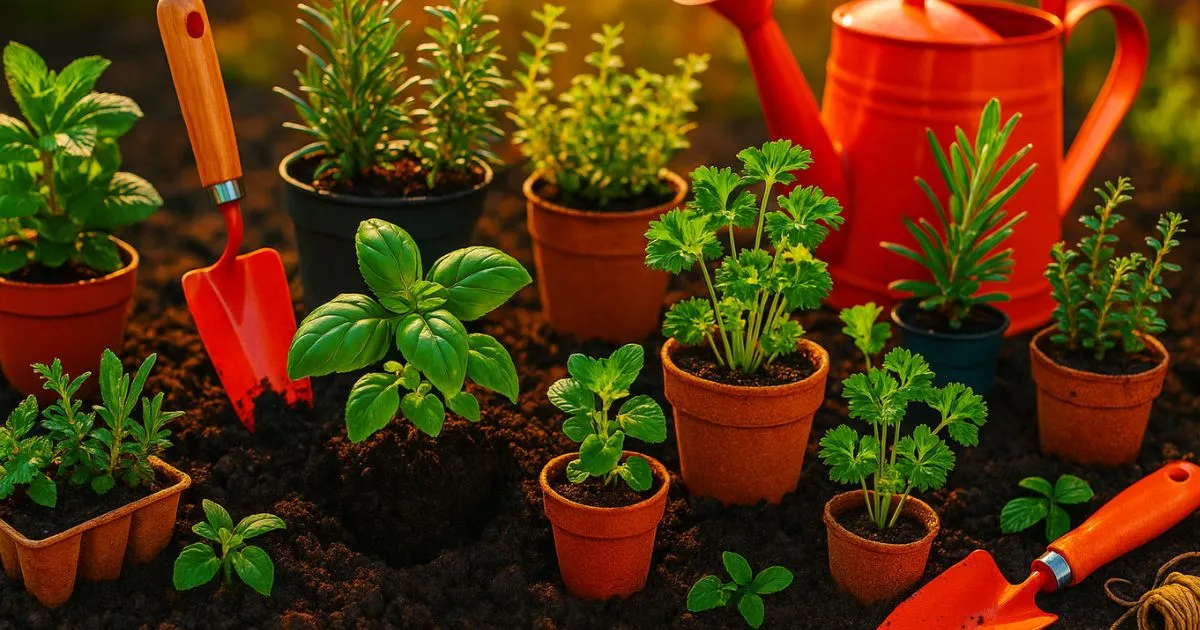
The good news? You don’t need a yard. You don’t need complicated tools. You don’t even need gardening experience. Once you learn how to plant herbs in a planter, you can grow fresh flavor anywhere—balconies, patios, windowsills, porches, or even tiny apartment ledges.
This guide walks you through every step, from choosing your planter to harvesting your first handful of fragrant leaves. By the time you finish, you’ll have everything you need to start your own mini herb garden and enjoy the reward of homegrown flavor every single day.
Why Planting Herbs in a Planter Works for Everyone
Planting herbs in a planter gives you more control, flexibility, and freedom than traditional gardening. And for beginners, that’s a huge advantage.
Table of Contents
You Can Grow Herbs in Any Space
Whether you live in a house with no yard or an apartment several stories up, planters give you endless possibilities. You can grow herbs:
- On balconies
- On windowsills
- On kitchen counters
- On patios and porches
- Hanging from hooks
- In small vertical planters
All you need is light and a little space.
You Control the Soil
When you grow herbs in the ground, you deal with whatever soil you have—clay, sand, rocky patches, low nutrients. But in a planter, you choose:
- Soil quality
- Drainage
- Nutrient levels
- Texture and aeration
Better soil = stronger flavor + healthier plants.
Fewer Pest Problems
Planters lift your herbs off the ground, making them less appealing to:
- Slugs
- Soil-borne insects
- Grubs
And you can move them if pests become a problem.
Easier Sunlight Adjustment
Herbs love sunlight—but the amount varies. With planters, it’s easy to:
- Move herbs to morning sun
- Add shade when needed
- Shift positions seasonally
This flexibility helps prevent leggy growth and weak flavor.
For additional beginner-friendly resources on container gardening, you may explore:
🔗 https://www.extension.org/
Choosing the Best Planter for Your Herbs
Your planter affects drainage, root comfort, sunlight exposure, and flavor. Picking the right one makes your garden easier to manage.
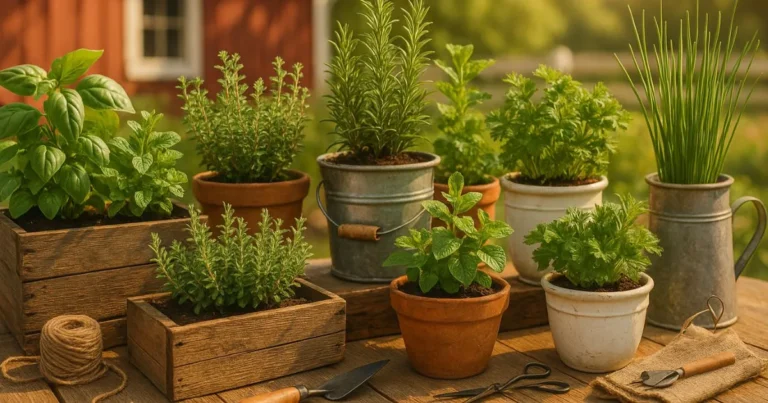
Terracotta Herb Planters
Terracotta is a classic choice for herb growing.
Why They’re Great
- Natural clay helps air reach the roots
- Excellent drainage
- Perfect for herbs that prefer drier soil
Best Herbs for Terracotta
- Rosemary
- Thyme
- Oregano
- Sage
Keep in Mind
Terracotta dries out fast, especially in summer heat. Monitor soil moisture frequently.
Ceramic Herb Pots
Ceramic pots add beauty and stability.
Benefits
- Heavy (wind-resistant)
- Maintain even soil moisture
- Great for indoor or outdoor herb planters
Ideal Herbs
- Basil
- Parsley
- Chives
Caution
Some ceramic pots have limited drainage—choose ones with holes.
Wooden Herb Boxes
Wooden planters offer rustic charm and excellent insulation.
Why Gardeners Love Them
- Keep soil cooler in summer
- Offer enough space for herb combos
- Work well outdoors
Best Herbs for Wood Boxes
- Mint
- Cilantro
- Chives
- Dill
Maintenance Tip
Seal untreated wood to prevent rot and extend longevity.
Vertical Herb Planters
If you’re short on space, vertical gardening can transform a small area into a thriving herb wall.
Why Vertical Planters Work
- Perfect for balconies
- Great for compact herbs
- Saves space and adds beauty
Best Herbs for Vertical Gardens
- Oregano
- Thyme
- Parsley
- Chives
Hanging Herb Planters
These work beautifully for cascading herbs or for adding green décor to porches or balconies.
Benefits
- Great for small or narrow spaces
- Use unused vertical height
- Keeps herbs away from ground insects
Herbs That Shine in Hanging Planters
- Mint
- Oregano
- Lemon balm
- Creeping thyme
Best Herbs for Planting in Planters
Some herbs thrive in planters more easily than others. These varieties are perfect if you’re just learning how to plant herbs.
Beginner-Friendly Herbs
These herbs adapt well, grow quickly, and taste incredible:
Basil
Loves sun and warmth; grows fast with regular harvesting.
Mint
Explosive growth—almost too vigorous. Containers keep it contained.
Parsley
Handles partial shade and grows consistently.
Thyme
Drought-tolerant and full of flavor.
Chives
Great for cut-and-grow-again style harvesting.
Rosemary
Hardy, woody, and perfect for long-term growing.
Cilantro
Grows quickly but prefers cooler temps and partial shade.
Annual vs. Perennial Herbs
Herb Comparison Table
| Herb Type | Examples | Best For | Notes |
|---|---|---|---|
| Annuals | Basil, Cilantro, Dill | Fast harvest, seasonal gardening | One-season lifespan |
| Perennials | Rosemary, Mint, Thyme | Long-term planters | Require occasional pruning |
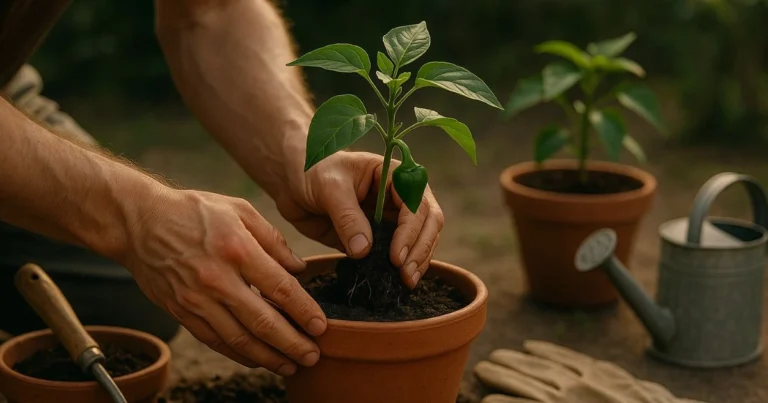
How to Plant Herbs in a Planter: Step-by-Step
This is where your herb garden begins to take shape.
Follow these steps, and your herbs will settle in comfortably and begin growing quickly.
1. Choose a Planter with Good Drainage
Drainage holes are essential. Herbs hate sitting in waterlogged soil.
If your planter doesn’t have holes, add them or choose another container.
2. Use High-Quality Potting Mix
This is crucial. Avoid garden soil—it compacts too easily.
Use:
- Light potting mix
- Organic compost
- Perlite (for airflow)
- Coconut coir (for moisture retention)
This creates the ideal environment for strong, flavorful herbs.
3. Add Compost for Nutrients
Mix a small layer of compost into the top soil. It feeds your herbs naturally and supports steady growth.
4. Space Herbs Correctly
Proper spacing allows airflow and prevents disease.
General Spacing Guidelines:
- Small herbs: 6–8 inches
- Medium herbs: 8–10 inches
- Vigorous herbs (like mint): 12–14 inches
5. Water Deeply After Planting
This helps roots anchor and settle. Let water drain fully before adding more.
6. Place Your Planter in Optimal Sunlight
Different herbs require different light levels.
Full Sun (6–8 hours):
- Basil
- Rosemary
- Thyme
Partial Shade (4–6 hours):
- Mint
- Parsley
- Cilantro
If you grow indoors, place planters near a bright window or add a grow light.
Soil Requirements for Herb Planters
Healthy soil is the foundation of strong, flavorful herbs.
Ideal Soil Texture
Your soil should be:
- Light
- Crumbly
- Well-draining
- Moist but not wet
Optional Soil Add-Ins
These improve drainage, flavor, and plant strength:
Perlite: boosts airflow
Sand: prevents compacting
Coco coir: increases moisture retention
Bone meal: encourages strong roots
Watering and Sunlight Tips
Watering plays a huge role in herb health. Too much or too little can impact flavor and growth speed.
Watering Tips
- Water early in the day
- Check moisture by touching the top inch of soil
- Water deeply rather than lightly
- Avoid soaking the leaves
This prevents mildew and encourages strong, deep roots.
DIY Fertilizer Recipe for Strong, Flavorful Herbs
Even though herbs don’t demand heavy feeding, planters naturally lose nutrients over time. A simple, gentle fertilizer mix keeps your herbs vibrant, green, and intensely flavorful.
Homemade Herb Fertilizer Recipe
Fertilizer Table
| Ingredient | Amount | Purpose |
|---|---|---|
| Compost | 2 cups | Core nutrition for overall growth |
| Fish Emulsion | 1 tbsp | Promotes leafy, aromatic growth |
| Crushed Eggshells | 3–4 shells | Provides calcium for strong stems |
| Epsom Salt | ½ tbsp | Adds magnesium for rich color and flavor |
How to Use Your DIY Fertilizer
- Combine ingredients in a bowl.
- Spread around the top layer of soil.
- Water slowly to distribute nutrients.
- Repeat every 4–6 weeks during the growing season.
This homemade mix feeds herbs gently—ideal for basil, parsley, thyme, rosemary, mint, and more.
Common Problems When Planting Herbs in a Planter
Even with simple steps, herbs sometimes give you signals that something isn’t right. Luckily, container herbs are quick to diagnose and rescue.
Overwatering
Too much water is the most common mistake new herb gardeners make.
Signs Your Herbs Are Overwatered
- Yellowing leaves
- Drooping stems despite wet soil
- Mold or fungus on soil
- Foul, swampy smell
How to Fix It
- Let soil dry out before next watering
- Mix perlite into soil
- Drill extra drainage holes if needed
- Empty saucers after watering
Leggy or Stretched Herbs
Leggy herbs grow tall and weak, with wide gaps between leaves.
Why It Happens
- Not enough sunlight
- Overuse of nitrogen fertilizers
- Herbs placed too far from windows indoors
How to Fix It
- Move to a brighter location
- Trim stems to encourage thicker branching
- Use a small grow light indoors if needed
Weak Flavor
Herbs look fine but taste dull? This often means they’re missing enough sunlight or airflow.
Ways to Improve Flavor
- Increase sunlight hours
- Allow soil to dry slightly between waterings
- Avoid over-fertilizing
- Harvest regularly to build essential oils
Pests on Container Herbs
Containers reduce pests, but they don’t eliminate them entirely.
Common Pests
- Aphids
- Whiteflies
- Spider mites
- Caterpillars
Beginner-Friendly Solutions
- Spray gently with neem oil
- Use insecticidal soap
- Rinse herbs with a hose
- Remove damaged leaves
For deeper pest guidance, explore UF/IFAS Gardening Solutions:
🔗 https://gardeningsolutions.ifas.ufl.edu/
Harvesting Herbs for Maximum Growth
Harvesting is more than clipping a few leaves—it’s part of your herb’s growth cycle. Done correctly, it encourages more stems, more leaves, and more flavor.
When to Harvest
- Mornings have the strongest essential oils
- Harvest before flowering for peak flavor
- Light weekly harvesting increases production
How to Harvest Properly
- Use clean, sharp scissors
- Cut just above a leaf node
- Avoid removing more than one-third at a time
- For woody herbs (rosemary, thyme), take longer stems
- For soft herbs (basil, mint), pinch tips to encourage bushiness
This simple method helps your herbs stay productive all season.
How to Store Fresh Herbs After Harvesting
After harvesting, the right storage method keeps your herbs bright and fragrant.
Short-Term Storage
- Rinse lightly and pat dry
- Wrap herbs in a slightly damp paper towel
- Place inside a sealed container or bag
- Refrigerate for up to one week
Long-Term Storage
Freezing Herbs
- Chop herbs and freeze them in olive oil using ice cube trays
- Great for soups, sauces, and sautés
Drying Herbs
Hardy herbs—rosemary, thyme, oregano—dry especially well.
Steps:
- Tie small bundles with twine
- Hang upside down in a dry, dark room
- Store in airtight jars once fully dry
Drying intensifies flavor and extends shelf life for months.
Conclusion
Learning how to plant herbs opens up a world of fresh flavors, simple gardening joy, and everyday convenience. You don’t need a big yard, expensive tools, or expert knowledge—just a planter, good soil, sunlight, and a willingness to start. Whether you’re planting on a balcony, a kitchen windowsill, or a small patio corner, your herb garden becomes a little space of peace and satisfaction.
As you watch your herbs grow—leaf by leaf—you’ll discover that gardening isn’t just about plants. It’s about slowing down for a moment, nurturing something small, and adding beauty to your life. Every harvest becomes a reminder of what you created with your own hands. And every meal seasoned with your own herbs will feel just a little more special.
Start simple. Stay curious. And enjoy the fresh, fragrant rewards your planter garden will bring.
FAQ — How to Plant Herbs in a Planter
How much sunlight do I need when learning how to plant herbs?
Most herbs thrive with 6–8 hours of direct sunlight. Mint, parsley, and cilantro grow well with partial shade.
What are the easiest herbs for beginners to grow in planters?
Basil, mint, thyme, parsley, chives, and rosemary are the best starter herbs.
Can you plant multiple herbs in one planter?
Yes—just group herbs with similar sunlight and watering needs.
How often do herbs in planters need water?
Water when the top inch of soil feels dry. Planters dry faster than ground soil.
Can herbs grow indoors?
Absolutely. A sunny window or inexpensive grow light works well.
Do herbs need fertilizer in planters?
Yes, but lightly. Use a gentle mix (like compost + fish emulsion) every 4–6 weeks.