11 Tips to Build a Thriving Potted Herb Garden (Beginner’s Guide to Fresh Flavor at Home)
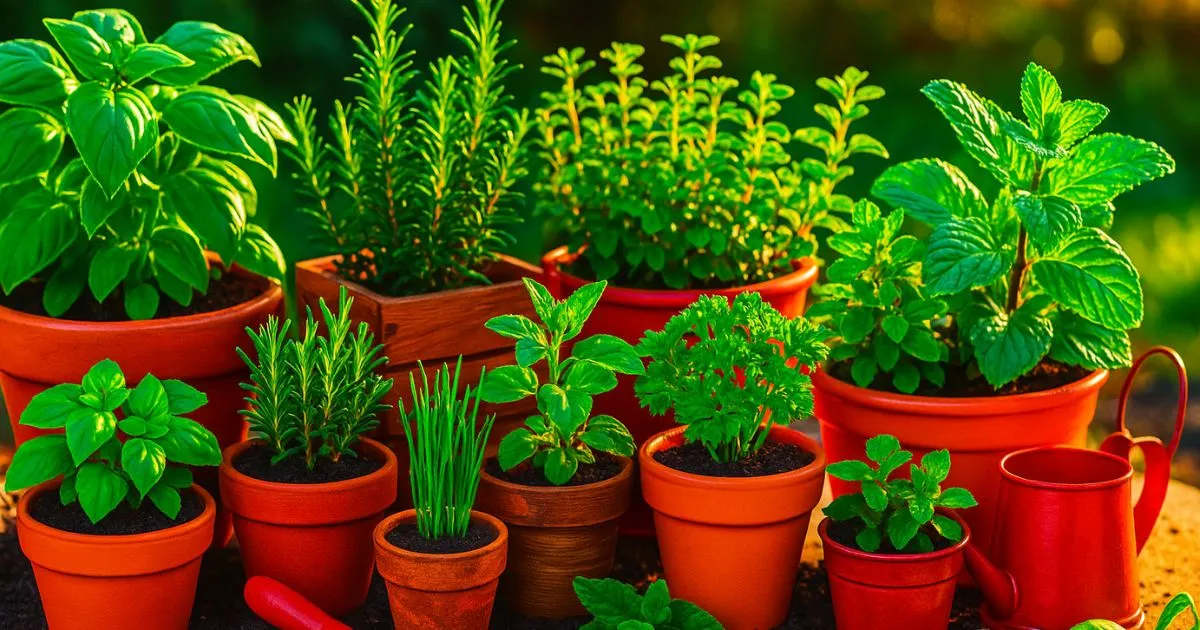
There’s a moment when you brush your hand across a basil leaf or pinch a bit of mint between your fingertips, and suddenly your whole space fills with scent—bright, cool, and alive. That tiny moment feels grounding. It’s simple, but meaningful. And it reminds you that you don’t need a large yard or years of gardening experience to create something beautiful. Sometimes, all it takes is a pot, a little soil, and a small corner of light.
If you’ve imagined stepping onto your patio to snip fresh rosemary, or wanted a touch of green near your kitchen window, a potted herb garden is one of the easiest and most satisfying places to begin. You control the space. You choose the flavors. And you get to watch your herbs grow day by day, rewarding you with fragrance, color, and everyday convenience.
This guide walks you through each step of creating your own potted herb garden—from choosing containers to harvesting your first handful of fresh herbs.
Table of Contents
Why a Potted Herb Garden Fits Every Home
A potted herb garden gives you freedom, flexibility, and full control, making it one of the best choices for new gardeners.
You Can Grow Herbs Anywhere
You don’t need a yard. You don’t even need a porch. You can grow herbs:
- On windowsills
- On balconies
- On patios
- On kitchen counters
- Along porch railings
- Hanging from hooks
- On outdoor tables
If you have light, you have space.
You Control the Soil
Growing herbs directly in the ground can be unpredictable—rocky patches, poor drainage, or nutrient-poor soil. But with a potted herb garden, you create the perfect environment:
- Well-draining, fluffy soil
- Balanced nutrients
- Proper pH (slightly alkaline for Mediterranean herbs)
- Healthy airflow
Healthy soil leads to richer flavor and stronger plants.
You Can Move Your Plants Anytime
If the sun shifts, if a storm rolls in, or if your basil starts stretching for more light, you can move your pots easily. That mobility means:
- Better growth
- More control over temperature
- Protection from heavy rain
- Stronger, more flavorful herbs
Fewer Pest Issues
Container herbs are naturally protected from:
- Grubs
- Slugs
- Soil-borne fungus
- Ground-dwelling pests
And because they’re in planters, pests are easier to spot and remove.
For more beginner-friendly guidance, you can explore Extension’s container gardening resources:
🔗 https://www.extension.org/
Choosing the Best Containers for Your Potted Herb Garden
Different containers offer different benefits. The right choice depends on your climate, herbs, and aesthetic preferences.
Terracotta Herb Pots
Terracotta is a classic for a reason.
Why They Work Well
- Excellent drainage
- Breathable clay that keeps roots healthy
- Perfect for herbs that prefer dry soil
Great Herbs for Terracotta
- Rosemary
- Thyme
- Oregano
- Sage
One Thing to Watch
Terracotta dries quickly—warm climates may require more frequent watering.
Ceramic Herb Planters
Why Gardeners Love Them
- Hold moisture longer than terracotta
- Heavy and stable in windy areas
- Beautiful for indoor displays
Best Herbs for Ceramic Pots
- Basil
- Chives
- Parsley
Considerations
Look for drainage holes—some decorative ceramics lack them.
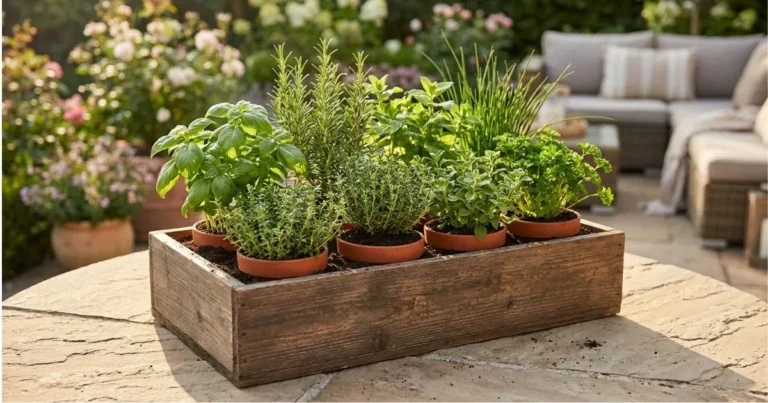
Wooden Herb Boxes
Wooden planters blend naturally into outdoor spaces.
Benefits
- Excellent insulation in hot climates
- Great for combining multiple herbs
- Rustic, farmhouse aesthetic
Ideal Herbs
- Mint
- Dill
- Cilantro
- Chives
Care Tip
Seal untreated wood to prevent rot and extend lifespan.
Vertical Herb Planters
A perfect space-saving option for small areas.
Why They’re Useful
- Great for balconies
- Allow multiple herbs in a small footprint
- Decorative and functional
Best Herbs for Vertical Planters
- Parsley
- Oregano
- Thyme
- Chives
Hanging Herb Planters
Ideal for creating a cascading garden effect.
Benefits
- Makes use of unused vertical air space
- Keeps herbs away from pests
- Beautiful for porches and balconies
Top Herbs for Hanging Pots
- Mint (cascading growth)
- Lemon balm
- Creeping thyme
- Oregano
Best Herbs for Your Potted Herb Garden
Some herbs thrive exceptionally well in containers. These options give you the best results with the least effort.
Beginner-Friendly Herbs
Each of these herbs grows quickly and offers plenty of flavor:
Basil
Sun-loving, aromatic, and perfect for constant harvesting.
Mint
Vigorous and refreshing—almost too vigorous. Planters keep it contained.
Parsley
A reliable grower that adapts to partial shade.
Chives
Easy to maintain; grows back quickly after cutting.
Thyme
Low maintenance, drought-tolerant, and beautifully fragrant.
Rosemary
Resilient and long-lasting with proper light.
Cilantro
Fast-growing but prefers cooler temperatures.
Annual vs. Perennial Herbs
Herb Table
| Herb Type | Examples | Best For | Notes |
|---|---|---|---|
| Annuals | Basil, Cilantro, Dill | Fast, abundant harvests | Grows for one season only |
| Perennials | Rosemary, Mint, Thyme | Long-term planters | Needs pruning to stay healthy |
How to Set Up Your Potted Herb Garden (Step-by-Step)
Here’s where your potted herb garden truly comes to life.
Step 1 — Choose the Right Pot Size
Most herbs grow well in pots 6–12 inches deep, depending on their root system.
General Rule
Bigger pots hold moisture better and give herbs more space to thrive.
Step 2 — Select the Right Soil Mix
Soil is everything when it comes to container gardening.
Use:
- High-quality potting mix
- Compost for nutrients
- Perlite or coarse sand for drainage
- Coconut coir for moisture balance
Avoid:
- Garden soil (too dense, poor drainage)
Step 3 — Plant Your Herbs Correctly
Follow these steps to give your herbs the best start:
- Loosen roots gently
- Place herbs at the same depth they were in their nursery pots
- Space herbs based on size (6–14 inches apart)
- Press soil lightly around roots
Step 4 — Water Thoroughly
Water slowly until water drains from the bottom. This helps settle the soil and anchor roots.
Step 5 — Choose the Right Amount of Sunlight
Light affects flavor, growth speed, and herb shape.
Full Sun Herbs (6–8 hours)
- Basil
- Rosemary
- Thyme
Partial Shade Herbs (4–6 hours)
- Mint
- Parsley
- Cilantro
- Chives
Growing indoors? Add a small grow light.
Watering & Light Tips for a Healthy Potted Herb Garden
Herbs are surprisingly forgiving, but watering and sunlight make all the difference.
Watering Guidelines
- Water when the top inch of soil feels dry
- Water deeply rather than lightly
- Avoid wetting herbs’ leaves
- Choose morning watering for best results
Sunlight Tips
- Rotate pots weekly for even growth
- Move herbs to stronger sunlight during winter
- Provide shade for tender herbs in extreme heat
DIY Fertilizer Recipe for Your Potted Herb Garden
Even though herbs don’t require heavy feeding, container soil gradually loses nutrients. A gentle, organic fertilizer mix helps your potted herb garden stay lush, fragrant, and productive.
Simple DIY Fertilizer Recipe
Fertilizer Table
| Ingredient | Amount | Purpose |
|---|---|---|
| Compost | 2 cups | Provides natural nutrients + improves soil structure |
| Fish Emulsion | 1 tbsp | Encourages leafy, aromatic growth |
| Crushed Eggshells | 3–4 shells | Supplies calcium for sturdy stems |
| Epsom Salt | ½ tbsp | Boosts magnesium for brighter green leaves |
How to Apply Your Fertilizer
- Combine all ingredients in a small bowl.
- Sprinkle evenly across the top layer of soil.
- Water slowly to help nutrients sink into the root zone.
- Reapply every 4–6 weeks for steady growth.
This gentle organic blend works beautifully for basil, parsley, chives, dill, thyme, mint, and rosemary.
Common Problems & Easy Solutions in a Potted Herb Garden
Even well-cared-for herbs occasionally run into issues. Luckily, container-grown herbs make problem-solving quick and straightforward.
Overwatering
Overwatering is the most common mistake beginners make.
Signs of Overwatering
- Yellowing or drooping leaves
- Mushy or dark stems
- Soil that feels wet for multiple days
- Mold or algae on the soil surface
How to Fix It
- Let soil dry before watering again
- Improve drainage with perlite
- Empty saucers under pots
- Drill extra holes if your pot lacks drainage
Leggy, Stretched Herbs
A leggy herb indicates it’s stretching for sunlight.
Symptoms
- Long, thin stems
- Sparse leaves
- Weak overall growth
Solutions
- Move pots to a sunnier area
- Trim back stems to encourage bushier growth
- Indoors: add a grow light for 6–8 hours/day
Weak or Bland Flavor
When herbs taste weak or watery, they’re usually missing sunlight or proper stress levels.
How to Improve Flavor
- Increase sun exposure
- Water slightly less often
- Stop over-fertilizing (too much nitrogen weakens flavor)
- Harvest regularly to stimulate essential oils
Common Pests (and How to Handle Them)
Container-grown herbs attract fewer pests, but you may still see:
Pests to Watch For
- Aphids
- Whiteflies
- Spider mites
- Caterpillars
Safe Solutions for Beginners
- Spray herbs with neem oil
- Use insecticidal soap
- Rinse pests off with water
- Remove heavily damaged leaves
For detailed pest identification and organic management, visit UF/IFAS Gardening Solutions:
🔗 https://gardeningsolutions.ifas.ufl.edu/
Harvesting Herbs for Maximum Growth
Harvesting isn’t just about gathering leaves—it’s a tool for shaping your plants and encouraging continuous growth.
When to Harvest
- Morning harvest gives the strongest flavor
- Harvest before herbs flower
- Trim regularly (weekly) to prevent woody growth
How to Harvest Correctly
- Use sharp scissors or pruning shears
- Cut above a leaf node (where two leaves meet the stem)
- Remove up to one-third of the plant at a time
- For bushy herbs like basil → pinch tips frequently
- For woody herbs like rosemary → take longer cuttings
Using the right technique improves growth rate and flavor intensity.
How to Store Fresh Herbs After Cutting
Once harvested, storing your herbs properly helps them stay vibrant and usable.
Short-Term Storage
- Rinse gently and pat dry
- Wrap herbs in a slightly damp paper towel
- Place inside an airtight container or bag
- Keep refrigerated up to one week
Long-Term Storage Options
Drying Herbs
Best for: rosemary, oregano, thyme.
Steps:
- Tie small bundles with twine
- Hang upside down in a dry, warm area
- Store in airtight jars once fully dry
Dried herbs keep for months and taste more concentrated.
Freezing Herbs
Best for: basil, parsley, cilantro.
Steps:
- Chop herbs
- Pack into ice cube trays with olive oil or water
- Freeze and store cubes in airtight bags
Perfect for soups, sauces, and sautés.
Conclusion
Creating a potted herb garden offers more than the convenience of fresh flavor—it offers you a daily connection to something simple, calming, and rewarding. You don’t need a sprawling yard or complex equipment. You only need a little light, a pot of soil, and the desire to grow something useful and beautiful.
As your herbs flourish—leaf by leaf—you’ll discover how satisfying it is to nurture a bit of green, to shape it with your hands, and to taste the results in your cooking. Your planter becomes a tiny sanctuary, a place of growth and fragrance right where you live.
Whether you’re starting with one pot or building a full balcony garden, your herbs will reward you with fresh scents, bright flavors, and a sense of pride every time you harvest.
You just grew something with your own hands—and it shows.
FAQ — Potted Herb Garden
How much sunlight does a potted herb garden need?
Most herbs prefer 6–8 hours of direct sunlight, though mint and parsley grow well with partial shade.
What herbs grow best in pots?
Basil, mint, thyme, rosemary, cilantro, dill, parsley, and chives.
Can you plant multiple herbs in one pot?
Yes, as long as their sunlight and watering needs match.
How often should I water herb pots?
Water when the top inch of soil is dry. Containers dry out quicker than in-ground beds.
Can I grow herbs indoors?
Absolutely—place them near a bright window or use a small grow light.
Do I need fertilizer for my potted herb garden?
Light, organic fertilizing every 4–6 weeks keeps herbs healthy and flavorful.