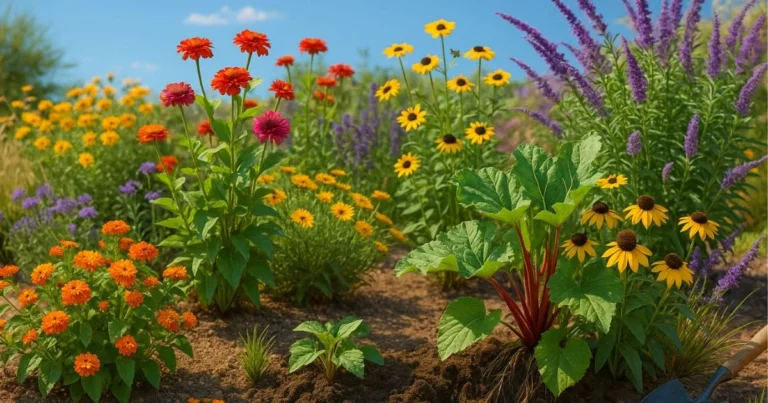
Front Yard Plants: 10 Inspiring Ideas for Flower Beds That Transform Your Home
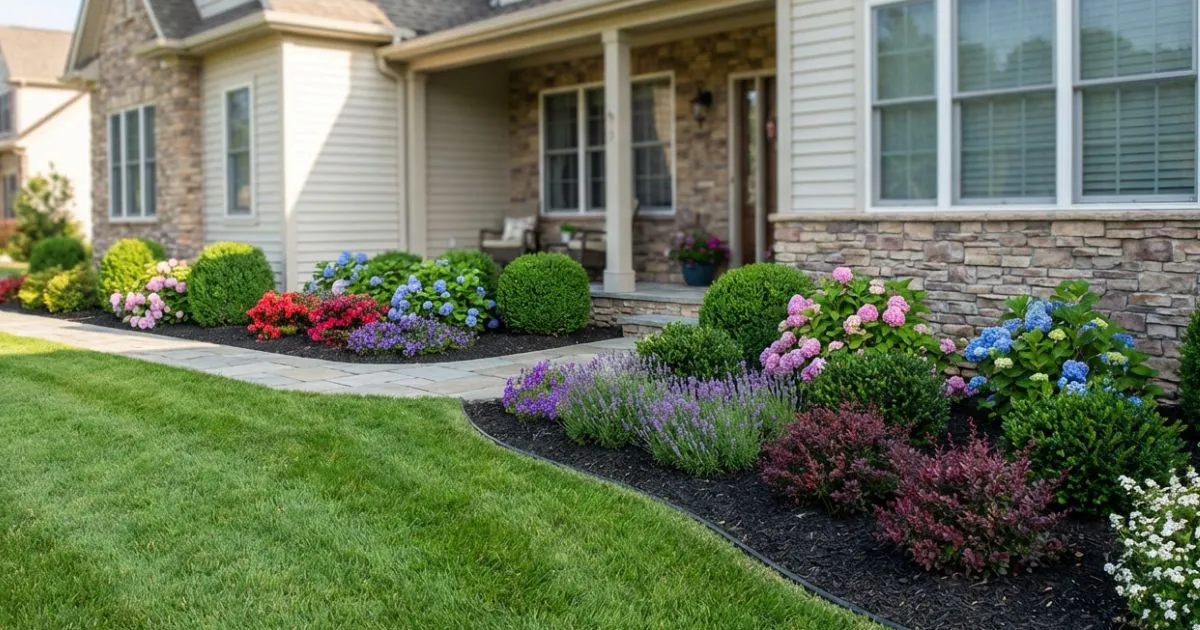
A Warm Welcome: Why Your Flower Beds Matter
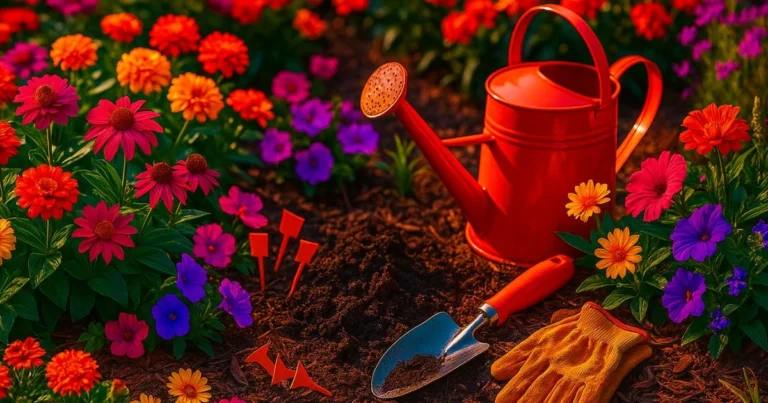
When you walk toward your front door after a long day, there’s a quiet moment where the world feels softer. Maybe it’s the warm colors from blooming petals, the fresh scent drifting through the air, or the gentle ripple of foliage moving with the breeze. These small details become the emotional heartbeat of a home’s entrance, and you feel the difference the instant you see them.
If you’ve ever stood in your yard and thought, “I wish this looked more inviting,” you’re already on the edge of something exciting. With the right front yard plants, a clear plan, and approachable flower-bed ideas, your outdoor space can turn into a welcoming landscape that reflects your personality and sets the tone for your home.
To help you get there, this guide gives you proven design ideas, maintenance tips, and practical steps you can use today—plus internal and external resources that expand your knowledge even further.
Table of Contents
Understanding the Basics of Flower Bed Design
Before you start sketching layouts or buying plants, you’ll want to understand a few fundamentals. These basics help you avoid common mistakes and make sure your flower beds last for years.
How to Choose the Best Front Yard Plants for Your Space
Your front yard isn’t identical to anyone else’s, which is why plant choice matters. Sunlight, soil condition, climate, and yard layout all affect how well your flower beds will perform.
Sunlight & Placement Essentials
Observe how sunlight moves across your yard:
- Full sun (6+ hours): Roses, lavender, coneflowers
- Partial shade (3–6 hours): Astilbes, foxglove, columbine
- Full shade (0–3 hours): Hostas, ferns, impatiens
Helpful External Resources
- USDA Hardiness Zones: https://planthardiness.ars.usda.gov
- Royal Horticultural Society Plant Finder: https://www.rhs.org.uk/plants
Internal Link Example
For a deeper guide on plant selection, visit your site’s article:
/how-to-choose-plants-for-your-yard
Why Soil Quality Determines Flower Bed Success
Healthy, nutrient-rich soil ensures strong root systems and vibrant growth. When your soil contains enough organic matter—ideally 5–6%—your front yard plants absorb nutrients more efficiently and resist stress better.
Your Soil-Preparation Checklist
- Test your soil pH
- Mix in compost or aged manure
- Break up compacted soil
- Add mulch for water retention
To explore soil improvement techniques further, see your internal guide:
/improve-garden-soil
10 Inspiring Flower Bed Ideas Featuring Front Yard Plants
Each idea below blends style with practicality, giving you options for every yard size and climate.
1. Layered Color Border Beds
Layered borders create a sense of movement and a rich, full appearance that works beautifully along fences, walkways, driveways, or your home’s foundation.
How to Arrange Layers
- Back row – tall plants (hollyhocks, ornamental grasses)
- Middle row – medium height (daisies, peonies, coneflowers)
- Front row – ground-huggers (creeping phlox, alyssum)
This arrangement draws the eye naturally and adds depth to your landscape.
2. Curved Flower Beds Along Walkways
Curved lines soften the look of your yard and make the journey to your door feel warm and welcoming.
Recommended Plants
- Hydrangeas
- Russian sage
- Creeping thyme
- Blue fescue
For walkway design inspiration, explore:
https://www.alamodeus.com/landscape-design
(External link is dofollow.)
3. Low-Maintenance Perennial Flower Beds
If you love beauty but want minimal upkeep, perennials are the way to go. They return each year and often expand naturally.
Best Choices for Effortless Beauty
- Sedum “Autumn Joy”
- Black-eyed Susans
- Coreopsis
- Lavender
- Yarrow
For internal reference, visit:
/best-low-maintenance-plants
4. Cottage-Style Flower Beds
Cottage beds have a romantic, whimsical feel with overflowing blooms and layered textures.
How to Achieve the Look
- Combine roses, daisies, sweet peas
- Add taller accents like delphinium
- Allow plants to spill softly over paths
- Mix in herbs like sage or thyme
This style gives your front yard a dreamy, storybook charm.
5. Native Plant Flower Beds
Native plants offer several advantages—they support local ecosystems, manage water better, and are well-adapted to your climate.
Why They Work So Well
- Less watering
- Higher disease and pest resistance
- Better survival in extreme weather
Discover native plants for your region at the Xerces Society:
https://www.xerces.org
6. Modern Minimalist Flower Beds
If you love clean lines and a contemporary look, minimalist beds are perfect. They emphasize structure, repetition, and bold shapes.
Great Plants for Modern Designs
- Allium
- Boxwood
- Agave or sculptural succulents
- Japanese forest grass
Create symmetry by repeating plants in rows or geometric patterns.
7. Rock Garden Flower Beds
Rock gardens shine in sloped areas, dry spaces, or minimalist landscapes.
Top Rock Garden Plants
- Sedum
- Blue spruce sedge
- Ice plant
- Yucca
- Creeping thyme
They pair beautifully with gravel walkways or stone accents.
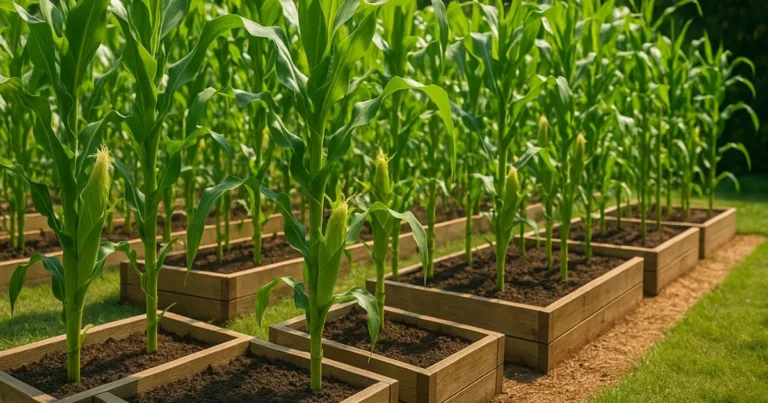
8. Raised Flower Beds for Extra Definition
Raised beds give your garden a sharper, more structured appearance while improving drainage and accessibility.
Benefits You’ll Appreciate
- Easier planting and weeding
- Perfect for poor soil areas
- Creates clean, architectural lines
Consider matching the materials—wood, stone, metal—to your home’s exterior.
9. Seasonal Rotation Flower Beds
Seasonal planting ensures color all year long and keeps your front yard visually interesting.
Seasonal Planting Guide
Spring: Tulips, primroses, hyacinths
Summer: Dahlias, zinnias, geraniums
Fall: Asters, mums, ornamental cabbage
Winter: Evergreens, hellebores, pansies
For deeper planning strategies, see your internal page:
/year-round-garden-color
10. Flower Beds Around Trees & Focal Points
Trees make stunning focal points for circular or crescent-shaped flower beds.
Shade-Friendly Choices
- Hostas
- Ferns
- Astilbe
- Coral bells
- Lungwort
Just be sure not to mound soil against the tree trunk—this can cause rot.
Garden Bed Soil Mix Recipe
Proper soil structure ensures your front yard plants thrive. Here’s a reliable recipe you can use for new or refreshed beds.
Ideal Soil Mix for Flower Beds
| Ingredient | Amount | Purpose |
|---|---|---|
| Compost | 40% | Nutrients & soil structure |
| Topsoil | 40% | Primary growing medium |
| Perlite/Sand | 10% | Drainage improvement |
| Organic Mulch | 10% | Moisture retention |
Instructions
- Blend ingredients thoroughly.
- Add water until the soil becomes moist and crumbly.
- Fill beds to at least 6–12 inches deep.
- Replenish compost yearly for best results.
Maintenance Tips for Long-Lasting Flower Beds
You don’t need hours of upkeep to maintain vibrant flower beds—just consistent care and smart habits.
Watering Tips
- Water early in the morning
- Deep-water instead of lightly sprinkling
- Use drip irrigation for efficiency
Fertilizing Schedule
- Apply slow-release fertilizer twice per year
- Topdress with compost in spring and fall
- Avoid excess nitrogen
Weed Control Strategies
- Maintain a 2–3 inch mulch layer
- Pull weeds before they seed
- Use landscape fabric only for annual beds
FAQ: Front Yard Plants & Flower Bed Ideas
What are the best front yard plants for year-round color?
Mix evergreen shrubs, hellebores, sedum, and seasonal annuals to ensure constant interest.
How do I design flower beds for a small front yard?
Use vertical plants, compact perennials, and curved borders to expand the visual space.
What soil mix works best for front yard plants?
A blend of compost, topsoil, and a drainage agent like perlite ensures balanced nutrition and moisture control.
How can I keep my flower beds low maintenance?
Choose native plants, mulch generously, and use automated watering systems.
Conclusion: Bring Your Front Yard to Life
Your front yard tells your home’s story long before someone steps inside. With carefully chosen flower bed designs and the right front yard plants, you create a warm, welcoming atmosphere that reflects your personality and enhances your property’s curb appeal.
Whether you prefer cottage charm, modern simplicity, or natural native gardens, you now have everything you need to start creating a yard you’ll love coming home to. Each idea in this guide is designed to help you turn inspiration into action, one bed at a time.