14 Beautiful Flowers to Grow Indoors That Are Surprisingly Easy
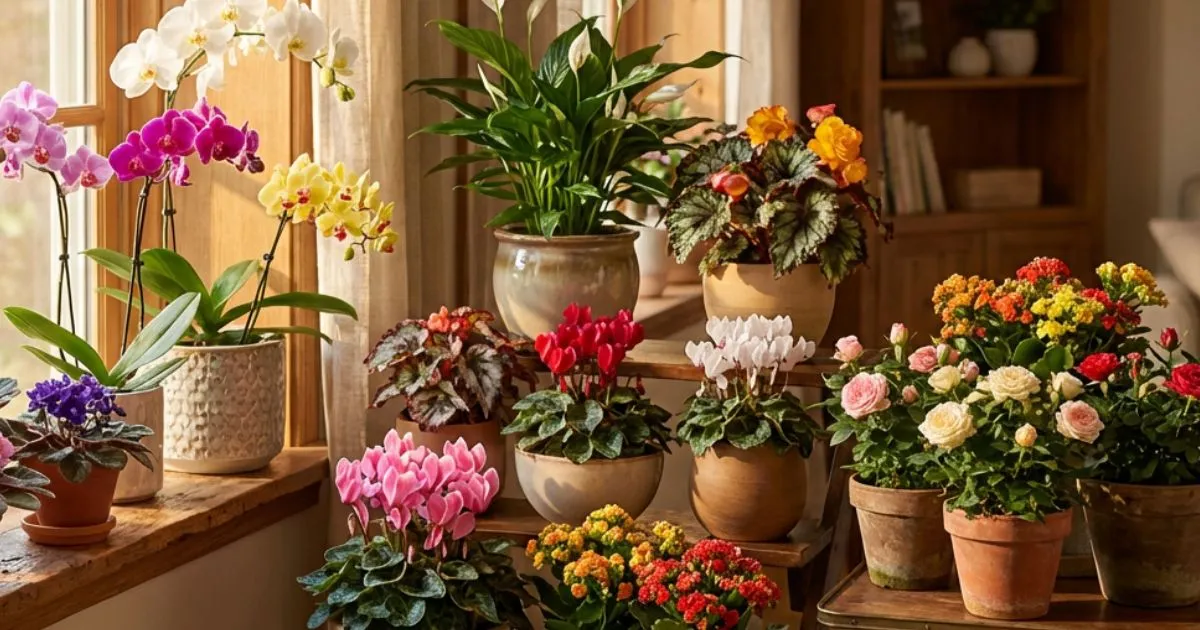
There’s something special about having a living burst of color inside your home. Maybe you’ve had those moments where the room feels a little too quiet, a little too still, and you think, “This space needs life.” Sometimes it’s a small pot on a windowsill. Sometimes it’s a vibrant bloom that catches your eye when you walk in the door. Growing flowers to grow indoors gives you exactly that—beauty that greets you every day, no matter the weather or the season.
You don’t need years of gardening experience or an entire sunroom to enjoy flowering plants inside your home. With the right varieties, you can grow blossoms in apartments, small homes, shaded rooms, or bright kitchens. Many indoor flowers thrive with minimal care, and once you understand their basic needs, they reward you with cheerful colors, delicate scents, and a calming presence that’s hard to describe until you’ve felt it yourself.
Think of this guide as your shortcut to creating that feeling. Here, you’ll find flowers that are forgiving, adaptable, and easy for beginners. You’ll also learn how to arrange them, care for them, and keep them blooming for as long as possible—all without stress or complicated routines. Whether you’re looking to brighten one corner of your home or build a full indoor collection, these flowers will help you bring your space to life.
Table of Contents
Understanding the Basics of Growing Flowers Indoors
Indoor flowers behave a little differently from outdoor ones, simply because the environment is more controlled. Once you understand the basics—light, water, soil, and temperature—you’ll be able to grow flowering plants with confidence.
Light Requirements
Indoor flowers rely heavily on the type of light they receive. Some varieties love bright sunlight, while others prefer gentle, filtered brightness. Paying attention to where light enters your home can make all the difference.
Here’s a quick guide:
- Bright, direct light: south-facing windows or sunrooms
- Bright but indirect light: east- or west-facing windows
- Low light: north windows or shaded corners
If your home doesn’t receive much light, you can still grow most flowers using a small LED grow lamp. Modern lights are energy-efficient, compact, and easy to use—some clip directly onto shelves or pots.
Watering Needs
Most indoor flower problems come from watering too often. It’s tempting to give plants “just a little extra,” but roots need air pockets to stay healthy.
To avoid overwatering:
- Let the soil dry slightly before adding more water
- Always use room-temperature water
- Choose pots with drainage holes
- Empty saucers after watering
Think of watering as giving a deep drink, then letting the soil rest. This encourages healthier root systems and longer-lasting blooms.
Soil & Potting Mix
The right soil mix helps indoor flowers stay strong and moisture-balanced. Unlike outdoor soil, indoor potting mix is designed to stay airy and lightweight.
A good mix includes:
- Standard potting soil
- Coco coir or peat moss
- Perlite for drainage
If you want more detailed soil tips for specific flowers, you can check plant experts at:
https://www.rhs.org.uk/plants
Indoor Temperatures & Climate
Most flowers to grow indoors prefer moderate, stable temperatures. They thrive best when you maintain:
- 65–75°F (18–24°C) during the day
- Slightly cooler temps at night
To keep your flowers comfortable, avoid:
- Cold drafts
- Radiator heat
- Sudden temperature changes
- Air from AC vents
Indoor flowers are happiest in consistent conditions where they aren’t shocked by swings in air temperature.
14 Easy Flowers to Grow Indoors That Practically Care for Themselves
These are the best low-maintenance indoor flowers for beginners, busy households, or anyone wanting instant color without stress.
1. African Violets
African violets are one of the most popular flowers to grow indoors because of their compact size and constant blooming potential. They come in purple, pink, red, white, and bicolor varieties.
Why they’re easy:
- Bloom several times per year
- Prefer bright, indirect light
- Thrive in small pots
Perfect for windowsills or desks.
2. Peace Lily
Peace lilies bring elegance with their soft white blooms and glossy leaves. They also help clean the air, making them wonderful for bedrooms or living rooms.
What makes them simple:
- Grow well in low light
- Tell you when they need water by gently drooping
- Adaptable to different rooms
3. Begonias
Begonias offer gorgeous leaves and flowers. With hundreds of varieties, you’ll always find one that fits your light levels and color preference.
Why they work indoors:
- Prefer indirect sunlight
- Bloom repeatedly
- Adapt to containers easily
4. Orchids
Despite their reputation, orchids are far easier than people think. Many varieties bloom for months and require very little care.
What makes them beginner-friendly:
- Only need watering once a week
- Love indirect light
- Long-lasting blooms
5. Kalanchoe
Kalanchoe is a bright, cheerful succulent that thrives indoors with almost no attention.
Best features:
- Drought tolerant
- Rounded clusters of tiny flowers
- Perfect for sunny windows
6. Anthurium
If you want something vibrant and tropical, anthurium delivers with its glossy heart-shaped flowers.
Why you’ll love it:
- Blooms for months
- Prefers humidity (ideal for bathrooms)
- Minimal watering needed
7. Geraniums
Geraniums aren’t just outdoor plants—they make excellent indoor flowers too.
Indoor advantages:
- Bloom for a long time
- Light fragrance
- Great for bright rooms
8. Jasmine
With jasmine, you get both beauty and breathtaking fragrance. Its small white blooms fill your home with a sweet scent.
Growing perks:
- Loves bright light
- Works well as a trailing or climbing plant
- Long-lasting blooms
9. Mini Roses
Mini roses bring the classic look of roses in a compact, indoor-friendly size.
They thrive when you:
- Provide bright sunlight
- Keep the soil slightly moist
- Place in cooler areas
10. Cyclamen
Cyclamen produce delicate, butterfly-like flowers and patterned leaves, making them perfect for decorative indoor displays.
Great qualities:
- Prefer cooler rooms
- Bloom in winter
- Perfect for window ledges
11. Amaryllis
Amaryllis produces some of the most dramatic indoor flowers you can grow—huge blooms from a simple bulb.
Why they’re ideal:
- Extremely easy to plant
- Fantastic holiday display
- Large, bold petals
12. Christmas Cactus
Christmas cactus is a reliable annual bloomer. It’s nearly impossible to kill and thrives in many indoor environments.
Why it stands out:
- Prefers indirect light
- Needs very little water
- Blooms every winter
13. Oxalis
Oxalis is known for its deep purple triangular leaves and soft blooms that open and close with daylight.
Why it’s unique:
- Gorgeous foliage
- Moderate light needs
- Low maintenance
14. Impatiens
Impatiens are perfect if you want color in rooms with low natural light.
Top benefits:
- Excellent shade-growers
- Compact and colorful
- Need simple weekly care
How to Arrange Indoor Flowers for Beautiful Displays
How you arrange your indoor flowers can significantly influence how your home looks and feels. You don’t need fancy décor—just a few simple guidelines.
Layer Your Plants for Depth
A natural way to display indoor flowers is by arranging them by height:
- Tall plants in the back (orchids, amaryllis)
- Medium-sized flowers in the middle (begonias, anthurium)
- Small plants up front (African violets, kalanchoe)
This creates a layered, full appearance similar to a professionally designed garden.
Display Ideas for Indoor Spaces
Try these creative placement ideas:
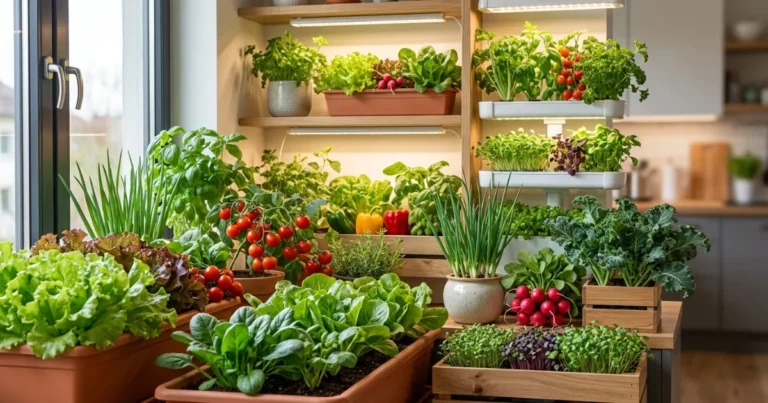
- Windowsill gardens
- Floating shelves
- Hanging planters
- Tiered stands
- Corner clusters
Mixing leaf textures, shapes, and pot styles can help your space feel balanced and intentional.
Color-Themed Indoor Arrangements
Color-coordinating your flowers gives your room a themed look:
- Warm tones: oranges, reds, yellows
- Cool tones: blues, purples, whites
- Soft neutrals: creams, blush pinks, pale lavender
Color themes help your flower displays look more cohesive.
Soil Mix Recipe for Indoor Flowers
Here’s a reliable soil blend that works for most flowers to grow indoors.
Indoor Flower Soil Mix
| Ingredient | Amount | Purpose |
|---|---|---|
| Potting Soil | 50% | Base support for roots |
| Perlite | 20% | Improves drainage |
| Coconut Coir | 20% | Helps retain moisture |
| Compost | 10% | Provides nutrients |
Instructions
- Mix ingredients thoroughly.
- Add warm water until lightly moist.
- Fill pots about three-quarters full.
- Add mulch only if needed for moisture control.
Maintenance Tips for Indoor Flower Success
Watering Tips
- Water deeply but infrequently
- Avoid soaking roots
- Empty pot saucers
- Adjust watering based on climate and season
Feeding and Fertilizing
- Use diluted fertilizer every 4–6 weeks
- Choose bloom-enhancing formulas
- Flush soil occasionally to avoid salt buildup
- Add compost tea for a natural nutrient boost
Lighting and Placement
- Rotate plants weekly
- Clean leaves to help them absorb more light
- Keep flowers away from direct hot drafts
These small habits go a long way in keeping your flowers vibrant.
FAQ About Flowers to Grow Indoors
What are the easiest flowers to grow indoors?
African violets, kalanchoe, peace lilies, and anthurium are among the easiest.
Which indoor flowers bloom the longest?
Orchids, African violets, geraniums, and amaryllis bloom for extended periods.
Which indoor flowers grow well in low light?
Peace lilies, impatiens, and some begonias do well in dim rooms.
Do indoor flowers need fertilizer?
Yes—monthly feeding keeps them blooming consistently.
How often should I water indoor flowers?
Usually once a week, depending on temperature, humidity, and soil type.
Conclusion
Bringing flowers to grow indoors into your home is one of the simplest ways to make your environment feel brighter, softer, and more welcoming. Whether you’re choosing a single pot to liven up your workspace or creating an indoor garden full of color, each flower adds something unique to your space.
You don’t need special skills or complicated routines—just the willingness to start. Every bloom you grow becomes a part of your daily rhythm, adding a little calm, a little beauty, and a little reminder that nature is always within reach, even indoors.