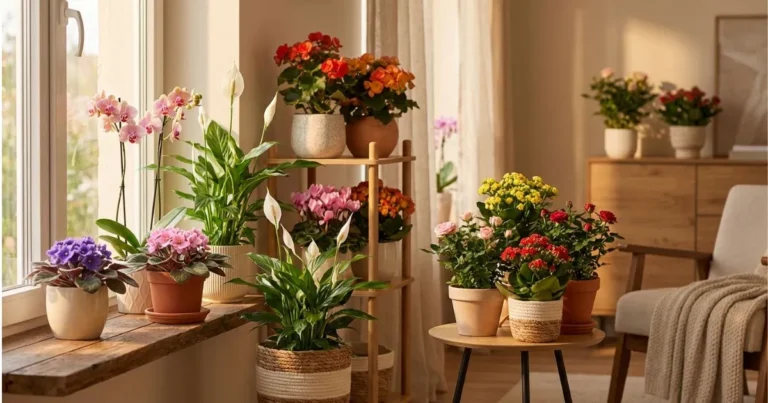
20 Flowers Easy to Grow for Beginners Who Want Instant Color
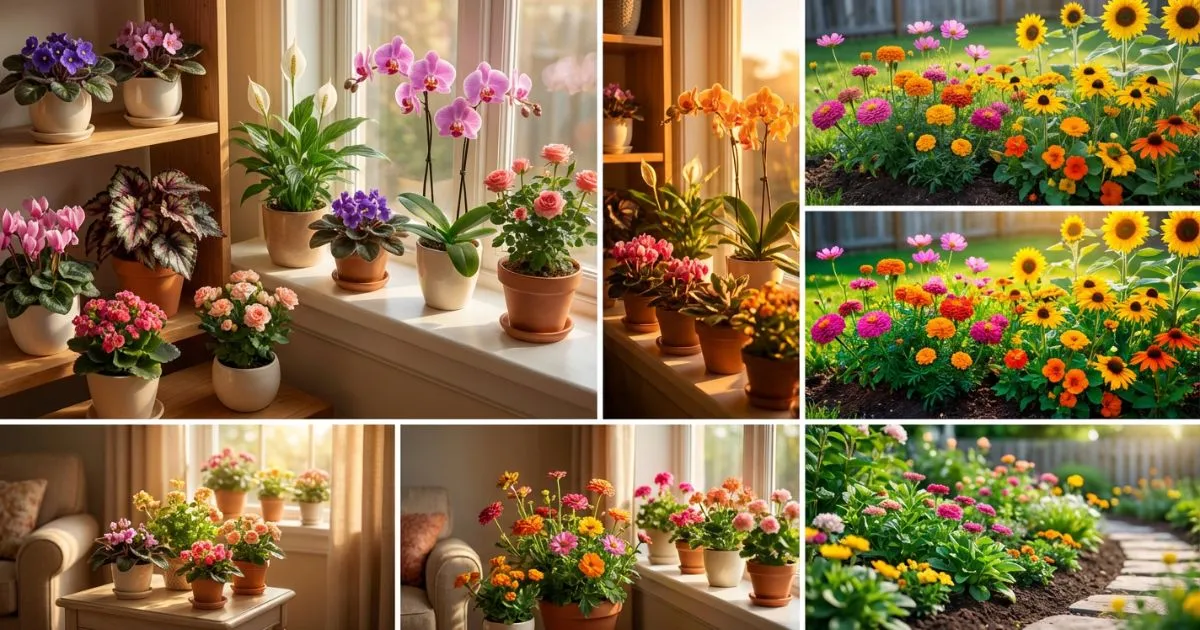
There’s something powerful about seeing a burst of color in your own space. Maybe you’ve walked past a neighbor’s yard or a local park and felt that gentle tug—“I wish I could grow something like that.” Maybe you’ve planted flowers before and watched them wilt, leaving you frustrated and convinced that gardening just isn’t for you.
But what if the problem wasn’t you at all? What if you simply chose plants that needed more time, more sunlight, or more attention than you had to give?
The truth is, some blooms are naturally forgiving. Some flowers don’t care if you forget to water them for a day…or three. Some don’t fuss about the soil you use, or the sun your home gets, or the amount of gardening experience you have. These are the kinds of flowers easy enough for anyone to grow—especially you.
When you choose the right varieties, gardening transforms from something intimidating into something joyful. You get to enjoy color, fragrance, and beauty without all the stress, and that small shift can change how your outdoor or indoor space feels every day.
This article will walk you through the most flowers easy for beginners, how to plant them, how to care for them, and how to avoid common mistakes, so you can enjoy a garden that feels alive and effortless.
Table of Contents
What Makes Flowers Easy to Grow?
Some flowers practically take care of themselves, and understanding WHY makes it easier for you to choose plants that fit your lifestyle.
Key Qualities of Beginner-Friendly Flowers
When you’re picking flowers easy for beginners, look for varieties that offer:
- Fast germination — they sprout quickly, so you stay motivated
- Drought tolerance — perfect if you occasionally forget to water
- Pest resistance — fewer headaches dealing with bugs
- Flexible sunlight needs — some thrive even in shade
- Strong disease resistance
- Adaptability to different soils
- Long blooming seasons
These qualities make gardening more enjoyable and less demanding.
Environmental Factors That Affect Growth
Even the easiest flowers have preferences.
Sunlight Levels
- Full sun: 6+ hours of direct sunlight
- Partial shade: bright but softened light
- Shade: 2–4 hours of mild light
Watering
Some easy flowers thrive on deep but infrequent watering.
Soil
Loose, well-draining soil helps roots expand.
Climate
If you’re unsure, check your USDA Plant Hardiness Zone:
https://planthardiness.ars.usda.gov
Space
Whether you’re planting in pots or beds affects which flowers thrive.
20 Flowers Easy Enough for Anyone to Grow
Below are twenty reliable blooms proven to thrive with minimal effort.
1. Marigolds – Bright, Reliable, and Pest-Resistant
Marigolds are sunshine in plant form. They tolerate heat, grow quickly, and deter pests naturally—great for beginner gardeners and vegetable beds.
2. Zinnias – Fast-Growing Color Bursts
Zinnias sprout quickly and bloom in nearly every color imaginable. They attract butterflies and thrive in hot, sunny areas.
3. Sunflowers – The Classic, Cheerful Bloom
Sunflowers practically grow themselves. They’re great for kids, thrive in poor soil, and produce cheerful blooms that follow the sun.
4. Cosmos – Delicate Petals That Love Neglect
Cosmos prefer poor soil and minimal water, making them ideal for beginners. They self-seed easily, giving you free flowers next year.
5. Calendula – Vibrant Color and Medicinal Uses
Calendula grows well in cool weather and blooms repeatedly. It’s edible, medicinal, and beautiful—an incredible multitasker.
6. Impatiens – Shade-Loving, Colorful Blooms
If you have shaded patios or porches, impatiens give you bright, full color in places other flowers dislike.
7. Nasturtiums – Edible and Effortless
These cheerful flowers grow in bad soil and come with edible leaves and petals. Perfect for salads and summer dishes.
8. Petunias – Long-Blooming Garden Workhorses
Petunias bloom from spring to fall with minimal effort. They’re perfect for hanging baskets, pots, or garden beds.
9. Black-Eyed Susans – Tough, Heat-Loving Perennials
These warm gold flowers thrive in heat, require little water, and attract butterflies.
10. Coneflowers – Native Beauties That Love Sun
Coneflowers (echinacea) bloom for months, attract pollinators, and require very little attention once established.
11. Sweet Alyssum – Fragrant, Fast-Spreading Groundcover
Alyssum creates a soft carpet of delicate flowers with a sweet scent. It’s perfect for edging and pathways.
12. Dianthus – Cottage Garden Charm with Little Effort
Dianthus offers small, clove-scented blooms and thrives in containers, beds, and borders.
13. Lavender – Fragrant, Drought-Tolerant Classic
Lavender loves heat, sun, and dry soil—making it one of the best flowers easy for beginners.
14. Pansies – Cheerful Faces in Cool Weather
If you want early spring or fall color, pansies deliver. They thrive in cooler temperatures and brighten any space.
15. Geraniums – Colorful Blooms with Little Commitment
Geraniums are forgiving and long-blooming. They work well in pots, making them easy for apartment gardeners.
16. Morning Glories – Fast, Climbing Vines
Morning glories grow rapidly and cover fences or trellises with ease—great for vertical gardening.
17. Snapdragons – Easy, Upright Color Spikes
Snapdragons thrive in cool seasons and attract hummingbirds. They’re perfect for early spring gardens.
18. Dahlias – Surprisingly Beginner-Friendly
Despite their big blooms, dahlias grow easily from tubers and reward you with dramatic color.
19. Phlox – Fragrant, Soft Carpets of Color
Phlox spreads gently and fills your garden with soft pastel hues and a sweet scent.
20. Yarrow – Nearly Indestructible Blooms
Yarrow is one of the toughest flowers easy for beginners. It thrives in poor soil, heat, and drought.
Planting Guide for Flowers Easy for Beginners
Step-by-Step Planting Process
1. Prepare the Soil
- Loosen 6–8 inches of soil
- Add compost
- Remove rocks
- Level the surface
2. Plant Seeds or Seedlings
- Follow seed packet depth
- Space flowers for airflow
3. Water Correctly
- Water deeply, not frequently
- Best time: mornings
- Avoid overhead watering
4. Add Mulch
Mulch helps retain moisture and prevents weeds.
Soil Mix Recipe for Easy Flower Beds
Best Soil Mix for Beginners
| Ingredient | Amount | Purpose |
|---|---|---|
| Compost | 40% | Nutrients |
| Topsoil | 40% | Structure |
| Perlite | 10% | Drainage |
| Mulch | 10% | Moisture control |
How to Use This Mix
- Blend ingredients
- Fill beds or pots
- Water lightly
- Add mulch on top
Maintenance Tips for Long-Lasting Blooms
Watering Tips
- Water 1–2 times weekly
- Let soil dry slightly
- Use room-temperature water
Fertilizer Tips
- Use slow-release fertilizer
- Add compost twice yearly
- Avoid overfeeding
Sunlight Tips
- Track daily sun exposure
- Rotate pots weekly
- Shade delicate blooms during heatwaves
Common Mistakes to Avoid
Overwatering
Most beginner issues stem from too much water.
Planting Too Deep
This slows germination and reduces growth.
Choosing the Wrong Location
Sun-loving flowers struggle in shade.
Ignoring Deadheading
Removing old blooms encourages new ones.
FAQ About Flowers Easy for Beginners
What are the flowers easy enough for anyone to grow?
Marigolds, zinnias, sunflowers, and lavender.
Which flowers grow quickly with little care?
Zinnias, cosmos, and morning glories.
Which flowers grow well in shade?
Impatiens, sweet alyssum, and pansies.
Do beginner-friendly flowers need fertilizer?
Not always, but light feeding helps.
Which flowers are easiest to grow from seed?
Sunflowers, nasturtiums, and zinnias sprout fast.
Conclusion
Gardening doesn’t have to be complicated. With the right flowers easy enough for anyone to grow, your garden becomes a place of joy instead of stress. These blooms don’t ask for perfection; they ask for simple attention, occasional watering, and a bit of sunlight. In return, they fill your home or garden with color, movement, and life.
Start with just a few varieties. See what grows. Notice how your space shifts, how your mood shifts, and how satisfying it feels to watch something you planted thrive.
You’re more capable than you think—your garden will prove it.