14 Tips for Planting Herbs in Pots: The Complete Guide to Garden Herb Planters
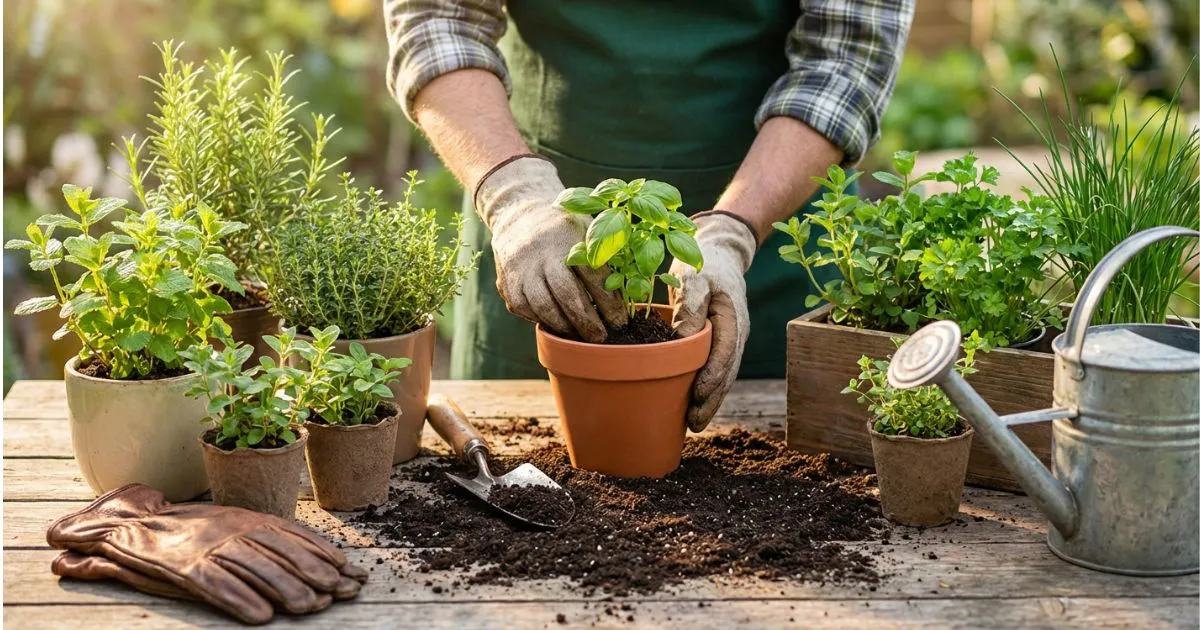
There’s something special about being able to walk over to a pot on your balcony or kitchen counter, pinch a leaf of basil, catch its scent, and feel a quiet sense of accomplishment. Even if you’ve never considered yourself a gardener, the act of nurturing an herb—just one pot of something green—has a way of grounding you. It slows you down just enough to savor a moment of peace in your day.
Maybe you’ve bought herbs from the store and watched them wilt before you could use them. Maybe you’ve thought about starting a small garden but felt overwhelmed by the idea of digging beds or managing a full outdoor space. Or maybe you’ve simply admired how others grow herbs so effortlessly.
What you might not realize is that planting herbs in pots is one of the easiest, most rewarding ways to begin gardening—even if you’ve never lifted a trowel before. Containers make everything more flexible, more controlled, and more beginner-friendly. You don’t need a yard. You don’t need gardening experience. You just need a pot, some soil, and the desire to grow something you can use and enjoy.
This guide walks you through the best herbs to grow in pots, how to prepare soil, what types of containers work best, how to care for your herb planters, and how to troubleshoot common issues along the way. Whether you’re a complete beginner or simply looking to simplify your gardening routine, you’ll find everything you need to grow flavorful, fragrant herbs right where you live.
Table of Contents
Why Planting Herbs in Pots Is the Perfect Choice for Any Home
Growing herbs in pots offers simplicity, flexibility, and an enormous amount of convenience. When you plant herbs in containers, you instantly avoid many of the challenges that come with in-ground gardening.
Key Advantages of Garden Herb Planters
Here’s why planting herbs in pots works so well for people with any level of gardening experience:
- Great for small spaces — balconies, windowsills, patios, small porches
- Manageable watering — ideal for people with busy schedules
- Portability — you can move your herbs to catch better sunlight
- Cleaner, easier harvesting — no bending or digging required
- Minimal weeds — pots naturally limit weed growth
- Less soil-borne disease — container soil is more controlled
- Indoor or outdoor flexibility — grow herbs year-round with the right light
You create your own micro-garden that adapts to your environment instead of the other way around.
Who Benefits Most From Container Herb Gardening?
You’ll love container herb gardening if you:
- Live in an apartment
- Have limited outdoor space
- Want herbs close to your kitchen
- Prefer a low-maintenance setup
- Grow seasonal herbs and bring them indoors during winter
- Want a simple, beautiful introduction to gardening
Containers give you freedom—freedom to experiment, freedom to learn, and freedom to grow herbs any time of year.
Avoiding Common Beginner Mistakes
Before you get started, here are the major pitfalls to avoid:
Using Pots Without Drainage
Roots drown quickly without proper drainage holes.
Overwatering
This is the most common cause of beginner herb loss. Most herbs prefer slightly dry soil.
Combining the Wrong Herbs Together
Some herbs thrive together; others clash in watering needs.
Using Garden Soil Instead of Potting Mix
Garden soil compacts in pots and suffocates roots.
Ignoring Sunlight Requirements
Some herbs love sun; others burn easily.
If you want more science-backed details on herb requirements, you can explore the Royal Horticultural Society herb database:
👉 https://www.rhs.org.uk/herbs
The 12 Best Herbs for Planting Herbs in Pots
Below are the easiest, most reliable herbs to grow in containers.
1. Basil – The Sunshine Herb That Loves Containers
Basil’s fragrance alone is enough reason to grow it. It thrives in warm light and responds quickly to frequent harvesting.
Why Basil Loves Pots
- Warmth-loving
- Easy to prune
- Grows fast and full
Perfect for: pasta dishes, salads, soups.
2. Mint – Fresh, Fragrant, and Almost Unstoppable
Mint is ideal for beginners because it grows aggressively and adapts to many environments.
Growing Tips
- Should be grown alone — mint spreads quickly
- Tolerates partial shade
- Thrives with minimal care
Use it for teas, drinks, and desserts.
3. Rosemary – Drought-Tolerant and Perfect for Sunny Pots
If you sometimes forget to water your plants, rosemary is your best friend.
Why Rosemary Works in Pots
- Prefers dry soil
- Loves intense sunlight
- Great for deep containers
A fantastic addition to roasts and grilled dishes.
4. Thyme – Compact, Flavorful, and Perfect for Small Pots
Thyme grows happily in small spaces and has a wonderful aroma.
Ideal Conditions
- Full sun
- Minimal watering
- Light pruning
Great for soups, vegetables, and meats.
5. Parsley – Fresh, Versatile, and Beginner-Friendly
Parsley adapts well to both sunlight and shade.
Why It’s Easy
- Thrives in partial light
- Fast-growing
- Regrows after harvesting
Essential for everyday cooking.
6. Cilantro – Fast, Cool-Loving, and Flavor-Packed
Cilantro enjoys cooler temperatures and grows quickly.
Notes
- Bolts in heat — prefers spring/fall
- Grows fast from seed
- Best with consistent moisture
Perfect for tacos, curries, and salsas.
7. Chives – Perennial and Incredibly Reliable
Chives grow back every year and require little attention.
Best Features
- Cold tolerant
- Easy for first-time gardeners
- Flavorful and versatile
Great for eggs, soups, and potato dishes.
8. Oregano – Mediterranean Toughness in a Pot
Oregano thrives in warmth and dry soil.
How to Care for It
- Perfect for terracotta pots
- Loves sunlight
- Low watering needs
Use it in Italian, Greek, and Mediterranean recipes.
9. Sage – Robust, Earthy, and Beautiful in Planters
Sage’s soft, silvery leaves make it decorative as well as delicious.
Growing Needs
- Medium-to-large pot
- Full sunlight
- Occasional watering
Great with roasted meats and vegetables.
10. Dill – Tall, Airy, and Perfect for Deep Pots
Dill grows quickly, attracts pollinators, and offers amazing flavor.
Why It Works
- Loves sunlight
- Tall, deep roots
- Great for pickling and sauces
11. Lemon Balm – Fragrant and Soothing
This gentle herb works beautifully indoors or out.
Growing Notes
- Thrives in partial shade
- Fast-growing
- Perfect for teas and desserts
12. Tarragon – Elegant and Highly Underrated
Tarragon is a surprising but wonderful container herb.
Ideal Conditions
- Sunny location
- Light watering
- Terracotta pot recommended
Excellent for French dishes and seafood.
Choosing the Right Garden Herb Planters
Having the right container makes all the difference.
Best Types of Pots for Herbs
- Terracotta — prevents overwatering
- Ceramic — decorative and stylish
- Plastic — lightweight and easy to move
- Metal — modern but can heat up quickly
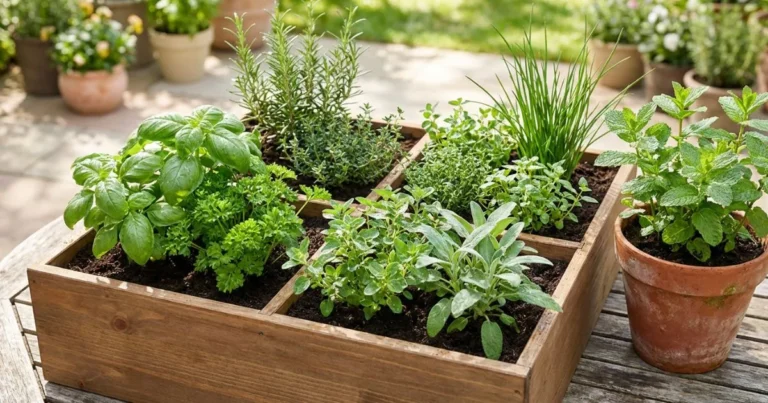
- Wood — rustic and great for clusters
- Fabric grow bags — breathable and spacious
- Vertical towers — great for small patios
- Hanging baskets — ideal for trailing herbs
What to Look For in a Good Herb Planter
Drainage
The #1 priority.
Depth
Herbs like dill, rosemary, and sage need deeper pots.
Breathability
Terracotta and fabric pots are ideal for airflow.
Durability
UV-resistant materials won’t crack outdoors.
Best Soil Mix for Planting Herbs in Pots
Here’s the ideal blend for container herb gardens.
Herb Soil Mix Recipe
| Ingredient | Amount | Purpose |
|---|---|---|
| Potting Soil | 50% | Nutrient base |
| Perlite | 20% | Aeration & drainage |
| Compost | 20% | Nutrient boost |
| Sand | 10% | Prevents waterlogging |
How to Use This Mix
- Combine ingredients thoroughly.
- Lightly moisten the soil.
- Fill your pot ¾ full.
- Plant your herb at the original soil depth.
- Water until soil settles evenly.
- Add mulch on top (optional).
For soil guidance, explore RHS resources:
👉 https://www.rhs.org.uk/soil-composts-mulches
How to Plant Herbs in Pots the Right Way
Step-by-Step Guide
1. Choose the Right Container
Match pot size to the herb’s root depth.
2. Add a Drainage Layer
Use small stones or broken ceramics.
3. Add Soil Mix
Avoid compacting the soil.
4. Place the Herb
Set the roots at the same depth as the nursery pot.
5. Water Gently
Moisture should soak in without pooling.
6. Position for Sunlight
Most herbs need 4–6 hours of light daily.
If indoors, consider a grow light:
👉 https://www.gardeners.com
Combining Herbs in a Single Pot
Herbs That Grow Well Together
Dry-Soil Mediterranean Group
- Rosemary
- Thyme
- Sage
- Oregano
Moist-Soil Group
- Parsley
- Cilantro
- Chives
Compatible Pair
- Basil + oregano
Herbs That Should Never Share a Pot
- Mint (too invasive)
- Dill + fennel (cross-pollination)
- Cilantro with dry-soil herbs
Watering, Sunlight, and Pruning Tips
Watering Tips
- Water when the top inch of soil is dry
- Use room-temperature water
- Avoid soaking roots
Sunlight Tips
- Full sun = 6 hours or more
- Rotate pots weekly
- Indoors? Add a grow light
Pruning Tips
- Pinch basil tops regularly
- Trim dead or yellowing leaves
- Harvest frequently for fuller growth
Common Problems & Solutions
Yellow Leaves
Usually caused by overwatering.
Leggy Herbs
Not enough sunlight—move to a brighter area.
Wilting
Either underwatering or heat stress.
Root Rot
Caused by wet soil. Use better drainage.
Pests
Use neem oil or soapy water spray.
Simple Herb Recipes You Can Make Today
1. Fresh Pesto
| Ingredient | Amount |
|---|---|
| Basil | 2 cups |
| Olive Oil | ½ cup |
| Parmesan | ½ cup |
| Pine Nuts | ⅓ cup |
| Garlic | 2 cloves |
2. Lemon Herb Butter
| Ingredient | Amount |
|---|---|
| Parsley | ¼ cup |
| Chives | ¼ cup |
| Butter | ½ cup |
| Lemon Zest | 1 tsp |
FAQ About Planting Herbs in Pots
What are the easiest herbs for planting herbs in pots?
Basil, mint, parsley, rosemary, thyme, and chives are beginner-friendly.
How deep should pots be for herbs?
Most need 6–10 inches; deep herbs need 12–14 inches.
Can you grow herbs indoors year-round?
Yes, as long as they get enough light.
How often should I water herbs?
Water when the top inch of soil dries out.
Which herbs should not be planted together?
Mint, dill + fennel, and cilantro with dry-soil herbs.
Conclusion
Growing your own herbs doesn’t require a backyard or elaborate setup. With planting herbs in pots, you get fresh flavors, beautiful scents, and a deeper connection to the food you make—right at your fingertips. You can start small with one or two pots or create a full herb collection that brightens your balcony, kitchen, or porch.
Every pot you plant is a small step toward more color, more flavor, and more joy in your daily life. And the best part? You’re more capable than you think. Your herb garden is waiting—you just need to begin.