15 Herb Planter Tips: The Complete Guide to Planting Herbs in a Planter
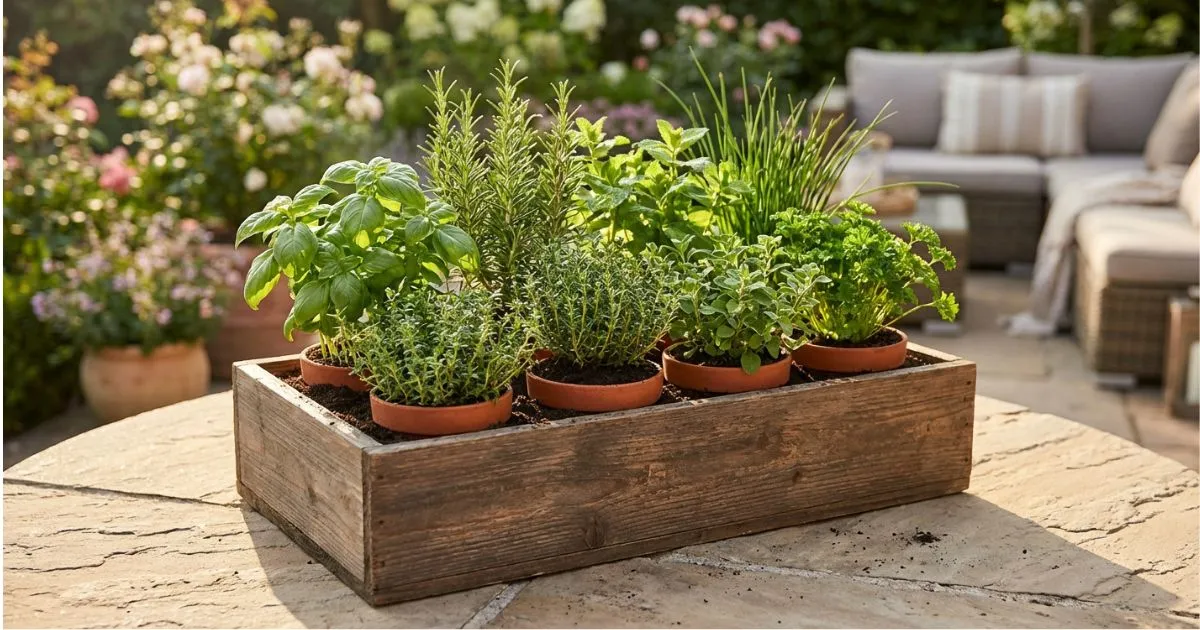
There’s something grounding about brushing your hand across a pot of fresh mint or basil sitting on your windowsill. The fragrance rises instantly, lifting your mood in a way that feels quiet and personal. Maybe it reminds you of meals you’ve cooked, summer afternoons spent outdoors, or moments when life felt just a little slower and more peaceful.
That’s the beauty of growing herbs. They add color, scent, and flavor to your daily routine. Even more meaningful is the knowledge that you grew them yourself—whether on a balcony, a porch, or right inside your kitchen. And you didn’t need a huge garden or years of experience to do it.
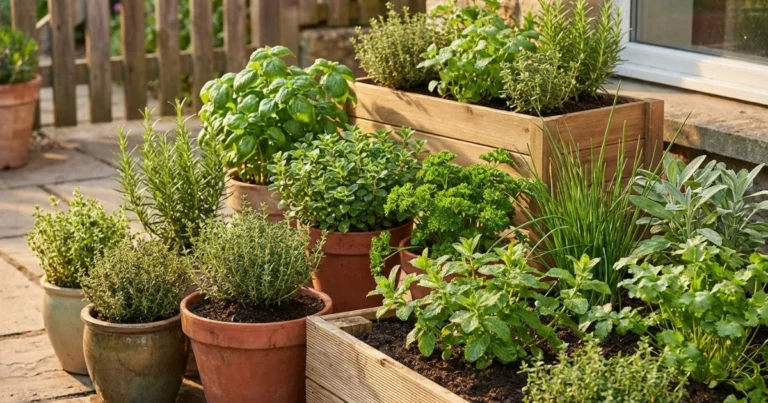
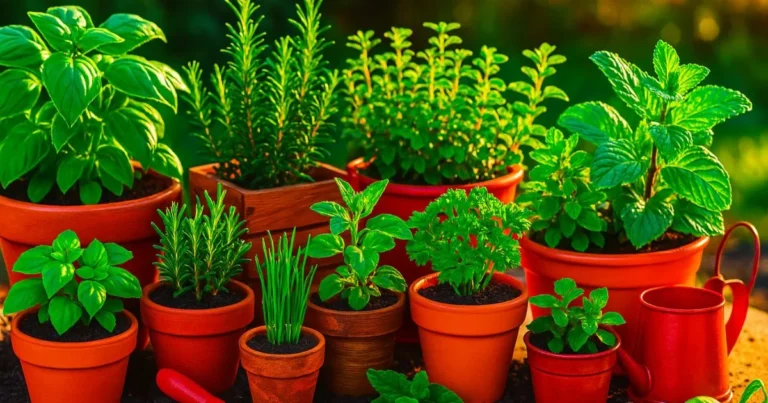
When you begin planting herbs in a herb planter, you make gardening simple, accessible, and rewarding. A herb planter gives you control. It lets you move your plants to sunlight, choose the best soil, and grow herbs even when space is tight. You’re not restricted by weather, poor soil conditions, or lack of room. Your planter becomes your miniature garden, one that you can shape and enjoy throughout the seasons.
This guide walks you through choosing the best herbs, planters, soil mixes, planting methods, recipe ideas, troubleshooting tips, and more. No matter your experience level, you’ll find that using a herb planter is one of the easiest and most satisfying ways to grow your own fresh herbs.
Table of Contents
Why a Herb Planter Is the Perfect Start for Any Gardener
The Benefits of Using a Herb Planter
Using a herb planter makes the entire gardening process feel manageable and enjoyable. Here’s why so many gardeners—beginners and experts—choose containers for their herbs:
- Fits any space — balconies, porches, patios, windowsills, or counters
- Cleaner growing — fewer weeds, pests, and diseases
- Easy to move — rotate your herb planter to catch more sunlight
- Customizable soil — you control the drainage, nutrients, and texture
- Simple maintenance — herbs are easier to water and prune in containers
- Works indoors or outdoors — herbs grow all year with proper light
- Beginner-friendly — no tilling, digging, or complicated setup
Container gardening makes your herb garden feel like it was designed for your life, not the other way around.
The Most Common Mistakes Beginners Make
If you’re using a herb planter for the first time, here are the pitfalls you’ll want to avoid:
Mistake 1: Using Planters Without Drainage
A herb planter with no drainage holes causes root rot, the fastest way to lose herbs.
Mistake 2: Overwatering
Most herbs enjoy slightly dry soil. Watering too often suffocates the roots.
Mistake 3: Combining Incompatible Herbs
Some herbs love sun and dry soil; others thrive in moisture and shade.
Mistake 4: Using Heavy Garden Soil
Garden soil compacts in containers, leading to poor airflow and drainage.
Mistake 5: Ignoring Light Requirements
Some herbs burn in full sun while others wilt in low light.
A helpful reference for light, temperature, and climate zones:
👉 https://planthardiness.ars.usda.gov/
The Best Herbs for Planting in a Herb Planter
Below are the top herbs that grow beautifully in containers, with care tips for each.
1. Basil – A Classic Favorite for Herb Planters
Basil grows quickly and rewards you with constant new leaves.
Ideal Conditions
- Warm temperatures
- Bright light
- Regular pruning
Perfect for pesto, salads, and Italian dishes.
2. Mint – Vigorous, Hardy, and Perfect for Beginners
Mint grows fast and doesn’t require much attention.
Ideal Conditions
- Partial shade
- Moist soil
- Grown alone to prevent spreading
Use it for teas, drinks, desserts, and salads.
3. Rosemary – Wonderful Aroma and Low Maintenance
Rosemary thrives in containers with good drainage and sunlight.
Ideal Conditions
- Full sun
- Infrequent watering
- Deep herb planter
Perfect for roasted meats and bread.
4. Thyme – Tough, Compact, and Flavorful
Thyme is small, hardy, and perfect for shallow herb planters.
Ideal Conditions
- Full sun
- Sandy, dry soil
- Minimal watering
Great in soups, vegetables, and marinades.
5. Parsley – Mild Flavor and Easy Growth
Parsley is forgiving and ideal for partial light environments.
Ideal Conditions
- Morning sun
- Moderate watering
- Medium-size herb planter
Great for garnishes, sauces, and salads.
6. Cilantro – Fast and Flavorful
Cilantro grows quickly and prefers cooler weather.
Ideal Conditions
- Partial shade
- Regular watering
- Frequent harvesting
Perfect for tacos, curries, and fresh dips.
7. Chives – Simple, Reliable, and Perennial
Chives are hardy and return year after year.
Ideal Conditions
- Partial or full sun
- Even moisture
- Small-to-medium herb planter
Excellent for omelets, soups, and potatoes.
8. Oregano – Sun-Loving and Strongly Flavored
Oregano thrives in dry conditions and full sunlight.
Ideal Conditions
- Terracotta planters
- Low watering
- Warm temperatures
Works well in Italian and Mediterranean cooking.
9. Sage – Beautiful, Silvery, and Delicious
Sage looks stunning in a herb planter and offers earthy flavor.
Ideal Conditions
- Full sun
- Light watering
- Medium-to-large planter
Great for roasted dishes and holiday meals.
10. Dill – Tall, Airy, and Perfect for Deep Planters
Dill grows quickly and needs space for its long roots.
Ideal Conditions
- Full sun
- Deep planter
- Consistent watering
Perfect for pickling and seafood dishes.
11. Lemon Balm – Gentle, Fragrant, and Easy
Lemon balm has a calming scent and grows beautifully in planters.
Ideal Conditions
- Partial shade
- Moist soil
- Regular trimming
Ideal for teas and desserts.
12. Tarragon – Mild, Elegant, and Underrated
Tarragon offers a unique flavor and grows well in terracotta planters.
Ideal Conditions
- Full sun
- Light watering
- Warm temperatures
Perfect for French cooking.
Choosing the Right Herb Planter
Your container choice has a huge impact on how well your herbs grow.
Best Types of Planters for Herbs
Terracotta
- Breathable
- Prevents overwatering
- Great for Mediterranean herbs
Ceramic
- Stylish and decorative
- Retains moisture well
- Heavy and stable
Plastic
- Lightweight
- Affordable
- Doesn’t breathe as well
Wooden Planters
- Rustic
- Holds moisture
- Needs lining to prevent rot
Fabric Grow Bags
- Extremely breathable
- Easy for root development
Vertical Herb Towers
- Great for small spaces
- Allows multiple herbs at once
Hanging Planters
- Perfect for trailing herbs
What to Look for in a Quality Herb Planter
Drainage Holes
The #1 requirement—no exceptions.
Correct Depth
- Shallow herbs: thyme, parsley
- Deep herbs: rosemary, sage, dill
Breathability
Terracotta and fabric allow airflow and reduce rot.
Durability
Outdoor planters should be UV and weather resistant.
Best Soil Mix for Herb Planters
A good soil mix is crucial to healthy container herbs.
Soil Mix Table
| Ingredient | Amount | Purpose |
|---|---|---|
| Potting Soil | 50% | Nutrient base |
| Perlite | 20% | Drainage & aeration |
| Compost | 20% | Nutrient boost |
| Sand | 10% | Keeps soil loose |
How to Prepare the Soil
- Blend ingredients well
- Slightly moisten the mix
- Fill the planter ¾ full
- Add the herb at original depth
- Backfill gently
- Water until evenly moist
For more soil tips, visit:
👉 https://www.rhs.org.uk/soil-composts-mulches
How to Plant Herbs in a Herb Planter (Step-by-Step)
1. Pick the Right Planter
Match the herb to the root depth it needs.
2. Add a Drainage Layer
Use pebbles or broken pottery.
3. Fill with Soil Mix
Light, airy soil helps herbs thrive.
4. Place the Herb
Keep roots level with the original soil line.
5. Water Thoroughly
But never let the planter sit in standing water.
6. Position for Sunlight
Most herbs need 4–6 hours of sunlight daily.
If growing indoors, consider a grow light:
👉 https://www.gardeners.com
Combining Herbs in a Herb Planter
Herbs That Grow Well Together
Mediterranean Group (Dry Soil)
- Rosemary
- Thyme
- Sage
- Oregano
Moisture-Loving Group
- Parsley
- Cilantro
- Chives
Compatible Pair
- Basil + oregano
Herbs That Should Never Share a Herb Planter
- Mint (too invasive)
- Dill with fennel (cross-pollination)
- Cilantro with dry-soil herbs
Watering, Sunlight, and Pruning Tips
Watering Tips
- Check soil before watering
- Water when top inch is dry
- Avoid soaking the roots
- Empty saucers
Sunlight Tips
- 4–6 hours for most herbs
- Shade herbs: mint, lemon balm
- Rotate weekly
Pruning Tips
- Pinch basil tops frequently
- Remove dead leaves
- Harvest regularly
Common Problems with Herb Planters and How to Fix Them
Yellow Leaves
Caused by overwatering.
Leggy Growth
Not enough sunlight.
Root Rot
Poor drainage or heavy soil.
Pests
Use neem oil, improve airflow.
Simple Herb Recipes Using Your Herb Planter Harvest
Basil Pesto
| Ingredient | Amount |
|---|---|
| Basil | 2 cups |
| Olive Oil | ½ cup |
| Parmesan | ½ cup |
| Pine Nuts | ⅓ cup |
| Garlic | 2 cloves |
Herb Butter Spread
| Ingredient | Amount |
|---|---|
| Parsley | ¼ cup |
| Chives | ¼ cup |
| Butter | ½ cup |
| Lemon Zest | 1 tsp |
FAQ About Using a Herb Planter
What is the best herb for a herb planter?
Basil, mint, parsley, rosemary, thyme, and chives.
How often should I water herbs in a herb planter?
Water when the top inch of soil feels dry.
Can I grow herbs indoors in a herb planter?
Absolutely—with bright light or a grow lamp.
How big should a herb planter be?
6–12 inches for most herbs; deeper for rosemary or dill.
Can multiple herbs grow in one herb planter?
Yes, but only if they share similar needs.
Conclusion
Planting herbs in a herb planter is a simple, satisfying way to bring fresh flavor, fragrance, and greenery into your everyday life. Whether you have a small balcony, a bright kitchen window, or a sunny porch, you can create a beautiful, thriving herb garden with just a few pots and a little care. You don’t need a big garden or complicated tools—just the willingness to start.
Every leaf you grow adds something wonderful to your cooking, your home, and your daily rhythm. And each herb planter you create becomes a small reminder that you’re capable of growing something meaningful, delicious, and alive.