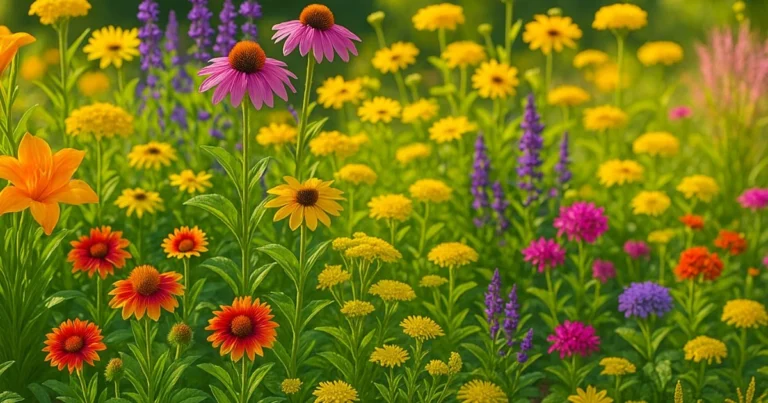
15 Creative Backyard Flower Bed Designs to Transform Your Outdoor Space
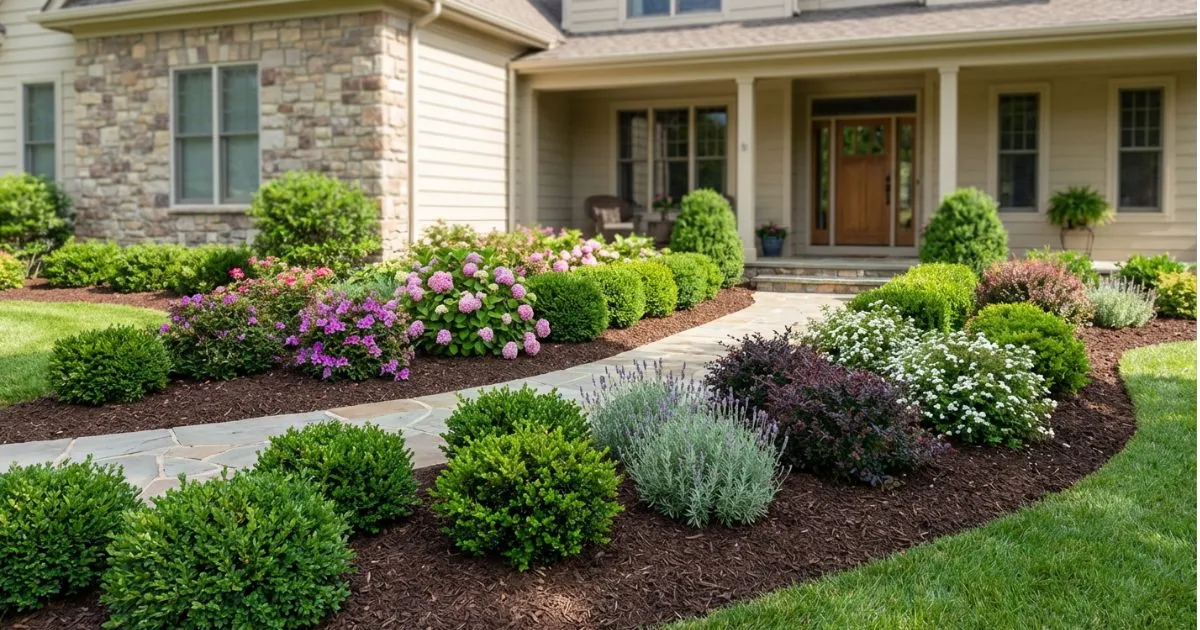
Backyards have a way of capturing memories. Maybe you’ve stood outside on a quiet morning with your coffee in hand, looking across your lawn and imagining what it could become. You picture a space that feels peaceful, colorful, full of life—a space that feels like an extension of you. That’s the quiet magic of thoughtful backyard flower bed designs. They don’t just change the look of your outdoor space; they reshape the way you feel when you step outside.
Perhaps you’ve longed for a backyard that greets you with color and calm. Or maybe you want a place where you can relax, unwind, or entertain. Whatever calls you to create something beautiful, flower beds are one of the easiest, most expressive ways to turn your backyard into the personal sanctuary you’ve been imagining.
In this guide, you’ll find ideas that fit every style, budget, and backyard size—each crafted to help you build a garden that feels purposeful, alive, and unmistakably yours.
Table of Contents
Understanding the Basics of Backyard Flower Bed Designs
Before diving into creating your beds, it helps to understand the foundational elements that turn good ideas into stunning results. A well-planned flower bed holds shape through seasons, thrives in its environment, and feels balanced from every angle.
Why Planning Matters Before You Start
Your backyard has its own personality—sunlight patterns, soil type, drainage, wind exposure, and existing structures. Designing a flower bed without considering these things often leads to plants that struggle, crowd each other, or fail to bloom.
You can avoid that by setting the groundwork early.
Key Pre-Design Checklist
- Measure your planting area
- Note sunlight levels throughout the day
- Map out areas with deep shade, partial shade, and full sun
- Test your soil pH (simple test kits are inexpensive)
- Decide your plant types: perennials, annuals, or a mix
- Choose color themes or textures
- Consider your maintenance level
Helpful External Resources
These tools help you pick the right plants for your local climate:
- USDA Plant Hardiness Zone Map: https://planthardiness.ars.usda.gov
- Royal Horticultural Society Plant Guides: https://www.rhs.org.uk/plants
Once you understand your space, it’s much easier to build flower beds that thrive with minimal stress and continue to look beautiful year after year.
15 Inspiring Backyard Flower Bed Designs for Any Yard
Below are designs you can adapt for your own space. Each idea provides structure, plant recommendations, and styling notes to help you visualize the final look.
1. Layered Flower Bed Designs for Depth & Dimension
Layered beds are one of the easiest ways to create dramatic visual depth in your backyard. By placing plants in height-based tiers, you guide the eye naturally from tall to low.
How to Create the Look
- Back row (tall): ornamental grasses, delphinium, hydrangeas
- Middle row (medium): coneflowers, daisies, phlox
- Front row (low): creeping thyme, alyssum, sedum
This design works beautifully against fences, walls, or the back edge of your yard.
2. Curved Backyard Flower Bed Designs
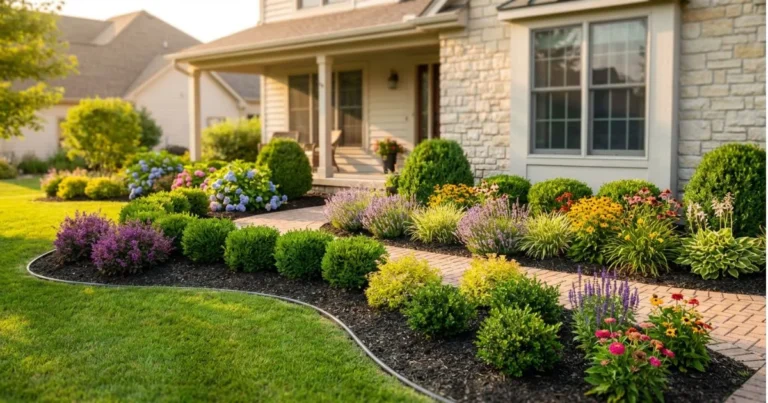
Curved beds soften the look of your backyard and create a sense of movement. They pair well with patios, seating areas, or along fences.
Plant Suggestions
- Shasta daisies
- Hostas
- Coral bells
- Daylilies
Curved shapes feel natural and effortless, making your yard feel more organic.
3. Modern Minimalist Flower Beds
If you lean toward clean lines and simplicity, modern flower beds give your yard a sharp, architectural look.
Key Elements
- Strict lines or symmetrical patterns
- Repeated plant varieties
- Neutral color palette (greens, whites, purples)
Plant Ideas
- Allium
- Boxwood
- Feather reed grass
- White tulips
Minimalist designs rely on intention—less is more.
4. Cottage-Style Backyard Flower Bed Designs
Cottage gardens feel romantic, overflowing, and whimsical. They welcome a bit of wildness.
Best Plants for Cottage Beds
- Lavender
- Sweet peas
- Roses
- Delphinium
- Coneflowers
- Yarrow
Use generous planting groups to create a “full” look.
5. Native Plant Flower Beds
Native plants are adapted to your climate, meaning they require less maintenance, less watering, and attract local pollinators.
Benefits
- Less fertilizer
- Less watering
- Deer-resistant options available
- Help local ecosystems thrive
Helpful Resource
Native plant finder and pollinator guide: https://www.xerces.org
6. Pollinator-Friendly Flower Beds
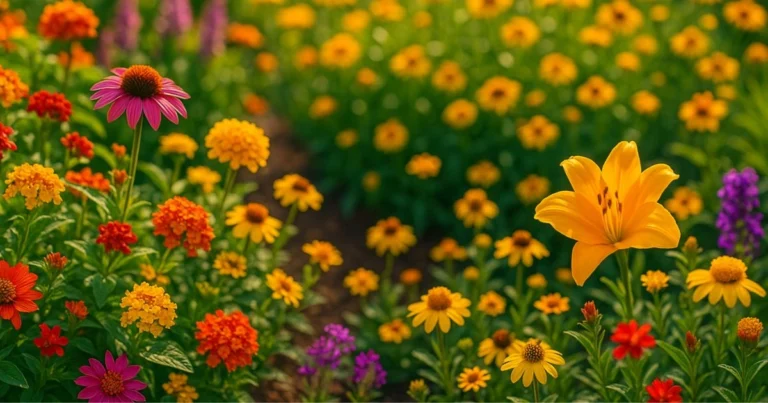
If you want your backyard buzzing with life, pollinator beds attract butterflies, hummingbirds, and bees.
Best Plants
- Zinnias
- Bee balm
- Asters
- Salvia
- Black-eyed Susans
These beds feel joyful and vibrant, especially in summer.
7. Raised Backyard Flower Beds
Raised beds add structure, height, and accessibility. They’re ideal if your soil quality is poor or you want clearly defined garden borders.
Benefits
- Improved drainage
- Easier to weed
- Great for mobility issues
- Can use decorative materials like rock or cedar
Best Plants
- Hydrangeas
- Coral bells
- Hostas
- Annual color packs
8. Rock Garden Flower Bed Designs
Rock beds create a sculpted, natural look perfect for dry or sloped areas.
Recommended Plants
- Sedum
- Ice plant
- Yucca
- Agave
- Creeping phlox
Gravel or river stones help reduce watering needs and add bold texture.
9. Walkway Flower Beds
Framing a walkway with blooms creates a warm, inviting atmosphere that feels like you’re strolling through a garden path.
Top Plant Ideas
- Nepeta (catmint)
- Salvia
- Creeping thyme
- Coral bells
- Hostas
Pairing flowers on both sides creates symmetry and charm.
10. Vertical Flower Bed Designs
If your backyard is small, vertical gardening helps maximize space.
Vertical Options
- Trellises
- Ladder-style planters
- Hanging baskets
- Wall-mounted pots
Plants That Thrive Vertically
- Clematis
- Morning glory
- Sweet peas
- Nasturtiums
Vertical beds also create privacy screens.
11. Backyard Corner Flower Beds
Corners are often overlooked, but they offer perfect opportunities for dramatic flower beds.
Ideas
- Plant tall grasses as a backdrop
- Add cascading perennials in front
- Use a bold focal shrub
It turns empty space into a showpiece.
12. Color-Themed Backyard Flower Bed Designs
Color-themed beds help create harmony and make your backyard feel more intentional.
Themes
- Monochrome: all whites, purples, or pinks
- Warm tones: reds, yellows, oranges
- Cool tones: blues, purples, whites
This is perfect if you like order and balance.
13. Backyard Flower Beds Around Trees
Trees create natural focal points, and flower beds around them soften the trunk’s outline.
Best Shade-Friendly Plants
- Hostas
- Ferns
- Astilbes
- Hellebores
Important Tip
Never pile soil or mulch against the tree trunk—this can cause rot.
14. Seasonal Flower Bed Rotations
Seasonal beds ensure your backyard always has something blooming.
Seasonal Planting Guide
- Spring: tulips, daffodils, primroses
- Summer: dahlias, lantana, petunias
- Fall: asters, mums
- Winter: hellebores, evergreen shrubs
This rotation keeps your space colorful all year.
15. Mixed Shrub and Flower Borders
This approach blends structure and color for a polished yet natural look.
Good Shrub Choices
- Dwarf hydrangeas
- Spirea
- Viburnum
- Boxwood
Flower Pairings
- Phlox
- Coral bells
- Coneflowers
- Daisies
Mixed beds create beautifully layered gardens that feel full but not messy.
Soil Mix Recipe for Healthy Flower Beds
Using the right soil blend helps your backyard flower bed designs thrive.
Ideal Flower Bed Soil Mix
| Ingredient | Amount | Purpose |
|---|---|---|
| Topsoil | 40% | Base structure for roots |
| Compost | 40% | Adds nutrients + improves moisture |
| Perlite/Sand | 10% | Improves drainage |
| Organic Mulch | 10% | Controls weeds + protects roots |
Instructions
- Combine ingredients evenly.
- Add water slowly until soil becomes crumbly.
- Fill beds 8–12 inches deep.
- Refresh compost each year.
Maintenance Tips for Backyard Flower Bed Designs
Watering Tips
- Water deeply, not frequently
- Morning is best to prevent disease
- Use drip irrigation for efficiency
Fertilizer Tips
- Use slow-release fertilizer in spring
- Add compost twice yearly
- Avoid over-fertilizing
Mulching Tips
- Apply 2–3 inches of mulch
- Keep mulch away from stems
- Remove weeds before they seed
FAQ About Backyard Flower Bed Designs
What are the easiest backyard flower bed designs for beginners?
Layered beds, raised beds, and native flower beds are great starting points.
What flowers work best for backyard beds?
Hydrangeas, coneflowers, lavender, daisies, and hostas are excellent choices.
How do I design on a budget?
Use perennials, divide existing plants, and buy small starter pots.
What is the best soil mix?
Topsoil + compost + perlite (see table above).
How do I keep my flower beds low maintenance?
Choose natives, mulch deeply, and install drip irrigation.
Conclusion
Your backyard holds endless possibilities. With the right backyard flower bed designs, you can create a space that feels peaceful, vibrant, and uniquely yours. Whether you prefer clean lines, playful colors, romantic cottage blooms, or structured beds around trees, your choices can bring your outdoor space to life.
Your flower beds aren’t just landscaping—they’re an expression of home, beauty, and the way you choose to enjoy your outdoor space.