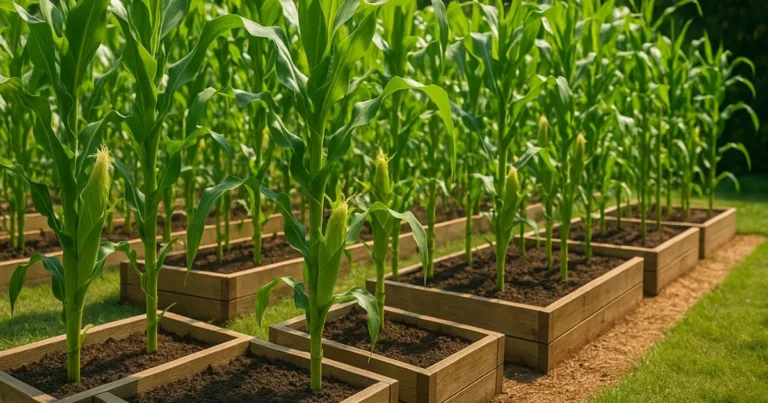
15 Crops You Can Grow in Buckets All Year Round (Outdoor Gardening Guide)
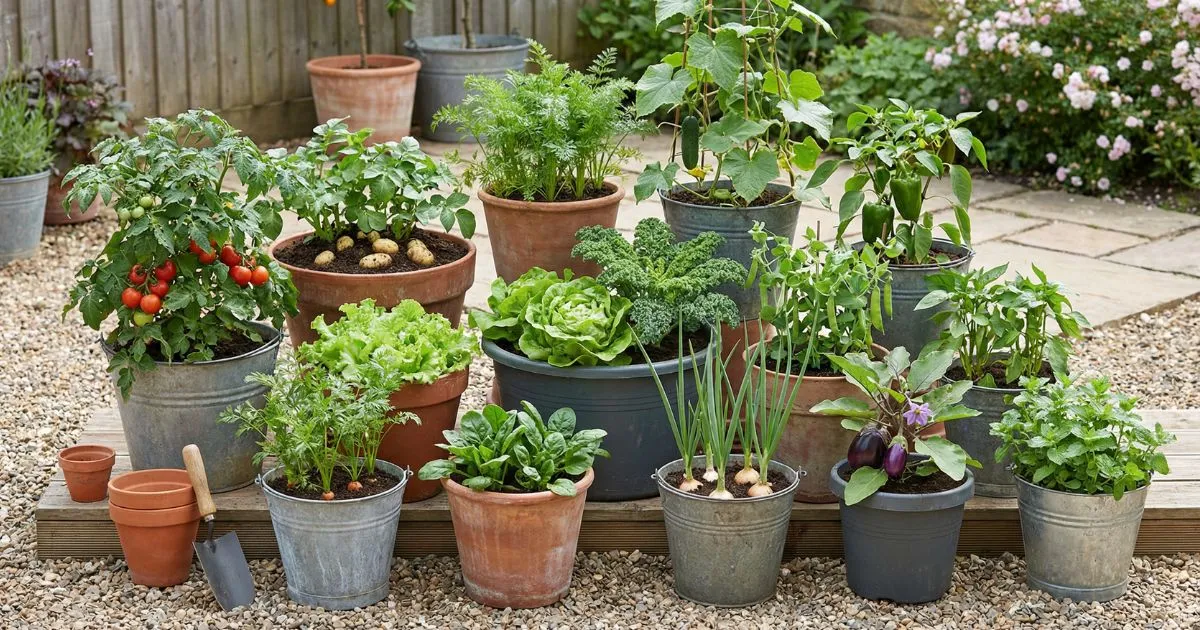
If you’ve ever wished you could grow your own food but felt held back by a lack of space, time, or gardening experience, you’re not alone. Many people dream of stepping outside to pick vegetables for dinner, but the idea of managing a full-size garden often feels overwhelming. The truth is that you don’t need a huge yard or raised beds to enjoy the satisfaction of homegrown produce. All you need is a few containers, sunlight, and the right crops you can grow in buckets.
There’s something incredibly grounding about watching seeds turn into food. When you see your first tomato ripen or pull a carrot from the soil for the very first time, you feel a connection to your food that store produce can’t replicate. And the best part? You can create this experience right outside your door, even in very small spaces.
Whether you have a balcony, patio, driveway, or just a sunny corner outside your home, bucket gardening gives you a simple and rewarding way to grow fresh vegetables all year long. This guide will walk you through everything you need to get started, plus the 15 easiest crops you can grow in buckets—no matter your experience level.
Table of Contents
Why Bucket Gardening Works So Well
Growing food in buckets might appear too simple to be effective, but it’s actually one of the easiest forms of outdoor gardening. Once you try it, you’ll understand exactly why it has become so popular.
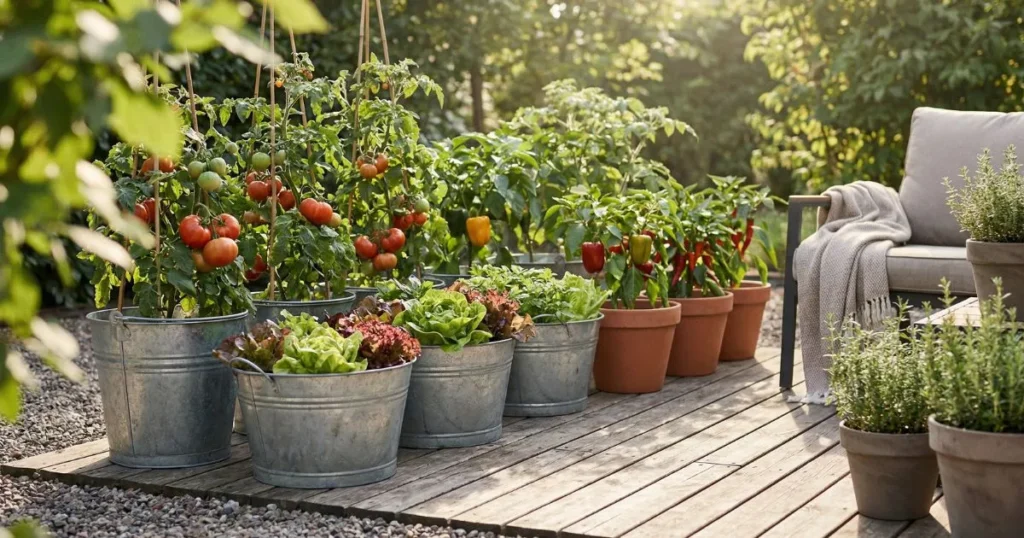
Benefits You’ll Appreciate
- Perfect for small outdoor spaces, including patios, balconies, and rooftops
- Buckets are portable, letting you move plants as the sun shifts
- Far less weeding compared to in-ground gardens
- Reduced pest issues and easier soil management
- Ideal for beginners and busy gardeners
- Very affordable—5-gallon buckets are inexpensive and durable
If you’re curious about the science behind container gardening, the University of Minnesota Extension explains the benefits here:
https://extension.umn.edu/how/containers
Getting Ready to Grow in Buckets
Before you plant your first seeds, you’ll want to gather a few essentials. The setup is simple, but choosing the right materials will make a big difference in how well your plants grow.
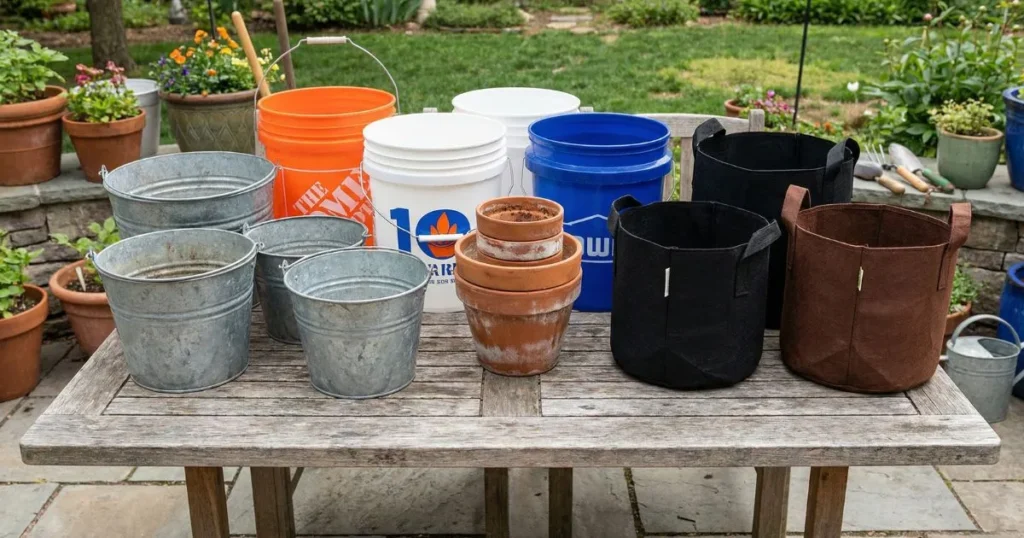
Choosing the Best Buckets
The container itself is your crop’s home, so choosing the right one matters. Here’s what works best:
- 5–10 gallon buckets (standard size for most crops)
- Food-grade plastic buckets
- Fabric grow bags for great drainage
- Metal buckets with added drainage holes
No matter which type you choose, one rule never changes: your bucket must have drainage holes. Without proper drainage, roots drown and plants collapse. Adding 4–8 small holes at the bottom will protect your crops from root rot.
Building the Right Soil Mix
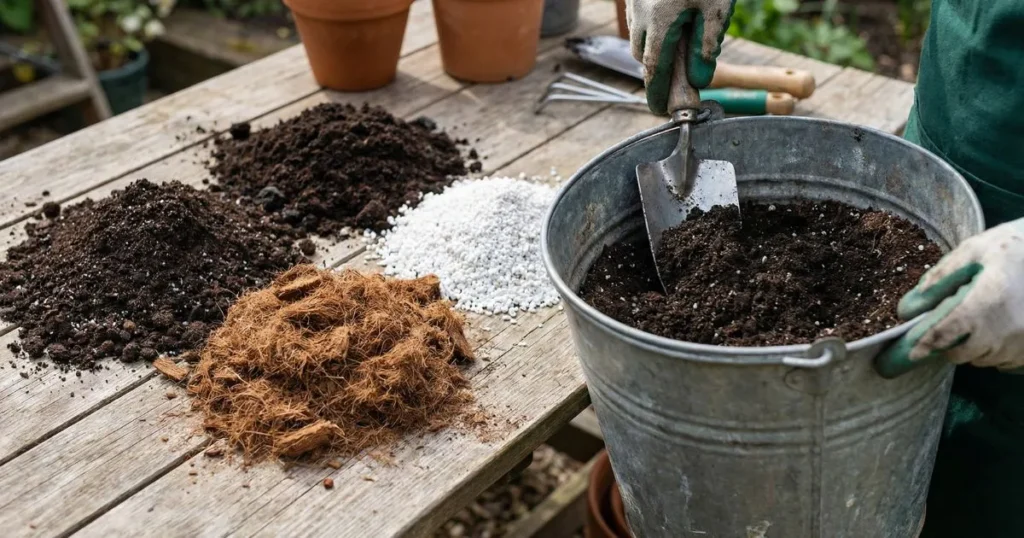
The soil you choose is more important than the bucket you use. Skip the heavy dirt from your yard—it’s too dense and suffocates plant roots. Instead, aim for this proven blend:
- 60% high-quality potting soil
- 20% compost for nutrition and healthy microbes
- 20% perlite or coconut coir for airflow and drainage
This combination creates a light, airy growing environment that supports strong, healthy root systems.
Sunlight, Water, and Feeding
Even though container gardening is simple, plants still need the right conditions to thrive.
Sunlight:
Most crops you can grow in buckets need 6–8 hours of sun per day. Leafy greens are more flexible and can handle partial shade.
Watering:
- Water deeply until water flows out of the bottom.
- During hot months, you may need to water daily.
- Avoid shallow watering—roots grow deeper when you water deeply.
Feeding:
- Organic slow-release fertilizer works well.
- Compost tea or liquid seaweed every 2 weeks boosts growth.
Following these simple steps creates the ideal outdoor gardening environment for buckets.
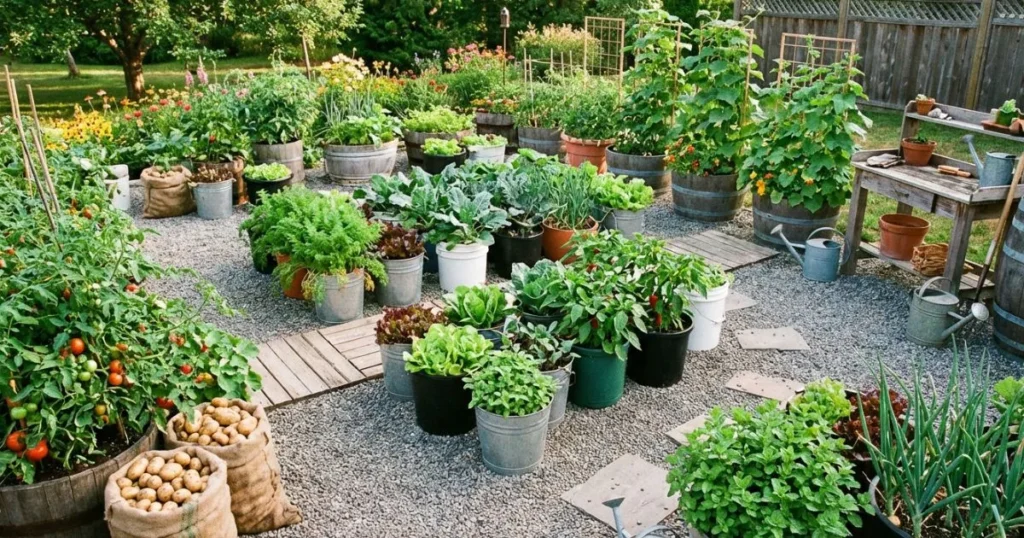
15 Crops You Can Grow in Buckets All Year Round
These are the easiest, most reliable, and most productive crops you can grow in buckets. They’re perfect for beginners, and each one brings delicious harvests with minimal effort.
Tomatoes
Tomatoes are a classic choice for bucket gardening. Cherry tomatoes, patio tomatoes, and dwarf varieties do especially well.
Bucket size: 5–10 gallons
Tip: Add a tomato cage or stake early so the plant stays upright.
Onions
Onions don’t need much space and are very low maintenance.
Bucket size: 3–5 gallons
Tip: Plant onion sets instead of seeds for a faster harvest.
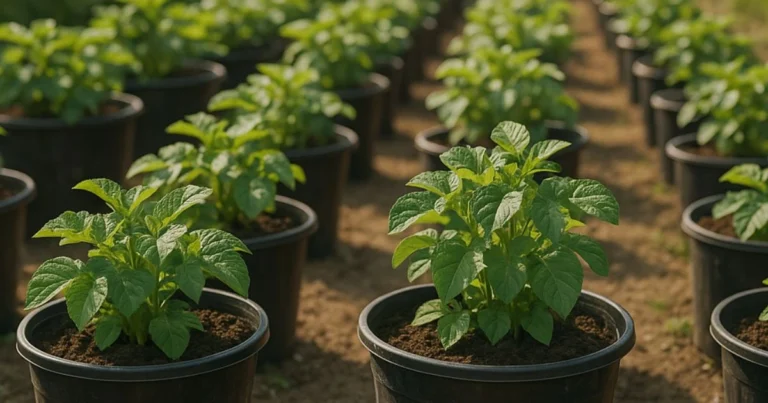
Potatoes
Potatoes thrive in deep buckets and produce impressive yields.
Bucket size: 10 gallons
Tip: Add more soil as the plant grows—a method called “hilling”—to encourage more potatoes.
Kale
One of the most resilient crops you can grow in buckets. Kale tolerates cold, heat, and a range of conditions.
Bucket size: 3 gallons
Tip: Pick outer leaves regularly to keep new growth coming.
Cucumbers
Cucumbers love containers, especially compact or bush varieties.
Bucket size: 5 gallons
Tip: Add a small trellis so the vines can climb.
Garlic
Garlic is one of the easiest long-season crops.
Bucket size: 3 gallons
Tip: Plant cloves in fall for a summer harvest.
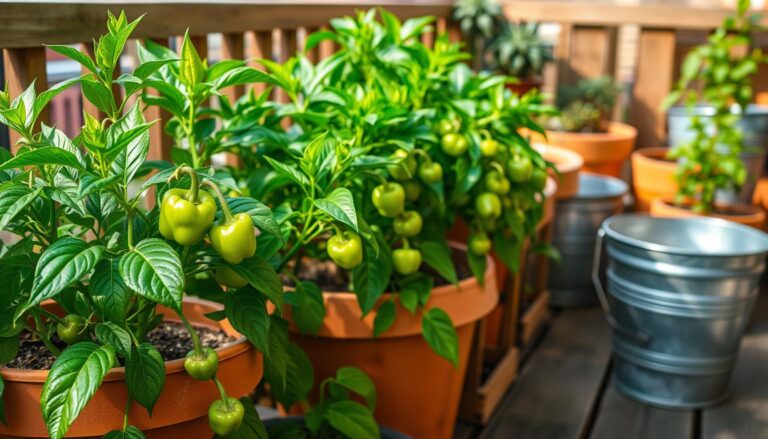
Peppers
Both sweet and hot peppers grow well in buckets and love warm weather.
Bucket size: 3–5 gallons
Tip: Keep the soil warm by placing the bucket in a sunny spot.
Carrots
Carrots need deeper buckets so their roots grow straight and long.
Bucket size: 5 gallons
Tip: Choose loose, fluffy soil for best results.
Spinach
Spinach grows fast, making it perfect for year-round harvesting.
Bucket size: 3 gallons
Tip: Provide shade in hot weather to prevent bolting.
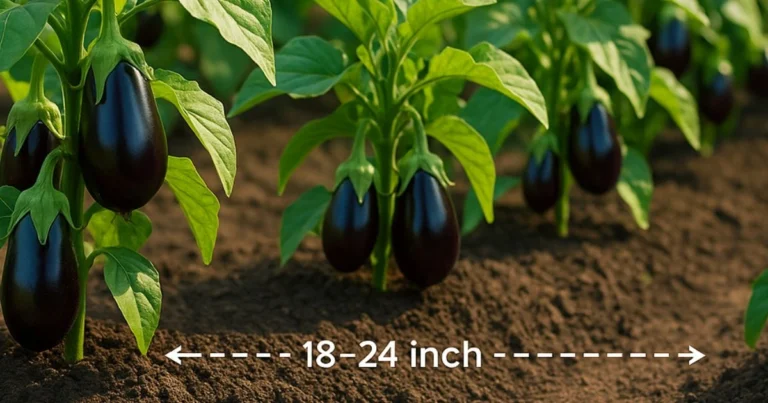
Eggplant
Eggplants thrive in warm climates and produce beautiful fruits.
Bucket size: 5 gallons
Tip: Add support when fruit begins to develop.
Mint
Mint grows aggressively, so buckets keep it contained.
Bucket size: 2 gallons
Tip: Keep soil evenly moist for the best flavor.
Lettuce
Loose-leaf lettuces grow quickly and regrow after harvesting.
Bucket size: 3 gallons
Tip: Harvest the outer leaves and let the center keep growing.
Beans
Beans are productive and easy to grow in buckets.
Bucket size: 5 gallons
Tip: Add a short trellis for pole varieties.
Mushrooms
Mushrooms grow in shade, making them unique among bucket crops.
Bucket size: 3 gallons
Tip: Use mushroom substrate, not regular soil.
Peas
Peas grow beautifully in cool weather, making them perfect for early spring and fall.
Bucket size: 5 gallons
Tip: Provide a trellis or garden mesh.
Quick Crop Reference Table
| Crop | Bucket Size | Days to Harvest | Sunlight | Difficulty |
|---|---|---|---|---|
| Tomatoes | 5–10 gal | 60–80 days | Full sun | Easy |
| Onions | 3–5 gal | 90–120 | Full sun | Easy |
| Potatoes | 10 gal | 70–100 | Full sun | Medium |
| Kale | 3 gal | 50–60 | Partial shade | Easy |
| Cucumbers | 5 gal | 55–70 | Full sun | Medium |
| Garlic | 3 gal | 6–9 months | Full sun | Easy |
| Peppers | 3–5 gal | 70–90 | Full sun | Medium |
| Carrots | 5 gal | 60–80 | Full sun | Easy |
| Spinach | 3 gal | 30–45 | Partial shade | Easy |
| Eggplant | 5 gal | 70–85 | Full sun | Medium |
| Mint | 2 gal | Continuous | Partial shade | Very easy |
| Lettuce | 3 gal | 30–50 | Partial shade | Very easy |
| Beans | 5 gal | 50–60 | Full sun | Easy |
| Mushrooms | 3 gal | 25–45 | Shade | Medium |
| Peas | 5 gal | 60–70 | Full sun | Easy |
Tips for Outdoor Bucket Gardening Success
Rotate Crops
Avoid planting the same crop in the same bucket each year to prevent disease and nutrient depletion.
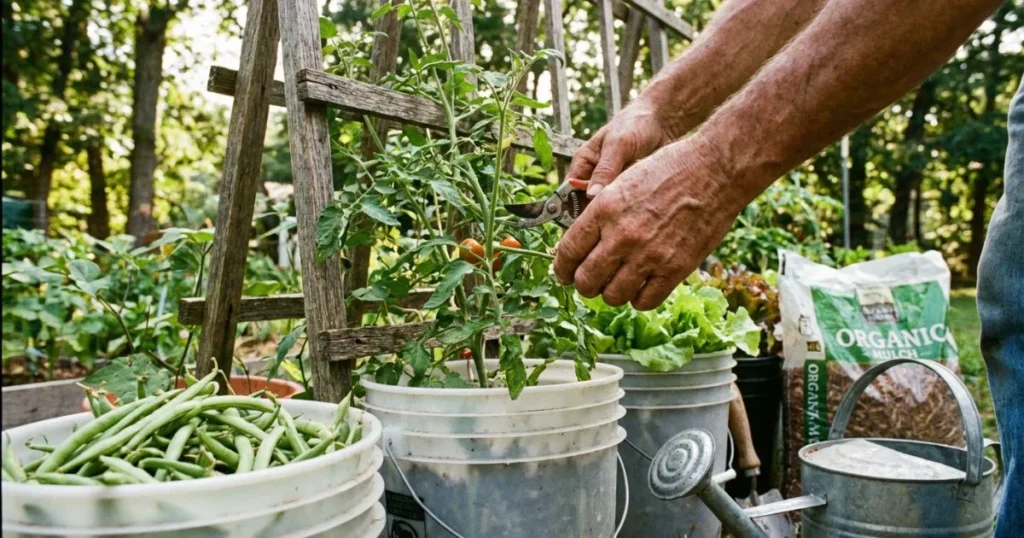
Use Mulch
Mulch locks in moisture, reduces watering needs, and protects roots from heat.
Protect Plants in Cold Weather
Use frost cloths or mini greenhouse covers during colder months.
Install Simple Irrigation
A small drip system makes watering easier and more consistent.
Helpful Resources for Further Learning
These trusted gardening sites will help you deepen your knowledge:
- University of Minnesota Extension: https://extension.umn.edu
- Royal Horticultural Society: https://www.rhs.org.uk
- Gardening Know How: https://www.gardeningknowhow.com
- The Old Farmer’s Almanac: https://www.almanac.com
FAQ About Crops You Can Grow in Buckets
What are the easiest crops you can grow in buckets?
Spinach, lettuce, kale, tomatoes, and mint are the easiest bucket crops for beginners.
How much sunlight do bucket crops need?
Most vegetable crops need 6–8 hours of sunlight per day.
Can you grow crops in buckets all year?
Yes. Cool-season crops thrive in fall and winter, while warm crops grow well in spring and summer.
Do bucket crops require special soil?
They grow best in a mix of potting soil, compost, and perlite.
Conclusion: Your Bucket Garden Starts Today
Now that you know which crops you can grow in buckets, what soil to use, and how to care for your plants, there’s nothing stopping you from creating your own outdoor bucket garden. You don’t need fancy tools, a big yard, or years of gardening experience. You just need a bucket, a bit of soil, and the willingness to plant that first seed.
Start with one crop from this guide. As you watch it grow, you’ll gain confidence, satisfaction, and a deeper connection to your food. Each harvest—big or small—is a victory.