15 of the Easiest Flowers to Grow for a Beautiful, Low-Maintenance Garden
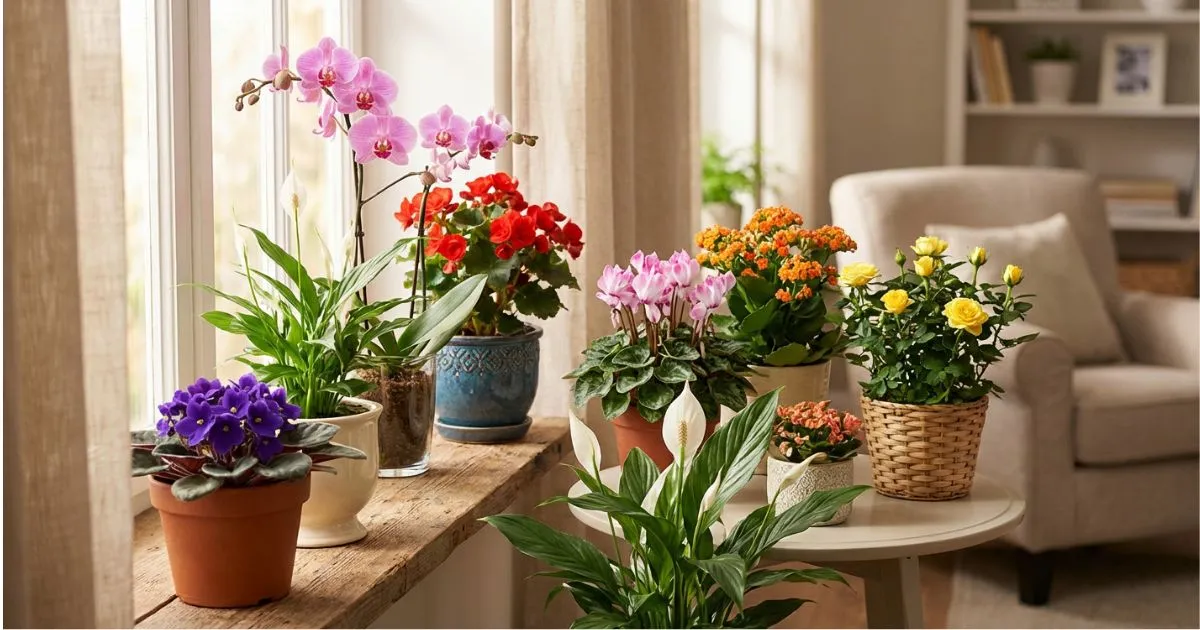
There’s a moment every gardener remembers—the moment you look at a neighbor’s yard bursting with color and think, “I wish my garden looked like that.” Maybe you’ve stood in your own yard, imagining what it might feel like to see bright, cheerful blooms rising from the soil. What many people don’t know is that you can create that same beauty without special tools, complicated instructions, or years of gardening experience.
Growing flowers doesn’t have to be intimidating. Some blooms practically take care of themselves, even if you’re new to gardening or busy with everyday life. When you choose the easiest flowers to grow, you give yourself the freedom to enjoy color, fragrance, and life in your yard without stress. These flowers forgive forgotten waterings, resist pests, and bounce back from rough weather. They’re the perfect place to begin your gardening journey—or reinvent it.
This guide walks you through 15 incredibly easy flowers that thrive almost anywhere. You’ll also learn the basics of planting, caring for, arranging, and maintaining them, so your garden becomes a space that brings you joy from the moment you step outside.
Table of Contents
Understanding What Makes the Easiest Flowers to Grow
Factors That Make a Flower Easy to Grow
When you’re choosing flowers, you want varieties that don’t demand constant attention. Easy flowers usually share these traits:
- Fast germination
- Strong tolerance to heat or drought
- High resistance to pests
- Low nutrient requirements
- Ability to grow in various soil types
- Long blooming seasons
These flowers work with you—not against you.
Key Growing Conditions to Consider
Before selecting your blooms, it helps to understand the environment you’re planting in.
Light Levels
Different flowers thrive under different sunlight conditions:
- Full sun: at least 6 hours a day
- Partial shade: a mix of sun and shade
- Full shade: less than 3 hours of direct sunlight
Soil Requirements
Even easy flowers benefit from loose, well-draining soil.
Watering Patterns
Some flowers prefer dry spells between waterings, while others like more consistent moisture.
Your Local Climate
If you’re in the U.S., check your USDA Hardiness Zone to choose flowers that naturally thrive in your area:
https://planthardiness.ars.usda.gov
Available Space
Whether you’re working with a container garden, a small yard, or a large space, size matters when selecting blooms.
15 of the Easiest Flowers to Grow for Any Gardener
Below is a detailed list of low-maintenance flowers perfect for beginners.
1. Marigolds – Bright, Tough Garden Staples
Marigolds are legendary for being nearly indestructible. Their golden-orange blooms thrive in tough conditions.
Why They’re Easy
- Tolerate poor soil
- Require little water
- Bloom continuously
- Naturally repel pests
Perfect for borders and vegetable gardens.
2. Zinnias – Fast-Growing Blooms for Beginners
Zinnias grow quickly, produce brilliant colors, and attract butterflies.
Why Gardeners Love Them
- Fast germination
- Long bloom periods
- Heat tolerant
They’re excellent as cut flowers, too.
3. Cosmos – Airy, Delicate, and Resilient
Cosmos bring charm and movement to gardens without needing much care.
Why They’re Easy
- Thrive in poor soil
- Require minimal watering
- Self-seed for future seasons
4. Sunflowers – Cheerful and Beginner-Friendly
Sunflowers offer dramatic height and bright yellow blooms.
What Makes Them Simple
- Easy to grow from seed
- Require only sun + water
- Great for kids or new gardeners
5. Coneflowers – Hardy Perennials for Every Garden
Coneflowers (echinacea) are tough, drought-tolerant, and long-lasting.
Why They’re Popular
- Excellent pollinator plants
- Require minimal watering
- Self-sustaining year after year
6. Black-Eyed Susans – Sunny and Low-Maintenance
Black-eyed Susans brighten any landscape with vibrant yellow petals.
Best Traits
- Thrive in poor soil
- Spread naturally
- Heat and drought tolerant
7. Pansies – Cool-Season Color for Early Spring
Pansies deliver cheerful color when most flowers are dormant.
Why They’re Beginner-Friendly
- Grow well in cool weather
- Ideal for pots and borders
- Require minimal maintenance
8. Nasturtiums – Edible and Effortless
Nasturtiums produce bright blooms and edible leaves with a peppery taste.
Why They’re Easy
- Grow in poor soil
- Require almost no upkeep
- Great for edible gardens
9. Petunias – Long-Blooming Bedding Plants
Petunias bloom heavily from spring to fall and come in dozens of vibrant shades.
What Makes Them Simple
- Adapt well to containers
- Come in self-cleaning varieties
- Thrive with moderate watering
10. Sweet Alyssum – Fragrant and Fast-Growing
Sweet alyssum forms a soft, fragrant carpet of tiny blooms.
Benefits
- Spreads naturally
- Attracts pollinators
- Works well as edging
11. Daylilies – Perennial Workhorses
Daylilies are known for resilience and require minimal care once established.
Why They’re Low-Maintenance
- Thrive in many climates
- Bloom repeatedly
- Disease resistant
12. Calendula – Cheerful Blooms with Many Uses
Calendula (pot marigold) is simple to grow and offers medicinal benefits.
Best Features
- Self-seeding
- Tolerates cool weather
- Great for herbal projects
13. Impatiens – Shade-Loving and Colorful
Impatiens are among the few flowers that bloom well in shaded gardens.
Reasons to Choose Them
- Perfect for low light
- Provide nonstop color
- Compact and neat
14. Lavender – Fragrant and Hardy
Lavender thrives in dry, sunny areas and attracts helpful pollinators.
Why It’s Beginner-Friendly
- Very drought tolerant
- Looks beautiful even out of bloom
- Ideal for borders or pots
15. Dianthus – Sweet-Scented Cottage Blooms
Dianthus delivers charming blooms and a spicy fragrance.
Perks
- Low watering needs
- Great container flower
- Blooms multiple times yearly
How to Plant the Easiest Flowers to Grow
Understanding how to plant flowers properly can help them thrive with little effort.
Step-by-Step Planting Guide
1. Prepare the Soil
- Loosen soil 6–8 inches deep
- Remove rocks and debris
- Mix in compost
2. Plant Seeds or Seedlings
- Follow planting depth indicated on seed packets
- Space plants correctly for airflow
3. Water Thoroughly
- Water after planting
- Avoid wetting leaves to reduce mildew
4. Add Mulch
- Helps prevent weeds
- Retains moisture
Soil Mix Recipe for Easy Flower Beds
Recommended Soil Mix
| Ingredient | Amount | Purpose |
|---|---|---|
| Compost | 40% | Boosts nutrients & moisture retention |
| Topsoil | 40% | Provides structure & support |
| Perlite/Sand | 10% | Improves drainage |
| Organic Mulch | 10% | Controls weeds & protects roots |
How to Use This Mix
- Blend ingredients thoroughly
- Spread 8–10 inches deep
- Add mulch for moisture retention
Maintenance Tips for Growing Easy Flowers
Keeping your garden healthy doesn’t require much work once the flowers are established.
Watering Basics
- Deep watering once or twice weekly
- Water early in the morning
- Adjust watering based on heat
Fertilizing Tips
- Use slow-release fertilizer
- Add compost in spring and fall
Mulching & Weed Control
- Apply 2–3 inches of mulch
- Remove weeds when they’re small
Common Mistakes to Avoid
Even the easiest flowers can struggle if basic mistakes are made.
Overwatering
Suffocates roots and invites rot.
Planting Too Deep
Reduces germination rates and stunts growth.
Ignoring Light Requirements
Many easy flowers need full sun.
Not Deadheading
Removing spent blooms encourages more flowers to form.
FAQ About the Easiest Flowers to Grow
What are the easiest flowers to grow for beginners?
Marigolds, zinnias, sunflowers, cosmos, pansies, and black-eyed Susans.
Which flowers bloom the longest with little effort?
Petunias, coneflowers, calendula, and daylilies.
Which flowers grow well in shade?
Impatiens, pansies, and sweet alyssum.
Do easy flowers need fertilizer?
Most grow well without it, but occasional feeding helps increase blooms.
What is the easiest flower to start from seed?
Zinnias, marigolds, sunflowers, and nasturtiums germinate quickly.
Conclusion
Growing flowers doesn’t have to be overwhelming or time-consuming. When you choose the easiest flowers to grow, your garden becomes a place of joy instead of stress. These blooms bring color, movement, fragrance, and life into your everyday world—without requiring constant care.
Start with one or two easy varieties, then expand as your confidence grows. Before long, your yard will look brighter, fuller, and more inviting than you ever imagined.