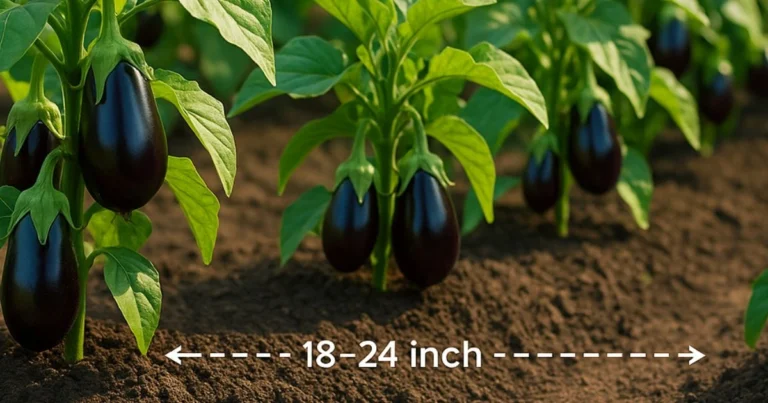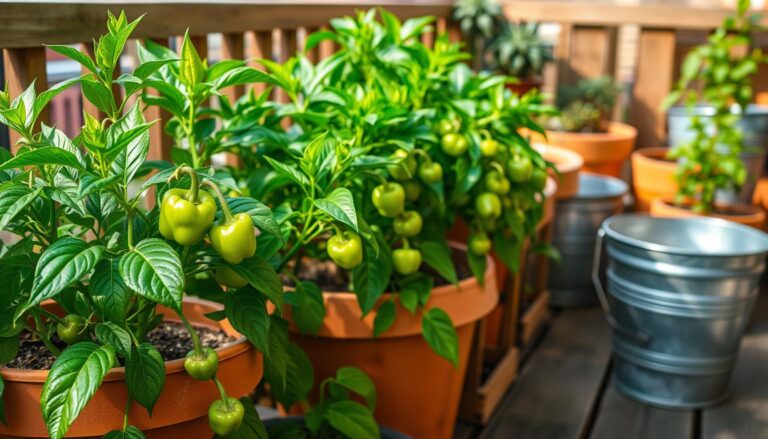
Eggplant Growing — A Complete Guide to Thriving Eggplants in Containers
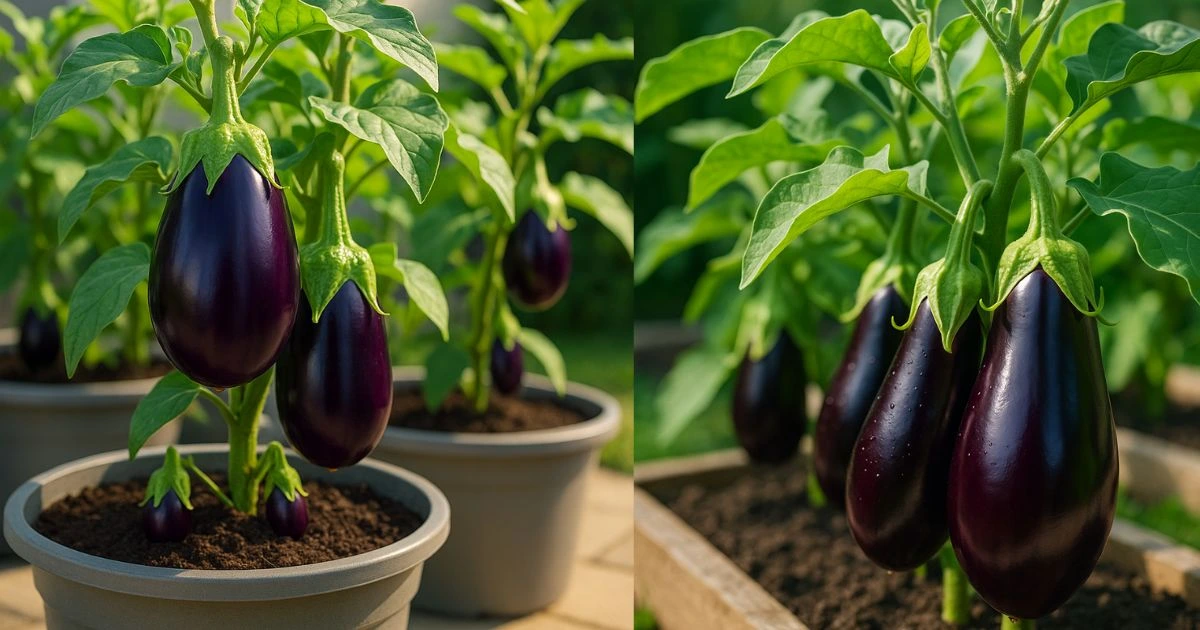
Eggplant growing is one of the most rewarding gardening experiences you can enjoy, especially when you’re working with limited space. Whether you have a sunny balcony, a compact patio, or a small backyard corner, container gardening gives you the flexibility, warmth, and soil control that eggplants love. You might be surprised by how easily these vibrant purple fruits thrive when given the right conditions, even in a single pot.
If you’ve ever admired the glossy skin of a ripe eggplant or savored a dish made from freshly harvested produce, you already know how satisfying this plant can be. Watching blossoms turn into firm, colorful fruits feels almost magical, and the process becomes even more meaningful when you’ve nurtured the plant from soil to harvest. Growing your own eggplant lets you enjoy better flavor, higher quality, and the personal pride of tending a productive plant from start to finish.
Table of Contents
Eggplant Growing in Containers — Why This Method Works So Well
Container gardening suits eggplants perfectly because these plants love warmth, loose soil, and controlled environments.
Benefits of Container-Grown Eggplant
When you grow eggplants in containers, you gain several advantages:
- Full control over soil quality, ensuring optimal nutrients
- Warm, fast-draining soil, ideal for eggplant roots
- Better pest management compared to ground planting
- Easier watering and fertilization routines
- Great mobility, allowing you to move pots for more sun
- A perfect option for patios, balconies, and urban spaces
For more general container gardening advice, the University of Minnesota Extension has a helpful guide:
https://extension.umn.edu/planting-and-growing-guides/containers-and-potting-soils
Containers vs. Ground Planting
Eggplants grown in-ground often face soil compaction, inconsistent moisture, and pest pressure. Containers give you:
- Light, aerated soil
- Stable heat around the root zone
- Targeted watering
- Choice of pot size and shape
- Easier access and visibility
For general home gardening support, the USDA provides beginner-friendly resources:
https://www.usda.gov/topics/gardening
Best Eggplant Varieties for Container Gardening
Choosing the right eggplant variety sets the foundation for a productive growing season.
Compact Varieties Ideal for Pots
These varieties stay small but produce a continuous supply of fruit:
- Patio Baby — designed for containers
- Fairy Tale — beautiful striped mini fruits
- Hansel & Gretel — early and prolific
- Little Fingers — slender and tender
- Ichiban — Japanese-style eggplant with high yield
Larger Varieties That Still Work in Big Containers
If you prefer traditional eggplants:
- Black Beauty
- Nadia
- Pingtung Long
Cornell University provides reliable vegetable variety recommendations:
https://cals.cornell.edu/home-gardening/vegetables
Eggplant Variety Comparison Table
| Variety | Size | Days to Harvest | Ideal Pot Size | Notes |
|---|---|---|---|---|
| Patio Baby | Small | 45–50 | 3–5 gal | Very productive, compact |
| Fairy Tale | Small | 50–60 | 5–7 gal | Pretty, sweet fruits |
| Ichiban | Medium | 55–60 | 7–10 gal | Slim, versatile |
| Black Beauty | Large | 75–80 | 10+ gal | Classic variety |
Choosing the Right Containers for Eggplant Growing
Best Pot Sizes for Eggplants
Eggplants develop strong root systems. Your container should be:
- Minimum: 5 gallons
- Ideal: 7–10 gallons
- Depth: 12–14 inches
Wider pots support better root spread.
Choosing Container Materials
Each material offers different benefits:
- Fabric grow bags: Excellent drainage and airflow
- Plastic pots: Lightweight and moisture-retentive
- Glazed ceramic pots: Attractive and stable
Drainage Is Essential
Eggplants dislike soggy soil. To avoid root rot:
- Ensure multiple drainage holes
- Elevate pots slightly off the ground
- Avoid saucers that collect water
Colorado State University Extension explains drainage principles well:
https://cmg.extension.colostate.edu
Preparing Soil for Eggplant Growing
Ideal Soil Mix for Container Eggplants
Eggplants crave nutrient-rich, well-draining soil. A great mix includes:
- 50% quality potting soil
- 25% compost
- 25% perlite, pumice, or coco coir
- pH between 5.8 and 6.5
This blend encourages strong roots, healthy stems, and productive flowering.
Penn State Extension offers helpful soil-preparation guidance:
https://extension.psu.edu/soil-preparation
Fertilizing Eggplants
Eggplants are heavy feeders from start to finish. Your plants will thrive with:
- Slow-release fertilizer mixed into soil at planting
- Liquid fertilizer every 2–3 weeks
- Nitrogen early in the season
- Phosphorus and potassium once flowers appear
Watering Eggplant in Pots
To keep eggplant hydrated:
- Water deeply when the top inch of soil dries
- Avoid overhead watering
- Mulch to hold moisture
- Water more frequently in hot weather
Planting Eggplant in Containers — Step-by-Step
Starting from Seeds
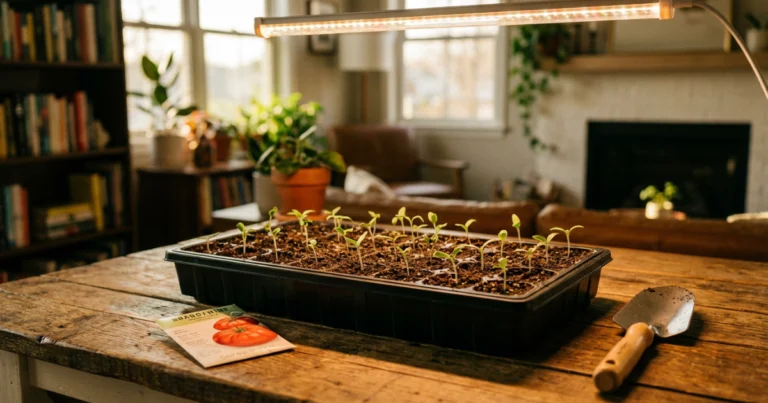
Eggplants germinate best with warmth and light. To start from seed:
- Plant seeds indoors 6–8 weeks before frost ends
- Maintain a soil temperature of 70–85°F
- Use bright grow lights or a sunny window
- Thin seedlings once true leaves form
- Harden off seedlings before moving outside
Transplanting Into Containers
When transplanting:
- Plant seedlings at the same depth
- Use one plant per container
- Firm soil around the base
- Water thoroughly
- Place pots in full sun immediately
Sunlight Needs for Eggplant Growing
Eggplants require:
- 6–8 hours of direct sunlight
- Warm, bright areas
- Occasional rotation for even growth
University of Illinois Extension offers guidance on starting vegetable seedlings:
https://extension.illinois.edu/veggies
Caring for Eggplant Throughout the Growing Season
Staking and Support
Eggholes and heavy fruits can weigh down branches. Use:
- Tomato cages
- Bamboo stakes
- Soft plant ties
Pruning Eggplants
To improve airflow and fruit size:
- Remove lower leaves
- Cut away damaged leaves
- Trim crowded areas
- Pinch early flowers if plants are still small
Managing Pests and Diseases
Eggplants may attract:
- Flea beetles
- Aphids
- Spider mites
- Whiteflies
Diseases to watch for:
- Verticillium wilt
- Fusarium wilt
- Leaf spot
For organic pest management, Rutgers Cooperative Extension provides clear guidelines:
https://njaes.rutgers.edu
Harvesting, Storing, and Enjoying Eggplants
When to Harvest Your Eggplant
Pick eggplants when:
- The skin is shiny
- The fruit feels firm
- It springs back when pressed
- Seeds inside are pale, not dark
How to Store Fresh Eggplants
Eggplants store best when you:
- Keep them in a cool, dry place
- Refrigerate for short-term storage
- Avoid washing until used
- Use within a few days for best flavor
Simple Recipe: Grilled Eggplant Salad
Ingredients Table
| Ingredient | Amount | Notes |
|---|---|---|
| Eggplant slices | 2 cups | Freshly harvested |
| Olive oil | 2 tbsp | — |
| Lemon juice | 1 tbsp | Fresh |
| Garlic | 1 clove | Minced |
| Fresh herbs | 2 tbsp | Basil or parsley |
| Salt & pepper | To taste | — |
Instructions
- Brush eggplant with oil
- Grill until tender
- Mix lemon juice, garlic, and herbs
- Toss with warm eggplant
- Serve immediately or chilled
FAQs — Eggplant Growing in Containers
Is eggplant growing effective in containers?
Yes — containers allow optimal soil, heat, and sunlight conditions.
What size pot do I need?
Use a 5–10 gallon container depending on the variety.
How much sun do eggplants need?
Aim for 6–8 hours of direct sunlight per day.
How often should I water eggplants?
Whenever the top inch of soil feels dry.
Can eggplants grow indoors?
Yes, if you provide strong grow lights and warmth.
Conclusion — Start Your Eggplant Growing Journey Today
Eggplant growing gives you a uniquely rewarding experience, especially when you grow it in containers. With the right pot size, rich soil, steady watering, and ample sunlight, your plants will thrive and reward you with flavorful fruits all season long. You don’t need much outdoor space — just one container and the willingness to start.
Begin with a compact variety, place your pot where the sun hits hardest, and enjoy the journey of nurturing your own homegrown eggplant from seed to plate.
Start today — your first beautiful eggplant is already waiting to grow.