Growing Bell Peppers in Pots: Your Complete Guide to Container Gardening Success
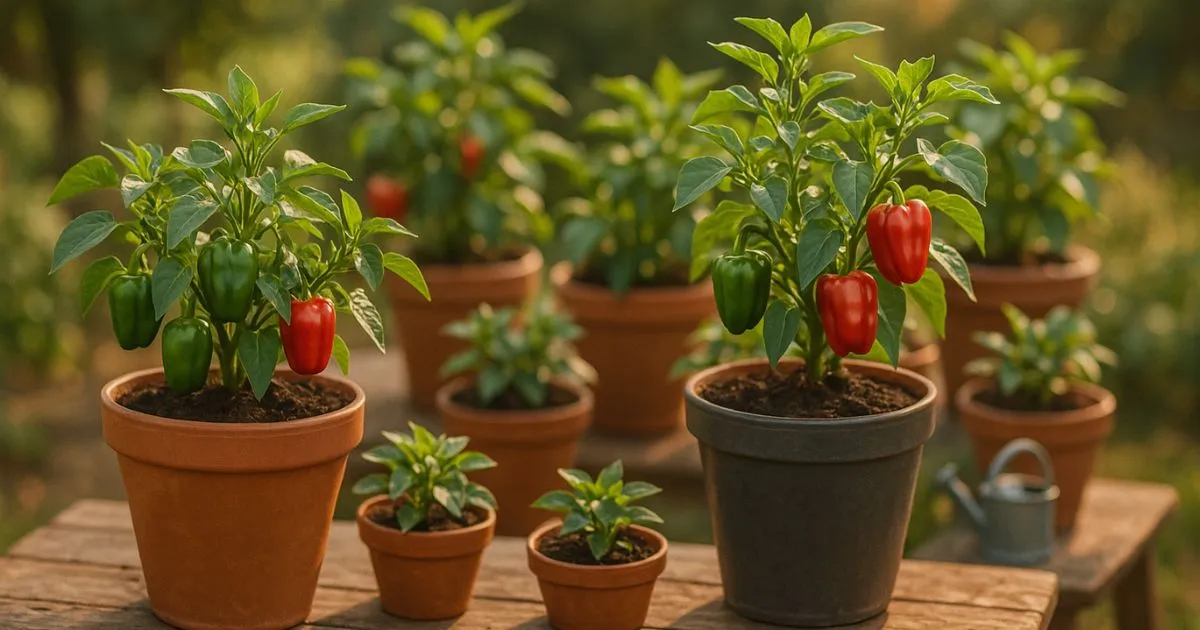
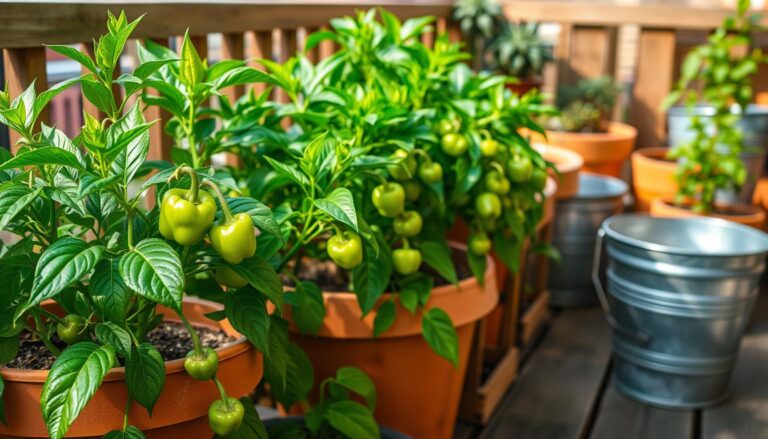
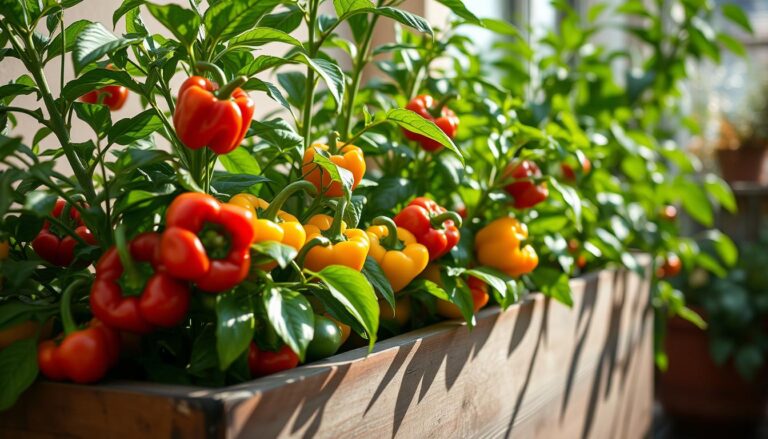
Imagine stepping outside your balcony or patio and spotting flashes of red, yellow, and green peeking from leafy plants you nurtured yourself. The thrill of harvesting crisp, sweet bell peppers straight from your own container garden is something you can’t buy at a grocery store.
You don’t need a backyard, greenhouse, or fancy tools to experience this. With the right soil, sunlight, and care, growing bell peppers in pots can be as easy as tending to a few houseplants. Whether you’re short on space or simply love the idea of homegrown produce, this guide will walk you through every step — from selecting your containers to your first harvest and beyond.
Table of Contents
Why Grow Bell Peppers in Pots
Growing bell peppers in pots gives you total control over the environment. You decide the soil quality, the watering schedule, and the sunlight exposure — everything that helps your peppers thrive.
Here’s why this method is becoming so popular among home gardeners:
- Perfect for small spaces: Ideal for balconies, patios, and windowsills.
- Pest and disease control: Containers limit exposure to soil-borne issues.
- Easier to manage: You can move pots around to follow the sun or protect plants from cold.
- Better yields: Controlled growing conditions mean stronger plants and healthier fruit.
- Sustainable and affordable: You can reuse old buckets, planters, or grow bags to save money.
Experts from the University of California Agriculture and Natural Resources note that peppers thrive in warm, contained spaces, making containers one of the most efficient ways to grow them.
Choosing the Right Container for Bell Peppers
Your container choice plays a huge role in your pepper plant’s success. Bell peppers need space for roots to expand and proper drainage to prevent rot.
Container Size and Material
- Each bell pepper plant needs at least 5 gallons of soil.
- A container that’s 12 inches deep and wide works well for one plant.
- Ensure multiple drainage holes to avoid soggy roots.
Best Container Types
| Container Type | Advantages | Drawbacks |
|---|---|---|
| Plastic Pots | Lightweight, affordable, and easy to move | Can retain heat in direct sunlight |
| Fabric Grow Bags | Great drainage and airflow | Dry out quickly; need frequent watering |
| Terracotta Pots | Classic look and breathable | Heavy and prone to drying fast |
| Wooden Planters | Excellent insulation and aesthetic | May rot without a liner |
| Metal Containers | Durable and stylish | Can overheat roots or rust over time |
Pro Tip: If you live in a hot area, use light-colored containers to prevent overheating.
Selecting the Right Pepper Varieties for Containers
Not every pepper variety thrives in pots, but plenty do. Compact and early-maturing types work best for container gardening.
Recommended Bell Pepper Varieties
- Mini Bell: Small and colorful with a sweet taste — ideal for tight spaces.
- California Wonder: A favorite among home gardeners for its consistency and yield.
- Red Beauty: Gorgeous, rich red fruits with a robust flavor.
- Gypsy: A hybrid variety that grows fast and resists common pepper diseases.
Seeds vs. Transplants
- Seeds: Cost-effective and satisfying but take longer to mature.
- Transplants: Great for quick results — choose ones with sturdy stems and vibrant leaves.
Starting from Seeds
If you’re starting from scratch:
- Sow seeds indoors 8–10 weeks before your last frost date.
- Keep soil temperature between 75–85°F (24–29°C).
- Use grow lights or a sunny windowsill to ensure strong growth.
- Transplant when seedlings are 6–8 inches tall and night temperatures stay above 60°F.
Preparing the Perfect Soil Mix
Soil is where your peppers get their strength, flavor, and resilience. When growing bell peppers in pots, a lightweight, well-draining soil mix is crucial.
Ideal Soil Blend
Use this balanced mix for nutrient-rich, airy soil:
- 50% potting mix
- 30% compost or aged manure
- 10% perlite or vermiculite
- 10% coco coir or peat moss
This combination keeps the soil light enough for root growth while holding moisture without getting waterlogged.
Fertilizing Your Bell Peppers
- Add a slow-release fertilizer (10-10-10 NPK) when planting.
- Feed your plants every 2–3 weeks with organic liquid fertilizer.
- Mix in Epsom salt (1 tbsp per gallon of water) monthly to boost magnesium and prevent blossom-end rot.
A healthy soil mix and consistent feeding will reward you with vibrant leaves and large, juicy peppers.
Step-by-Step Guide to Growing Bell Peppers in Pots
Step 1 – Prepare the Container
- Add a 2-inch layer of gravel or stones to improve drainage.
- Fill the pot with your soil mix, leaving 2–3 inches of space at the top.
- Lightly water to moisten before planting.
Step 2 – Plant Your Peppers
- Plant one pepper per container to allow for proper root growth.
- Dig a small hole deep enough to cover the roots and the base of the stem.
- Gently press soil around the plant and water thoroughly.
Step 3 – Sunlight and Temperature
- Peppers love warmth — aim for 6–8 hours of full sun daily.
- Ideal temperatures: 70–85°F (21–29°C).
- If it gets chilly, move containers indoors or use row covers to trap heat.
Step 4 – Watering Routine
- Water deeply 2–3 times per week, depending on climate.
- Let the top inch of soil dry out before watering again.
- Avoid wetting the leaves — focus water at the base.
Step 5 – Pruning and Support
- Once plants reach 10 inches tall, remove lower leaves to prevent disease.
- Add small stakes or cages to support branches as fruit develops.
- Pinch off early blooms to encourage stronger root growth.
Common Problems When Growing Bell Peppers in Pots
Even the most attentive gardeners face challenges. The key is to recognize and correct issues early.
Yellowing Leaves
Cause: Overwatering or nutrient deficiency.
Fix: Reduce watering and feed with compost or magnesium-rich fertilizer.
Blossom End Rot
Cause: Calcium deficiency or inconsistent watering.
Fix: Maintain steady moisture and add calcium through fertilizer or crushed eggshells.
Pests
Common pests: Aphids, spider mites, and whiteflies.
Solutions:
- Spray neem oil or insecticidal soap weekly.
- Encourage natural predators like ladybugs.
- Wipe leaves gently with a mild soap-water mix.
Sunscald
Cause: Overexposure to direct sunlight.
Fix: Move containers to a slightly shaded spot during peak heat hours.
Consistency in care keeps these problems minimal and your plants thriving.
Harvesting and Storing Your Bell Peppers
There’s no better moment than harvesting your first homegrown peppers. Knowing the right time and method makes all the difference.
When to Harvest
- Harvest green bell peppers 60–90 days after transplanting.
- For red, orange, or yellow varieties, wait an additional 2–3 weeks.
- Use garden scissors or pruning shears to avoid damaging the plant.
How to Store Peppers
- Store unwashed peppers in a refrigerator’s crisper drawer for up to two weeks.
- Freeze sliced peppers for long-term use.
- Roast or dry them to preserve flavor and extend shelf life.
Delicious Recipe with Homegrown Bell Peppers
Now that you’ve mastered growing bell peppers in pots, here’s an easy way to enjoy your harvest.
Stuffed Bell Peppers Recipe
| Ingredient | Quantity |
|---|---|
| Bell Peppers | 4 medium |
| Ground Meat or Lentils | 1 lb |
| Cooked Rice | 1 cup |
| Onion (chopped) | 1 |
| Garlic (minced) | 3 cloves |
| Tomato Sauce | 1 cup |
| Olive Oil | 2 tbsp |
| Salt & Pepper | To taste |
Instructions:
- Preheat oven to 375°F (190°C).
- Cut tops off peppers and remove seeds.
- Sauté onion, garlic, and meat/lentils in olive oil.
- Add cooked rice and tomato sauce; season to taste.
- Stuff each pepper and place in a baking dish.
- Bake for 30–35 minutes or until tender.
Serving Tip: Drizzle with olive oil and sprinkle fresh herbs before serving.
This dish showcases the freshness and sweetness of homegrown peppers — truly garden-to-table perfection.
FAQs About Growing Bell Peppers in Pots
How many bell peppers can I grow in one pot?
One plant per 5-gallon container is best for healthy growth and good fruit size.
Do bell peppers need full sun?
Yes, they need at least 6–8 hours of direct sunlight daily.
Can I grow bell peppers indoors?
Yes! Use grow lights if you don’t get enough natural sun.
How long does it take to grow bell peppers in pots?
Generally, 60–90 days for green peppers and 90–120 days for colored varieties.
Why are my peppers small?
They might need more sunlight, fertilizer, or consistent watering.
Conclusion: Start Growing Bell Peppers in Pots Today
You don’t need acres of land to enjoy the taste of homegrown produce. A single pot, a bit of sunshine, and your care can turn a balcony or window ledge into a thriving pepper garden.
Growing bell peppers in pots connects you to the rhythm of nature — from planting tiny seeds to harvesting colorful fruits. The satisfaction you’ll feel when slicing into a crisp, homegrown pepper will make every effort worth it.
So grab a pot, some soil, and a handful of seeds. Start today, nurture your plants, and soon you’ll be savoring the vibrant taste of success — one pepper at a time.