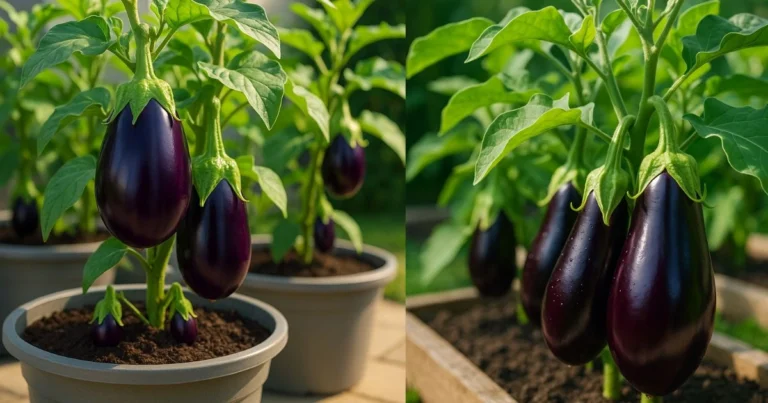
Growing Eggplant Spacing — Your Complete Guide to Proper Eggplant Placement in Containers
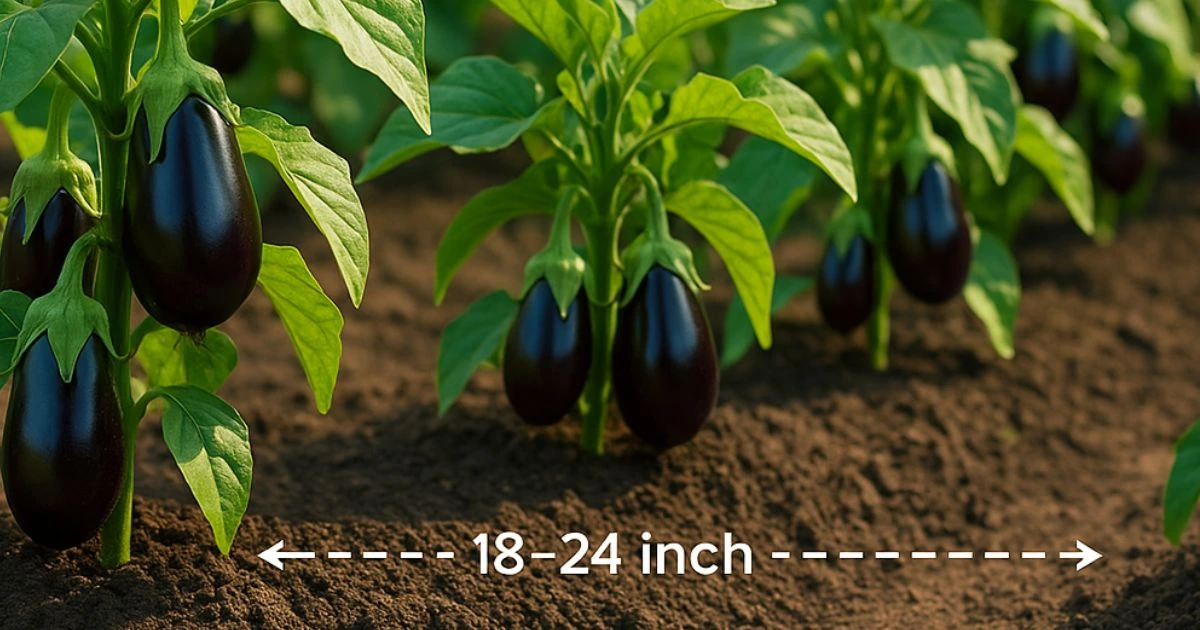
Growing eggplant spacing correctly is one of the most important steps in ensuring your eggplant plants grow strong, healthy, and highly productive. When you give each plant enough room, you’re giving it the chance to develop solid roots, expand its foliage, receive full sunlight, and produce more fruit. Eggplants naturally need warmth, airflow, and space to thrive, and getting the spacing right in container gardening can significantly improve your results.
You may already know how rewarding it feels to watch an eggplant plant grow, especially when the leaves deepen in color and the first blossoms appear. But if you’ve ever dealt with leggy stems, small fruits, poor pollination, or pest issues, chances are spacing played a larger role than you realize. The right spacing helps your eggplants avoid competition for nutrients, reduces humidity-related diseases, and supports the full development of each fruit.
Whether you’re planting on a small balcony, patio, or in a compact urban garden, mastering spacing is what turns your growing efforts into a thriving harvest. This guide will show you exactly how to space your eggplants and containers to get the healthiest plants and the highest yields possible.
Table of Contents
Why Growing Eggplant Spacing Matters in Containers
Spacing isn’t just a gardening detail — it’s one of the main factors that influence your plants’ health, size, and fruit production. Eggplants grow with large leaves, thick stems, and broad canopies, needing plenty of airflow and room.
Benefits of Proper Spacing
When you use correct spacing while growing eggplant in containers, you gain:
- Better airflow, preventing fungal diseases
- Stronger root development
- Healthier leaves with fewer pest issues
- Better sun exposure on all sides of the plant
- More flowers, leading to more fruit
- Higher yields throughout the growing season
Proper spacing also reduces humidity around the plant, lowering the risk of fungal diseases. The University of Minnesota Extension provides excellent guidance on container gardening environmental management:
https://extension.umn.edu/planting-and-growing-guides/containers-and-potting-soils
Common Spacing Mistakes to Avoid
Many new gardeners unknowingly overcrowd their plants. Common mistakes include:
- Planting multiple eggplants in one small pot
- Placing containers too close together
- Using pots that are too small for the variety
- Ignoring the plant’s mature width
These mistakes lead to:
- Stunted growth
- Leaf yellowing
- Increased pest activity
- Fewer and smaller eggplants
For more spacing-related advice, the USDA provides general gardening spacing principles:
https://www.usda.gov/topics/gardening
Best Eggplant Varieties and How Spacing Affects Them
Choosing the right variety helps you determine how much space your containers need. Some eggplants stay compact while others grow taller and wider.
Compact Varieties Ideal for Small Containers
Compact eggplants thrive in tighter spaces with less distance between pots:
- Patio Baby
- Fairy Tale
- Little Fingers
- Hansel & Gretel
These varieties usually need less spacing because of their smaller bush structure.
Larger Varieties That Need More Space
When growing larger eggplants, spacing becomes more important:
- Black Beauty
- Nadia
- Pingtung Long
These varieties develop bigger leaves and stems, needing wider spacing between containers.
Cornell University offers variety-specific guidance for eggplant performance:
https://cals.cornell.edu/home-gardening/vegetables
Eggplant Variety Spacing Comparison Table
| Variety | Plant Size | Days to Harvest | Ideal Pot Size | Recommended Spacing |
|---|---|---|---|---|
| Patio Baby | Small | 45–50 | 3–5 gal | 12–16 inches |
| Fairy Tale | Small | 50–60 | 5–7 gal | 14–18 inches |
| Ichiban | Medium | 55–60 | 7–10 gal | 16–20 inches |
| Black Beauty | Large | 75–80 | 10+ gal | 20–24 inches |
Choosing Containers That Support Proper Growing Eggplant Spacing
Eggplant spacing depends heavily on container size, shape, and placement.
Ideal Pot Sizes for Good Spacing
To ensure proper spacing for growth:
- Minimum: 5 gallons
- Best size: 7–10 gallons
- Depth: 12–14 inches
Larger pots provide stronger root systems, which reduce stress and help fruit develop properly.
Best Materials for Containers
Depending on your climate and space, choose containers that support airflow and control moisture:
- Fabric grow bags: Excellent drainage and root aeration
- Plastic pots: Lightweight, retain moisture longer
- Glazed ceramic pots: Attractive and stable but heavier
Container Placement for Proper Spacing
To get spacing right:
- Leave 12–24 inches between containers depending on the variety
- Ensure sunlight can reach all sides of each plant
- Avoid pushing pots too close together to “save space”
- Maintain space behind the containers for airflow
Colorado State University Extension provides helpful container spacing insights:
https://cmg.extension.colostate.edu
Soil, Fertilizer, and Water Requirements for Proper Eggplant Spacing
Good spacing works best when combined with good soil, feeding, and moisture control.
Ideal Soil Mix for Eggplants
Eggplants grow best in loose, fertile soil with proper aeration. A preferred container mix includes:
- 50% premium potting soil
- 25% rich compost
- 25% perlite or coco coir
- Soil pH between 5.8 and 6.5
This helps roots extend fully, supporting proper spacing effects.
Penn State Extension offers reliable soil preparation information:
https://extension.psu.edu/soil-preparation
Fertilizer Needs for Eggplants
Eggplants are heavy feeders, so spacing helps ensure they don’t fight each other for nutrients.
Feed your plants with:
- Slow-release fertilizer mixed into the soil
- Liquid fertilizer every 2–3 weeks
- Higher nitrogen early in the season
- More phosphorus and potassium when fruiting begins
Watering Eggplants in Containers
With proper spacing, watering becomes easier and more consistent because pots aren’t blocking airflow.
To water correctly:
- Water when the top inch feels dry
- Water deeply so roots absorb fully
- Avoid overhead watering
- Mulch the soil surface to retain moisture
Planting Guide — How to Achieve Perfect Growing Eggplant Spacing
Starting Seeds for Proper Spacing
To prepare seedlings correctly:
- Start seeds indoors 6–8 weeks before frost
- Keep soil warm (70–85°F)
- Provide strong light (grow lights or south-facing window)
- Thin seedlings to prevent overcrowding
- Harden off outdoors before planting
Transplanting Eggplants into Containers
For proper spacing during transplanting:
- Plant one eggplant per pot
- Use containers sized according to the variety
- Leave 12–24 inches between pots
- Keep plants in full sunlight
Sunlight and Spacing Work Together
Proper spacing ensures sunlight reaches all leaves:
- Eggplants need 6–8 hours of direct sunlight
- Rotate containers weekly
- Prevent shading from nearby pots or walls
University of Illinois Extension explains seedling growth and light needs:
https://extension.illinois.edu/veggies
Caring for Eggplants Throughout the Season
Supporting Your Eggplants
As eggplants grow taller and heavier:
- Use bamboo stakes
- Add a small cage for larger varieties
- Tie stems gently with cloth or soft ties
Pruning for Better Spacing Efficiency
Spacing and pruning go hand in hand. To prune:
- Remove bottom leaves touching soil
- Clear out interior branches to improve airflow
- Cut off dead or diseased leaves
- Pinch early flowers on very young plants
Pest and Disease Control
Proper spacing reduces humidity and pest pressure, but still watch for:
- Flea beetles
- Whiteflies
- Aphids
- Spider mites
Diseases prevented through spacing:
- Verticillium wilt
- Fusarium wilt
- Leaf spot
- Mildew
Rutgers Cooperative Extension provides organic pest-control information:
https://njaes.rutgers.edu
Harvesting, Storing, and Enjoying Homegrown Eggplants
When Eggplants Are Ready for Harvest
Your eggplants are ready when:
- The skin looks glossy
- The fruit feels firm
- Seeds are pale and soft
- The fruit springs back when squeezed
Storing Eggplants Properly
To keep eggplants fresh:
- Store in a cool, dry place
- Refrigerate only for short periods
- Do not wash before storing
- Use within 3–5 days for best flavor
Easy Recipe: Grilled Eggplant Salad
Ingredients Table
| Ingredient | Amount | Notes |
|---|---|---|
| Eggplant slices | 2 cups | Freshly harvested |
| Olive oil | 2 tbsp | — |
| Lemon juice | 1 tbsp | Fresh |
| Garlic | 1 clove | Minced |
| Fresh herbs | 2 tbsp | Basil or parsley |
| Salt & pepper | To taste | — |
Instructions
- Brush eggplant slices with olive oil
- Grill until tender and lightly charred
- Mix lemon juice, garlic, herbs
- Toss eggplant with mixture
- Serve warm or chilled
FAQs — Growing Eggplant Spacing in Containers
How much space do eggplants need?
Most eggplants need 12–24 inches between containers depending on the variety.
Why does spacing affect eggplant health?
Good spacing improves airflow, reduces pests, and increases sunlight exposure.
How big should my pot be?
Use a 5–10 gallon pot based on the variety.
Can I plant two eggplants in one pot?
Only if the container is 15+ gallons and the variety is compact.
Does spacing affect yield?
Yes — better spacing results in stronger plants and larger harvests.
Conclusion — Start Growing Eggplants with Proper Spacing Today
Growing eggplant spacing properly can transform your gardening experience. When you give your plants room to grow, they repay you with stronger stems, healthier leaves, and bigger fruit production. Whether you’re gardening on a balcony, patio, or in a tight urban space, proper spacing is the foundation of success.
By choosing the right pot size, leaving enough space between containers, pruning when needed, and providing good soil and sunlight, you’ll create the ideal environment for your eggplants to flourish.
Start today by choosing your favorite variety and giving it the space it deserves — your first perfect eggplant is closer than you think.