Growing Peppers in Pots: How to Grow Healthy, High-Yield Peppers in Containers
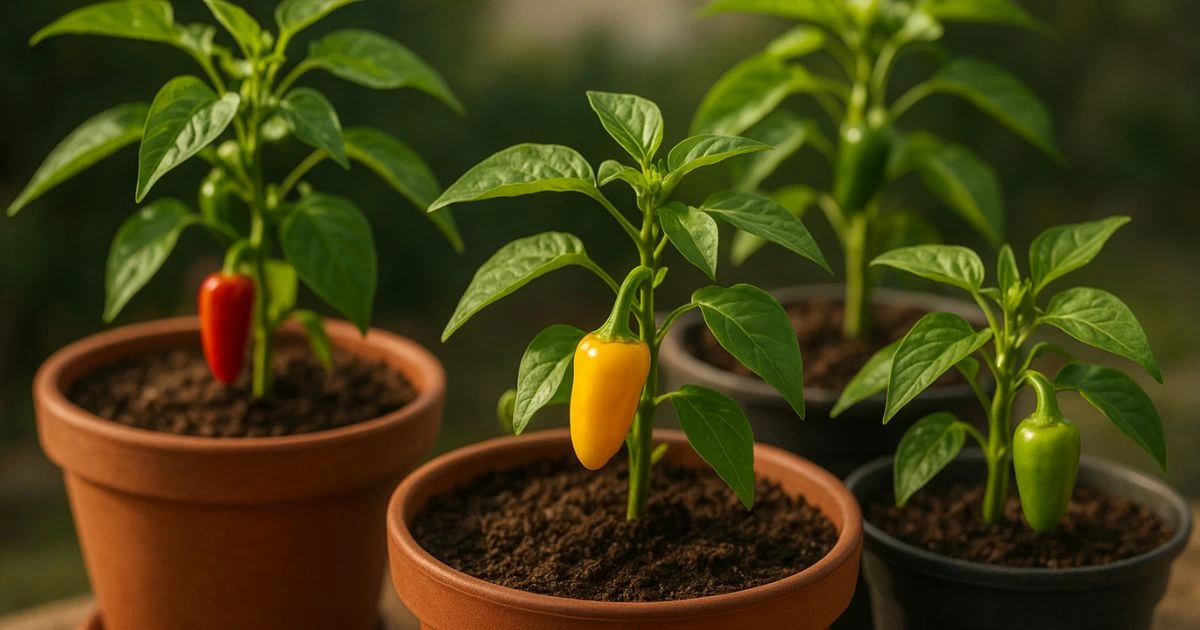
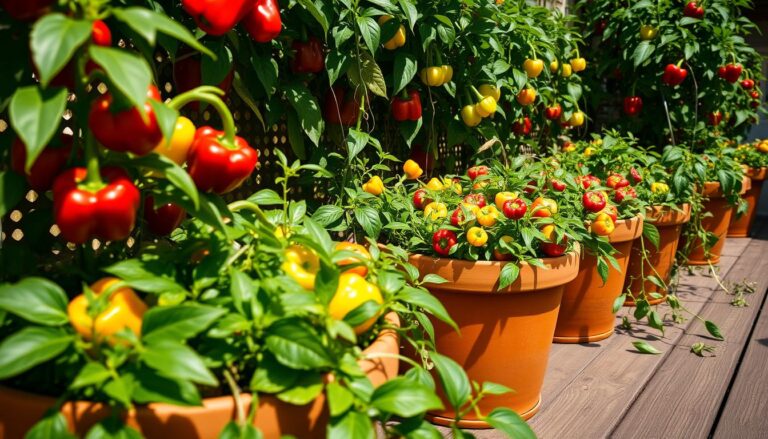
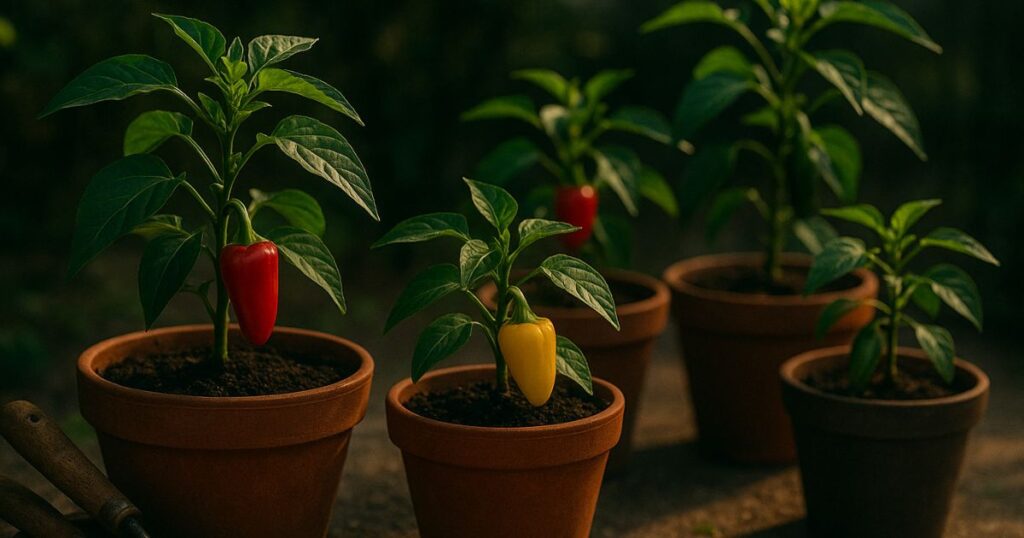
If you’ve always wanted to grow your own peppers but don’t have a large garden, growing peppers in pots gives you a practical, flexible solution. You can place containers on balconies, patios, doorsteps, or anywhere you receive sunlight. Growing peppers in pots makes it easy for you to manage soil quality, moisture, and warmth, which are all essential for productive plants. With the right setup, you can raise vibrant bell peppers, sweet peppers, or spicy varieties right where you live.
Growing peppers in pots also lets you start small and scale as you gain confidence. Whether you’re a beginner or someone wanting to maximize a limited space, this method offers a simple and rewarding way to enjoy fresh, homegrown produce.
Table of Contents
Why Choose Container Gardening for Peppers
There are several advantages to growing peppers in pots, especially if you want control and convenience. Container gardening peppers lets you adjust placement, manage pests more efficiently, and maintain an optimal growing environment.
For best practices see the Royal Horticultural Society’s guidance on container gardening: Royal Horticultural Society guidance on container gardening.
Benefits of Growing Peppers in Pots
- You can garden in small spaces like balconies, decks, or porches.
- Containers allow you to move plants for better sunlight or heat.
- Soil is easier to manage compared to in-ground beds.
- Growing peppers in pots can reduce exposure to soil-borne diseases.
- You can grow multiple varieties without taking up much space.
Growing peppers in pots is also beneficial if you live in a climate with fluctuating temperatures. You can move your plants indoors or to a sheltered area if the weather suddenly changes.
Best Pepper Varieties for Containers
Some varieties perform exceptionally well in containers and produce excellent yields even in confined spaces. Good choices include:
- Bell peppers: Mini Bell, California Wonder, Red Beauty
- Hot peppers: Jalapeño, Cayenne, Thai chili
- Sweet peppers: Banana peppers, Lunchbox peppers
When selecting your varieties, consider your climate, available sunlight, and the flavors you enjoy cooking with.
Choosing the Right Containers for Peppers
Growing peppers in pots requires choosing the correct container size. Peppers need room for roots to expand, otherwise growth and yield suffer.
Ideal Container Size and Type
Each pepper plant should have its own container of at least 3–5 gallons. Larger plants, like bell peppers, thrive in 5-gallon containers. Since growing peppers in pots limits root space, selecting the right container size directly affects plant strength and productivity.
Here’s a simple comparison chart to help you choose:
| Container Type | Advantages | Disadvantages | Best For |
|---|---|---|---|
| Plastic Pots | Hold moisture, lightweight | Heat up quickly | Beginners |
| Terracotta Pots | Excellent airflow | Dry out faster | Hot climates |
| Grow Bags | Good drainage, portable | Wear down over time | Small-space gardeners |
Whatever you choose, make sure the container has good drainage. Growing peppers in pots makes drainage especially important because excess water has nowhere to escape except through the bottom.
The Best Soil and Fertilizer for Container Peppers
Soil quality plays a major role in the success of growing peppers in pots. Good soil provides the nutrients, structure, and moisture balance your plants need.
For soil mixes and feeding recommendations, consult University of California Agriculture & Natural Resources: UC ANR recommendations for soil and fertilization.
Creating the Ideal Potting Mix
Use a lightweight, well-draining mix. Garden soil is too dense for containers and may introduce pests. A good blend for growing peppers in pots includes:
- 50% potting soil
- 25% compost
- 25% perlite or coco coir
This mixture keeps roots well-aerated and retains just the right amount of moisture. Maintaining a soil pH between 6.0 and 6.8 supports healthy root growth.
Fertilizing Your Peppers
Peppers need consistent nutrition. You can apply a balanced fertilizer (10-10-10) every 2–3 weeks. Organic alternatives such as compost tea, liquid seaweed, or fish emulsion also work well.
A key advantage of growing peppers in pots is the ability to manage nutrients precisely. Since containers lose nutrients faster than garden beds, regular feeding helps keep your plants strong and productive.
How to Plant and Grow Peppers in Pots
Once your soil and containers are ready, you can start planting. Growing peppers in pots is straightforward if you follow a few simple steps.
Starting from Seeds
If starting from seeds:
- Begin 8–10 weeks before the last frost.
- Keep the soil warm (70–80°F) and lightly moist.
- Provide sufficient light to prevent leggy seedlings.
If seedlings stretch or tilt toward the light, move them to a brighter location. Growing peppers in pots often results in compact, sturdy plants when seedlings receive enough light.
Using Transplants
Transplants save time. Before planting outdoors, harden them off by gradually exposing them to sun and wind over a week.
Planting Steps
- Fill your container with prepared soil, leaving an inch at the top.
- Plant the seedling slightly deeper than before to strengthen the stem.
- Water thoroughly.
- Place the container in full sun.
- Add mulch to conserve moisture and regulate temperature.
Growing peppers in pots allows you to optimize placement. If one spot in your yard gets better morning sun, simply move the pot.
Caring for Your Potted Peppers
Keeping peppers healthy in containers requires attention to watering, sunlight, and support. With consistency, growing peppers in pots becomes predictable and manageable.
Watering Routine
Check soil daily because pots dry out faster than in-ground beds. Water when the top inch feels dry. Overwatering is a common issue, and growing peppers in pots means roots can’t escape soggy conditions—so proper moisture balance is essential.
Sunlight and Temperature
Peppers thrive in warm weather and need:
- 6–8 hours of direct sunlight
- Daytime temperatures of 70–85°F
- Nighttime temperatures above 55°F
Growing peppers in pots gives you the advantage of adjusting their location to capture maximum sunlight.
Pruning and Support
Remove any yellowing leaves and those touching the soil. Tall pepper varieties benefit from stakes or small cages. Since growing peppers in pots can lead to more compact growth, minor pruning helps improve airflow and fruit size.
Preventing Pests and Diseases
Even though container gardening reduces many problems, you may still encounter pests or diseases.
Common Pests
- Aphids
- Whiteflies
- Spider mites
Use neem oil, insecticidal soap, or companion plants like basil to deter pests naturally. Growing peppers in pots makes it easy to isolate affected plants before pests spread.
If you need identification or control methods for pests and diseases, check USDA/Extension resources: USDA plant pest and disease resources.
Common Diseases
- Blossom end rot
- Powdery mildew
- Bacterial leaf spot
To prevent these issues:
- Avoid overwatering
- Ensure good drainage
- Improve airflow around plants
If you notice symptoms early, growing peppers in pots lets you react quickly since each plant is isolated.
Harvesting and Enjoying Your Peppers
Harvesting is the most rewarding part of growing peppers in pots. When peppers reach their full color and firmness, they’re ready to pick.
When to Harvest
Most peppers mature 60–90 days after transplanting. Use sharp scissors to avoid damaging stems.
Storage and Preservation
Store peppers in the refrigerator or preserve them by:
- Freezing
- Drying
- Pickling
Growing peppers in pots means your harvest may be smaller but often more manageable and easier to use immediately.
For best practices on curing and storing vegetables, follow USDA/Extension guidance: USDA vegetable storage tips.
Simple Stuffed Pepper Recipe
| Ingredient | Quantity | Notes |
|---|---|---|
| Bell peppers | 4 | Any color |
| Cooked rice | 1 cup | Warm |
| Ground meat or beans | 1 cup | Protein |
| Tomato sauce | 1/2 cup | Flavor |
| Cheese | 1/2 cup | Optional |
Instructions:
Cut the tops off the peppers, remove seeds, mix the filling ingredients, stuff, and bake at 375°F for 25 minutes.
Troubleshooting Common Problems
Peppers Not Fruiting
Possible causes:
- Insufficient sunlight
- Excess nitrogen
- Low pollination
You can hand-pollinate flowers with a small brush. This is one area where growing peppers in pots gives you more control, since plants are accessible and easy to inspect.
Yellowing Leaves
Often caused by:
- Overwatering
- Nutrient deficiency
- Cold temperatures
Leggy Seedlings
Usually due to lack of light. Move seedlings to a brighter spot or use grow lights.
Frequently Asked Questions about Container Gardening Peppers
How many pepper plants can I grow in one pot?
One plant per 3–5 gallon container is ideal.
Can you grow peppers indoors?
Yes, as long as you provide bright light or grow lights.
How often should I fertilize container peppers?
Every 2–3 weeks with balanced fertilizer.
Do peppers need full sun?
Yes, peppers need 6–8 hours of direct sun to thrive.
What’s the best container size for bell peppers?
A 12-inch-deep, 5-gallon container works best.
Conclusion: Start Growing Peppers in Pots Today
Growing peppers in pots gives you flexibility, space efficiency, and the ability to grow fresh produce regardless of your living situation. By choosing the right container, soil, and care routine, you’ll enjoy healthy, productive plants all season long. Whether you want sweet bell peppers or spicy chilies, growing peppers in pots allows you to grow exactly what you love.
Start today with one container and a single plant—and watch how quickly your confidence and your harvest grow.