How Do You Plant a Flower Garden? Beginner-Friendly Guide With Easy Steps
There’s a moment every new gardener remembers — that first time you look at a patch of soil and imagine it overflowing with color. Maybe you’ve paused in front of someone else’s yard, wondering how they created something so peaceful and alive. Maybe you’ve held a packet of seeds in your hand and felt excitement mixed with uncertainty.
If you’ve ever asked yourself how do you plant a flower garden, you’re already closer than you think. Creating a garden isn’t about perfection or expensive supplies. It’s about taking small steps that bring beauty into your daily life. Your garden doesn’t need to be big, complicated, or flawless. What it needs is your willingness to begin — and a simple, beginner-friendly plan to help you do it confidently.
This guide will walk you through everything you need to know: choosing the right flowers, preparing soil, planning your layout, planting, watering, fertilizing, dealing with pests, maintaining growth, and keeping your garden blooming all season long. Each step is written with true beginners in mind, so you always know exactly what to do next.
Let’s start building the flower garden you’ve been dreaming about.
Table of Contents
What to Know Before You Plant a Flower Garden
Understanding the basics makes everything easier
Before you pick up a shovel or plant your first seed, it helps to understand a few essential concepts that set you up for success.
Know Your Growing Zone
Your USDA growing zone determines which flowers thrive in your region. Choosing plants that match your zone means fewer struggles and healthier growth.
🔗 Check your zone: https://planthardiness.ars.usda.gov/
Sunlight Matters More Than You Think
Most flowers need 6–8 hours of direct sunlight to bloom well. Others prefer shade or part-sun.
Understanding sunlight helps you choose flowers that match your space.
Start Simple
As a beginner, pick flowers that are:
- Easy to grow
- Resistant to pests
- Forgiving if you forget to water
- Known for heavy blooming
Why Soil Matters
Healthy soil = healthy plants.
If your soil is too hard, too sandy, or lacking nutrients, your flowers will struggle — even if you choose the right varieties.
Your Garden Doesn’t Have to Be Big
A successful flower garden can be:
- A small raised bed
- A few containers
- A corner of your yard
- A border along a walkway
Start small and grow confidently.
Choosing the Right Flowers for Beginners
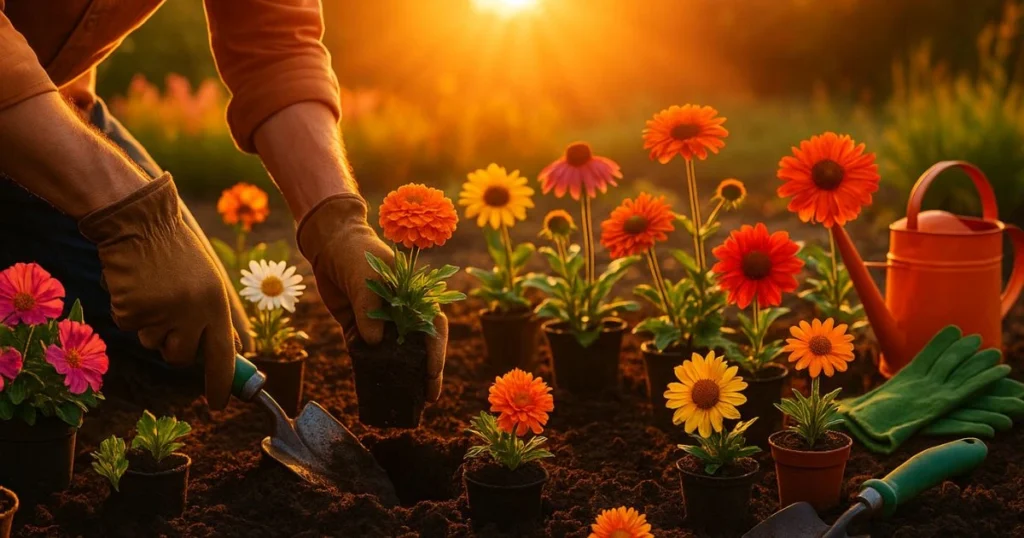
Easy flowers help you build confidence fast
The flowers you choose will determine how enjoyable your gardening experience feels. Here are the best beginner-friendly options.
Easiest Annual Flowers for New Gardeners
Annuals bloom nonstop through the season, giving you quick color and fast results.
Zinnias
Bright, bold, and extremely easy to grow. They love heat and reward you with nonstop blooms.
Cosmos
Delicate, airy flowers that add softness and movement to your garden.
Sunflowers
Tall, cheerful, and surprisingly simple to grow.
Marigolds
Beginner-friendly, pest-resistant, and great for borders.
Petunias
Perfect for containers and long-lasting color.
Beginner-Friendly Perennial Flowers
Perennials return every year, making them a long-term investment for your garden.
Coneflowers
Heat-tolerant, pollinator-friendly, and long-lasting blooms.
Shasta Daisies
Classic white petals that brighten any space.
Black-Eyed Susans
Vibrant gold petals that thrive in full sunlight.
Lavender
Fragrant, drought-tolerant, and great for borders.
Coreopsis
Soft, cheerful flowers with low water needs.
Shade-Tolerant Beginner Flowers
If your yard gets only partial sunlight, choose flowers that thrive in less intense light.
Hostas
Beautiful foliage and easy to care for.
Impatiens
One of the best shade-loving bloomers.
Astilbe
Feathery flower clusters perfect for damp shade.
Begonias
Reliable color in partial shade.
Planning Your First Flower Garden Layout
A thoughtful layout makes planting and maintenance easier
Before planting, spend a little time planning. A well-designed layout helps your garden look organized and bloom evenly.
How to Choose the Best Spot
Look for a location with:
- Full sun or partial sun, depending on your flowers
- Good drainage
- Easy access to water
- Enough space to move between rows
- Visibility from your home (so you can enjoy it daily)
Simple Layout Tips That Always Work
You don’t need design experience to create a beautiful layout. Use these beginner-friendly principles.
Place Tall Flowers in the Back
Examples:
- Sunflowers
- Hollyhocks
- Delphiniums
Medium-Height Flowers Go in the Middle
Examples:
- Zinnias
- Coneflowers
- Daisies
Low-Growing Flowers Along the Front
Examples:
- Marigolds
- Alyssum
- Dianthus
Group Flowers in Odd Numbers
Clusters of 3 or 5 look more natural than even groupings.
Match Colors for Flow
Choose complementary combinations like:
- Pink + purple + white
- Yellow + orange + red
- Blue + white + lavender
Preparing Soil for a Healthy Flower Garden
Good soil = stronger roots, better blooms, fewer problems
Healthy soil helps your flowers grow faster, bloom longer, and resist disease.
Ideal Soil Conditions
- Loamy texture
- Well-draining
- Rich in organic matter
- pH between 6.0 and 7.0
How to Improve Your Soil
- Add compost to increase nutrients
- Mix in aged manure for richness
- Use perlite or coarse sand for drainage
- Apply mulch to regulate moisture
Do a Soil Test
A soil test reveals nutrient levels and pH so you know exactly what your garden needs.
🔗 Soil testing help: https://www.extension.org/
How Do You Plant a Flower Garden Step-by-Step
Your beginner-friendly planting guide
Planting is where the magic truly begins. Follow these simple steps for reliable success.
Step-by-Step Planting Method
1. Clear the Area
Remove weeds, rocks, roots, and debris.
2. Loosen the Soil
Use a trowel or garden fork to loosen the soil 8–12 inches deep.
3. Add Compost
Mix compost directly into the loosened soil.
4. Dig Planting Holes
Make holes slightly wider than the root ball.
5. Water the Holes First
Moist soil helps roots establish immediately.
6. Plant at Soil Level
Position flowers so the base sits even with the soil surface.
7. Backfill Gently
Fill the hole, press lightly, and remove air pockets.
8. Water Thoroughly
Give your newly planted flowers a deep, even soak.
9. Mulch Around the Plants
Mulch protects moisture and reduces weeds.
Seeds vs Transplants for Beginners
Which option is right for you?
Comparison Table
| Option | Pros | Cons |
|---|---|---|
| Seeds | Affordable, wide variety | Slower start, requires thinning |
| Transplants | Faster blooms, simple for beginners | Costs more, limited varieties |
Watering Tips for Beginners
Watering well is more important than watering often
Best Watering Practices
- Water early in the morning
- Soak soil deeply
- Avoid wetting leaves
- Water 2–3 times per week (depending on heat and soil)
How to Check Soil Moisture
Insert your finger 2–3 inches deep. If dry, it’s time to water.
Overwatering Signs
- Yellowing leaves
- Mushy stems
- Slow growth
Fertilizer Recipes for Beginner Flower Gardens
Simple DIY mix for stronger blooms
Homemade Fertilizer Table
| Ingredient | Amount | Benefit |
|---|---|---|
| Compost | 3 cups | Improves soil nutrients |
| Bone Meal | 1 cup | Supports root strength |
| Epsom Salt | 1 tbsp | Deepens bloom color |
| Fish Emulsion | 2 tbsp | Adds nitrogen |
| Slow-release fertilizer | ½ cup | Extended feeding |
How to Apply
- Mix ingredients
- Spread around each plant
- Water deeply
- Reapply monthly
Natural Pest Control Tips for Beginner Flower Gardens
Keep your blooms healthy without harsh chemicals
Even if you choose beginner-friendly flowers, pests can still show up once your garden starts growing. Thankfully, you don’t need heavy chemicals to keep them under control. A few simple and natural practices can protect your entire garden.
Common Pests in Beginner Flower Gardens
- Aphids
- Spider mites
- Thrips
- Caterpillars
- Japanese beetles
- Whiteflies
These pests tend to appear during warm, dry weather or when plants are stressed.
Beginner-Friendly, Natural Pest Solutions
✔ Neem Oil
A gentle, effective treatment for aphids, mites, and other small pests.
✔ Insecticidal Soap
Safe for beginners and efficient against soft-bodied insects.
✔ Ladybugs
A natural predator that helps control aphids and mites.
✔ Regular Pruning
Removes weak or diseased growth, making plants stronger.
✔ Mulch and Healthy Soil
Healthy plants resist pests naturally.
If you want research-based pest guidance:
🔗 UF/IFAS Gardening Solutions → https://gardeningsolutions.ifas.ufl.edu/
Maintaining Your Flower Garden Throughout the Season
Simple routines for healthy, beautiful growth
When you’re new to gardening, consistency matters far more than perfection. A few small habits every week will keep your garden thriving.
Weekly Tasks
- Water deeply if rain is low
- Deadhead faded blooms to encourage new ones
- Check leaves for pests or disease
- Remove weeds early before they spread
Monthly Tasks
- Add compost or a light fertilizer
- Refresh mulch in thin areas
- Trim plants that are getting too tall or floppy
Seasonal Tasks
- Replace annuals that have finished blooming
- Divide mature perennials to keep them healthy
- Clean up spent foliage to prevent disease
- Prepare soil for the next season
A simple rhythm like this helps your garden produce more color with less effort.
Conclusion
Creating your first flower garden is more than just planting seeds and hoping they grow. It’s learning how sunlight affects color, how soil influences strength, and how a little daily attention becomes something beautiful over time. When you understand how do you plant a flower garden step by step — choosing the right flowers, preparing soil, watering deeply, fertilizing gently, and maintaining your plants throughout the season — gardening becomes far less overwhelming and far more enjoyable.
Not only will your garden bloom, but your confidence will grow right along with it. And every time you see that first bud open, you’ll remember that you made it happen with small choices and a willingness to start.
If you’ve been waiting for a sign that it’s time to begin, this is it.
FAQ
How do you plant a flower garden for beginners?
Start by picking beginner-friendly flowers, choosing a sunny location, improving your soil, planting at the correct depth, watering thoroughly, and mulching to protect roots.
What flowers are easiest for beginners to grow?
Zinnias, cosmos, marigolds, daisies, and coneflowers are great starter options.
How much sunlight does a flower garden need?
Most flowers prefer 6–8 hours of direct sunlight each day.
Should I start my garden from seeds or transplants?
Transplants are easier for beginners, while seeds are more affordable and offer more variety.
How often should I water a new flower garden?
Water deeply 2–3 times per week, depending on temperature and soil.
What do I do if pests appear?
Use natural solutions like neem oil, insecticidal soap, or hand removal, and maintain healthy soil to reduce future issues.