How to Grow Potatoes in a Container: Your Complete Guide to Growing Fresh Spuds at Home
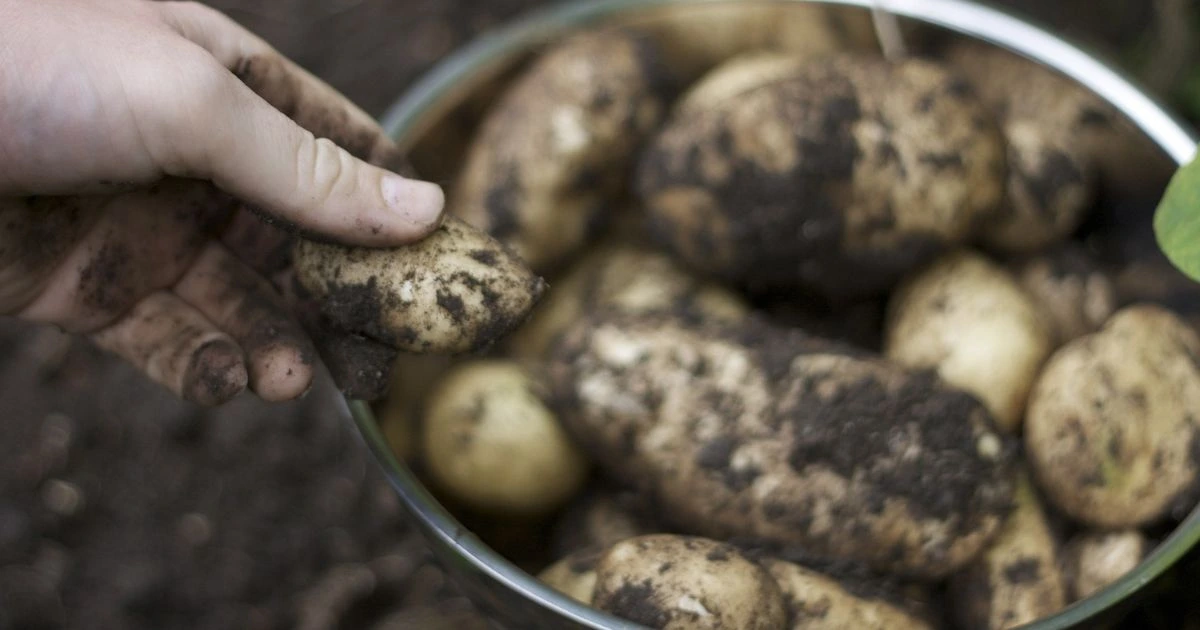
Have you ever dreamed of digging your hands into the soil and pulling up golden, homegrown potatoes? That satisfying crunch when you scrub away the dirt, the earthy aroma, the pride that whispers, you grew this yourself. You don’t need acres of farmland to experience that joy — just a container, some soil, and a spark of curiosity.
Whether you live in an apartment, a townhouse, or have limited yard space, container potato gardening lets you harvest real food from your own patio, balcony, or even doorstep. In this guide, you’ll learn how to grow potatoes in a container step by step — from choosing the right variety to cooking your first batch of buttery, homegrown spuds.
Table of Contents
Why Grow Potatoes in Containers? (Benefits You’ll Love)
You might wonder — why bother growing potatoes in containers when you can just buy them at the store? The answer is simple: taste, control, and the pure satisfaction of nurturing something from seed to harvest.
Here’s why container potato gardening is worth your time:
- Space-saving simplicity: You don’t need a big garden — a few buckets or bags will do.
- Fewer pests: Containers lift your plants away from ground-dwelling pests and disease.
- Clean and easy harvests: No digging through mud; just tip over your container.
- Soil control: You decide what goes into your soil — no chemicals, no surprises.
- Family fun: Kids love watching potatoes sprout and grow — it’s a hands-on science project with dinner as the reward.
Modern gardening experts, including the Royal Horticultural Society, support container growing for urban spaces, proving that even a balcony can become a small-scale farm.
Choosing the Right Potato Varieties for Containers
Not all potatoes are created equal — some are better suited to the cozy confines of a container. Your success starts with choosing the right type of potato to plant.
Best Potato Varieties for Containers
Early or “new” potatoes tend to thrive best in pots. They mature quickly and don’t need deep soil.
- Yukon Gold: Creamy, buttery texture; great for mashing.
- Red Pontiac: Vibrant red skin, excellent for roasting.
- Fingerlings: Small, tender, and flavorful. Perfect for compact containers.
Avoid maincrop potatoes — they grow longer and need more space than a container can offer.
Seed Potatoes vs. Store-Bought Potatoes
Always start with certified seed potatoes. These are disease-free and specially bred for planting. Store-bought potatoes, on the other hand, are often treated with growth inhibitors to prevent sprouting.
Before planting, let your seed potatoes “chit” — that means setting them in a cool, bright place until small sprouts (about 1 inch long) form. These sprouts jumpstart your plants’ growth once they hit the soil.
How to Choose the Best Container for Growing Potatoes
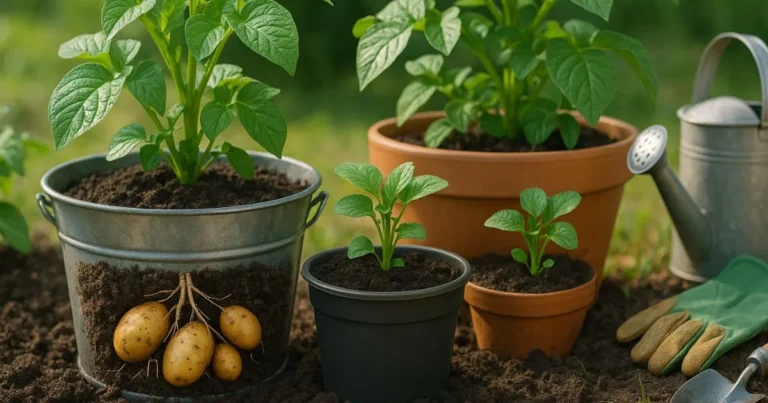
The container you use can make or break your potato harvest. Potatoes grow downward, forming tubers along buried stems — so depth matters.
Container Options
You can use nearly anything that drains well and holds soil. Great options include:
- Grow bags: Lightweight and breathable.
- Buckets: Cheap and easy to find (just drill holes in the bottom).
- Wooden barrels or boxes: Sturdy, rustic look, and ideal for large harvests.
Container Size and Drainage
Each potato plant needs roughly 10–15 gallons of soil. Containers that are at least 16 inches deep and 18 inches wide are ideal. Drainage holes are essential — without them, your potatoes will rot in soggy soil.
Container Comparison Table
| Container Type | Pros | Cons |
|---|---|---|
| Grow Bags | Lightweight, reusable, good airflow | Dry out faster |
| Buckets | Affordable, easy to move | Needs extra drainage holes |
| Wooden Barrels | Durable, aesthetic | Heavy when filled |
Choose what fits your space and style — there’s no one-size-fits-all.
Soil and Fertilizer Requirements for Container Potatoes
Potatoes are heavy feeders, meaning they need nutrient-rich soil to grow plump and healthy.
The Perfect Soil Mix
A good soil mix should drain well but hold moisture. Avoid garden soil alone — it’s too dense for containers.
Try this blend:
- 60% quality potting mix
- 30% compost or aged manure
- 10% perlite or vermiculite for aeration
Feeding Your Plants
Use an organic fertilizer with balanced nutrients (such as 10-10-10 NPK). Feed your plants every 2–3 weeks during growth. Compost tea or diluted fish emulsion also works wonders.
Healthy soil = happy potatoes.
Step-by-Step: How to Grow Potatoes in a Container
Here’s where the magic begins. Follow these steps carefully, and you’ll have a harvest to be proud of.
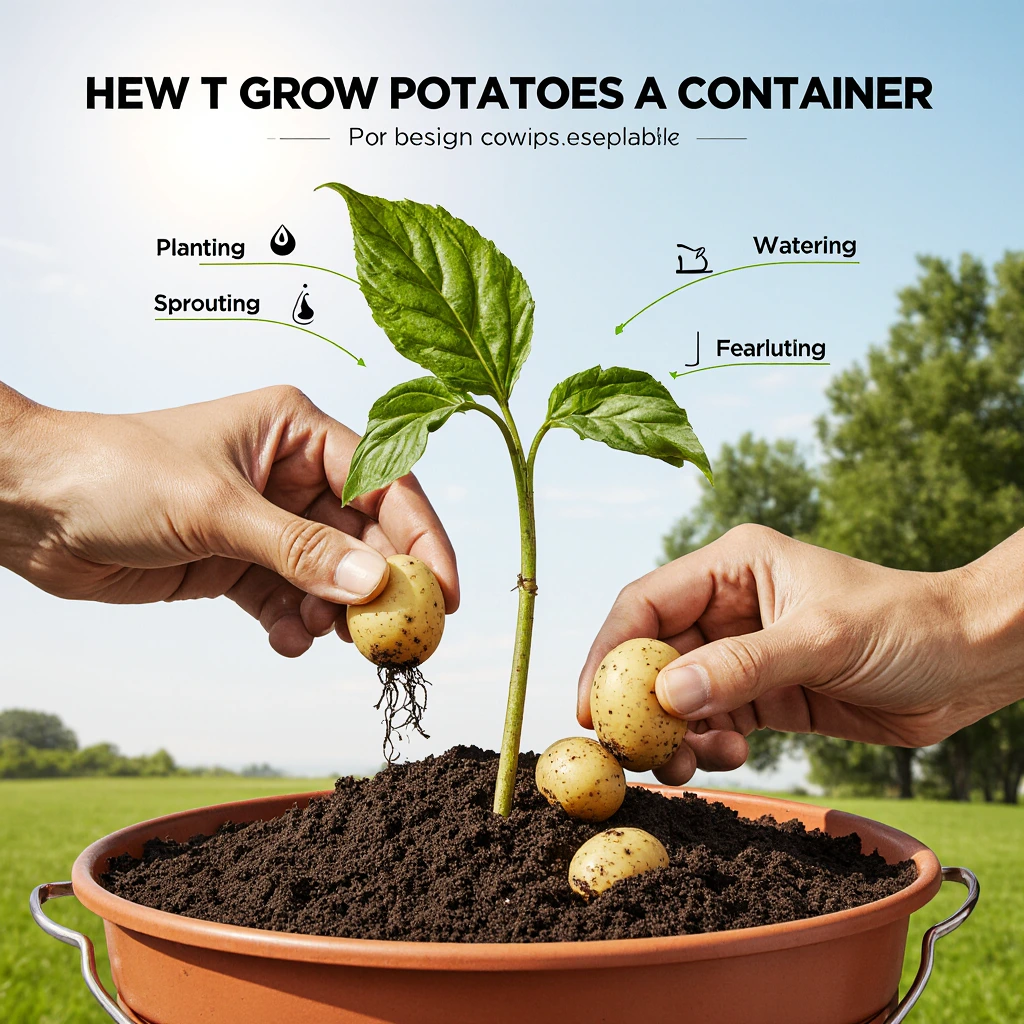
Step 1 – Prepare the Container
- Add 4–6 inches of your soil mix at the bottom.
- Make sure your container has drainage holes.
Step 2 – Plant the Seed Potatoes
- Place your chitted potatoes, eyes facing up.
- Space them 6 inches apart.
- Cover with 4 inches of soil.
Step 3 – Watering and Sunlight
- Keep the soil evenly moist — never soggy.
- Ensure 6–8 hours of direct sunlight each day.
- Use mulch or straw to retain moisture if needed.
Step 4 – Hill as They Grow
When your potato plants reach 6–8 inches tall, add more soil to cover two-thirds of the stems. This process, called hilling, encourages the plant to produce more tubers along the buried stems.
Repeat the process until the soil reaches the top of your container.
Step 5 – Harvest Time
When the leaves yellow and begin to die back, your potatoes are ready. Stop watering two weeks before harvest. Then, simply tip over your container, loosen the soil, and collect your homegrown treasure.
Store your potatoes in a cool, dark, and well-ventilated area. Avoid washing until you’re ready to cook.
Common Problems and Solutions in Container Potato Gardening
Even the best gardeners face challenges — here’s how to keep your crop healthy and thriving.
Common Issues
- Yellowing leaves: Could mean overwatering or nutrient deficiency.
- Rotting tubers: Caused by poor drainage or excess moisture.
- Aphids and mites: Small pests that feed on leaves.
Quick Fixes
- Ensure proper drainage to prevent rot.
- Water only when the top inch of soil feels dry.
- Use neem oil spray or insecticidal soap for pest control.
- Rotate container locations if sunlight is inconsistent.
With consistent care, your potato plants will bounce back quickly.
Simple Potato Recipes Using Your Homegrown Harvest
Now comes the fun part — cooking with your very own potatoes. You’ll taste the difference immediately.
Classic Garlic Butter Potatoes Recipe
| Ingredient | Quantity |
|---|---|
| Small Potatoes | 1 lb |
| Butter | 2 tbsp |
| Garlic (minced) | 3 cloves |
| Fresh Parsley | 1 tbsp |
| Salt & Pepper | To taste |
Instructions:
- Boil the potatoes in salted water until tender.
- Melt butter in a pan, sauté garlic until golden.
- Add the boiled potatoes, toss to coat.
- Sprinkle with parsley, salt, and pepper.
You can also roast your potatoes with olive oil and rosemary or mash them with cream and butter for comfort food bliss.
Your homegrown potatoes aren’t just food — they’re proof of patience and care.
FAQs About How to Grow Potatoes in a Container
1. How many potatoes can I grow in one container?
You can plant 2–3 seed potatoes in a 10–15-gallon container. Planting too many will crowd them, reducing yield.
2. Do potatoes need full sun?
Yes. Potatoes love sunlight — aim for 6–8 hours daily for best results.
3. Can I grow potatoes indoors?
You can, provided you use grow lights and keep them in a well-ventilated area.
4. How long does it take to grow potatoes in containers?
Early varieties mature in 70–90 days, while late varieties can take up to 110 days.
5. What is the best soil for container potatoes?
A mix of potting soil, compost, and perlite works best — it ensures both nutrition and drainage.
Conclusion: Your Container Potato Journey Awaits
You don’t need a sprawling garden to experience the joy of growing your own food. With a bit of care, sunlight, and patience, your balcony or backyard can become a mini potato farm. Every time you lift a container and uncover your harvest, you’ll feel a deep satisfaction that no supermarket purchase can match.
So, grab a container, pick your favorite potato variety, and start your growing journey today. Once you taste your own harvest, you’ll never look at store-bought potatoes the same way again.
Ready to start?
All you need is a pot, a few seed potatoes, and the willingness to watch something beautiful grow.