How to Start a Cut Flower Garden: Beginner’s Guide to Growing Beautiful Blooms
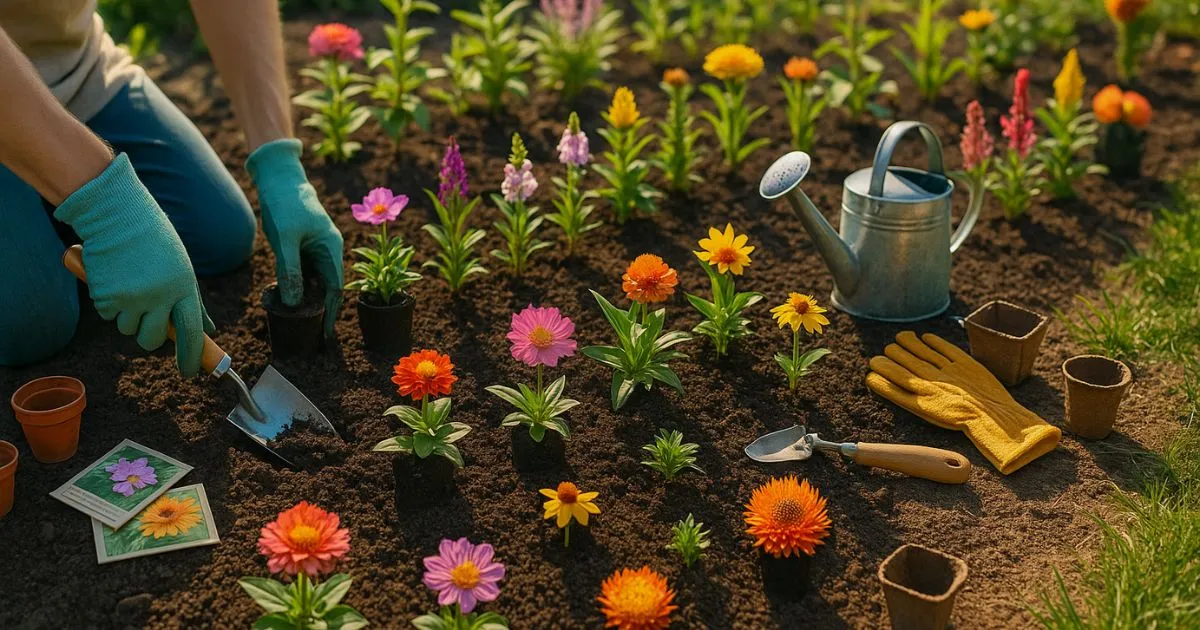
There’s a feeling you get the first time you step outside and see flowers you grew yourself waving gently in the breeze. It’s simple, quiet, and deeply personal. You might picture yourself gathering a handful of fresh stems, bringing them inside, and placing them in a vase that brightens your whole kitchen. Maybe you’ve watched other gardens burst with color and wondered if you could ever create something like that — something that feels alive and meaningful.
If you’re here, you’ve probably asked yourself how to start a cut flower garden and whether it’s something a beginner like you can do. The answer is yes. You don’t need years of gardening experience or a huge yard. What you need is curiosity, a bit of guidance, and the willingness to begin. This guide will show you how to turn a simple patch of soil into a place that surprises you with fresh blooms week after week.
Table of Contents
Understanding What a Cut Flower Garden Is
A cut flower garden is a space designed specifically for growing flowers you can harvest regularly. Instead of planting for looks alone, you plant for production — long stems, repeat blooms, and abundant color.
Why Cut Flower Gardens Work So Well for Beginners
- They’re simple to design
- Many cut-flower varieties bloom heavily with minimal effort
- Cutting flowers encourages more growth
- You get fast, visible progress as a new gardener
- Rows or blocks make planting and maintenance easier
Sun, Soil, and Space: The Essentials
To build a successful garden, you’ll want:
- Full sunlight (6–8 hours daily)
- Well-draining soil
- A spot you can easily reach for watering and harvesting
Before you buy seeds or plants, check your USDA growing zone to make sure you choose varieties that thrive in your climate:
🔗 https://planthardiness.ars.usda.gov/
This simple step can save you money, frustration, and time.
Best Flowers to Grow When Learning How to Start a Cut Flower Garden
Choosing the right flowers is the foundation of your success. Some flowers demand experience, but many are perfect for beginners because they grow fast, bloom often, and handle mistakes gracefully.
Easiest Annual Flowers for Beginners
Annuals bloom continuously and reward you with fast, abundant color.
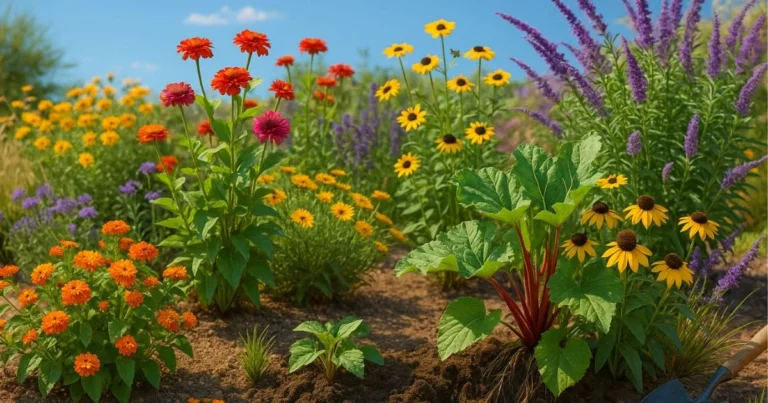
Zinnias
One of the easiest cut flowers you’ll ever grow. They love heat and produce long stems in a rainbow of colors.
Cosmos
Light, airy, and perfect for creating movement in your bouquets.
Sunflowers
Tall, bold blooms that bring structure and personality to any garden.
Marigolds
Resilient, colorful, and naturally pest-resistant — a beginner’s dream.
Snapdragons
Come in dozens of colors and add elegant vertical texture.
Why These Work:
They germinate easily, grow quickly, and bloom repeatedly with little supervision.
Beginner-Friendly Perennial Flowers
Perennials return every year, making them a consistent part of your garden.
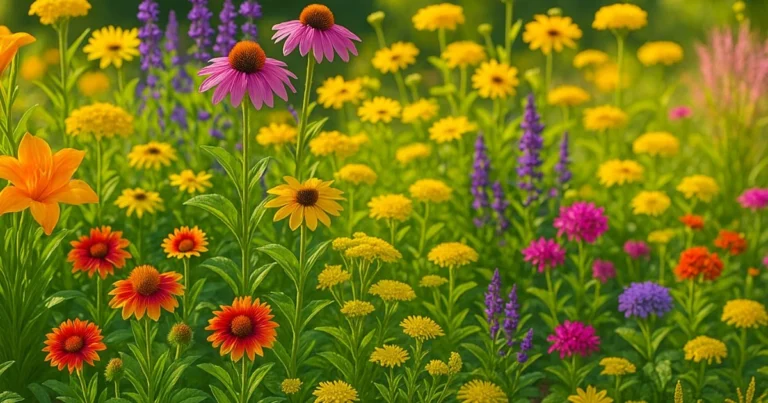
Coneflowers
Sturdy, long-lasting blooms that pollinators adore.
Shasta Daisies
Bright, cheerful flowers that thrive with minimal work.
Black-Eyed Susans
Tough and reliable, adding rich golden tones to your garden.
Yarrow
A great filler flower with long vase life and low water needs.
Coreopsis
Light, delicate blooms that create soft bursts of yellow.
Fragrant Flowers for Lovely Bouquets
Adding scent elevates every arrangement and adds emotional value to your garden.
- Sweet peas
- Lavender
- Stock
- Dianthus
- Freesia
These flowers make every harvest feel like gathering perfume from your garden.
Planning Your Cut Flower Garden Layout
Once you’ve chosen your flowers, it’s time to plan a layout that makes planting and harvesting easy.
Finding the Perfect Location
Your garden will thrive when you choose a spot with:
- Plenty of direct sunlight
- Airflow to prevent mildew
- Soil that drains well
- Room to walk between rows
- A water source close by
Designing a Beginner-Friendly Layout
Your layout doesn’t have to be fancy. Keep it practical and accessible.
Use Rows or Blocks
This keeps your garden organized and makes cutting stems quicker.
Place Tall Flowers in the Back or Center
Examples:
- Sunflowers
- Hollyhocks
- Snapdragons
Medium Flowers in the Middle
Examples:
- Zinnias
- Coneflowers
- Daisies
Low-Growing Flowers in Front
Examples:
- Marigolds
- Alyssum
- Dianthus
Group Flowers for Visual Flow
Try:
- Pink + white + purple
- Yellow + orange + red
- Blue + white + lavender
Simple color groupings make your garden look intentional.
Soil Preparation for a Healthy Cut Flower Garden
Healthy soil gives your flowers the strength to bloom repeatedly.
Ideal Soil Conditions
You’re aiming for soil that is:
- Loose and loamy
- Well-draining
- Rich in organic matter
- Neutral in pH (6.0–7.0)
How to Improve Your Soil
- Add compost for nutrient density
- Mix in aged manure for richness
- Add perlite or coarse sand for drainage
- Use mulch to maintain moisture
- Remove rocks or root debris
For soil guidance tailored to your region:
🔗 https://www.extension.org/
How to Start a Cut Flower Garden Step-by-Step
This is where everything comes together. Follow these steps, and you’ll have a garden ready for planting — and eventually, cutting.
1. Clear and Prepare the Area
Remove weeds, debris, and anything that competes with your flowers.
2. Loosen the Soil
Use a shovel or fork to loosen soil 8–12 inches deep.
3. Add Organic Matter
Mix compost directly into the loosened soil.
4. Plan Your Rows or Blocks
Measure spacing based on plant height and spread.
5. Dig Holes or Trenches
Tailor the depth to your seeds or transplants.
6. Water Before Planting
Moist soil helps roots settle quickly.
7. Place Seeds or Plants
Follow spacing recommendations on seed packets or labels.
8. Backfill and Lightly Press Soil
This removes air pockets and keeps roots stable.
9. Water Thoroughly
Give each plant a deep, slow soak.
10. Mulch Around Plants
Mulch locks in moisture and suppresses weeds.
Seeds vs Transplants: Which Is Better for Beginners?
| Option | Pros | Cons |
|---|---|---|
| Seeds | Inexpensive, lots of varieties | Slower start, requires thinning |
| Transplants | Faster blooms, easier for beginners | Higher cost, limited varieties |
If you want blooms as quickly as possible, choose transplants. If you want variety and low cost, choose seeds.
Watering Tips for Beginners
Watering seems simple, but doing it correctly makes a huge difference.
How to Water a Cut Flower Garden
- Water early in the morning
- Deep watering creates stronger roots
- Avoid watering the leaves
- Let soil dry slightly before watering again
How to Check Soil Moisture
Insert your finger 2–3 inches deep. If it feels dry at that depth, it’s time to water.
Signs You May Be Overwatering
- Mushy stems
- Yellow leaves
- Moss or algae on soil
- Foul smell
DIY Fertilizer Recipe for Bigger, Healthier Blooms
Fertilizer doesn’t have to be complicated. Here’s a simple, beginner-friendly recipe.
Fertilizer Table
| Ingredient | Amount | Purpose |
|---|---|---|
| Compost | 3 cups | Nutrient boost |
| Bone Meal | 1 cup | Root development |
| Epsom Salt | 1 tbsp | Brighter bloom color |
| Fish Emulsion | 2 tbsp | Nitrogen boost |
| Slow-release fertilizer | ½ cup | Steady feeding |
How to Apply
- Mix everything well
- Spread around each plant
- Water thoroughly
- Apply monthly during growing season
Natural Pest Control for Your Cut Flower Garden
Keeping your flowers healthy doesn’t require harsh chemicals. In fact, most beginner gardeners do well with simple, gentle methods that protect blooms without harming beneficial insects.
Common Pests You Might See
- Aphids
- Thrips
- Caterpillars
- Spider mites
- Whiteflies
- Japanese beetles
These pests appear more often in warm, dry weather or when plants are stressed.
Beginner-Friendly Pest Solutions
Neem Oil
A natural oil that disrupts feeding for most small pests.
Insecticidal Soap
Safe for plants, tough on soft-bodied insects.
Ladybugs
You can buy beneficial insects that naturally reduce aphids and mites.
Floating Row Covers
Protect young plants without blocking sunlight.
Healthy Soil + Regular Cleanup
Strong plants resist pests better than weak ones.
For science-based help with pest identification:
🔗 UF/IFAS Gardening Solutions → https://gardeningsolutions.ifas.ufl.edu/
Maintaining Your Cut Flower Garden Throughout the Season
A thriving cut flower garden doesn’t need constant attention — just simple, steady care.
Weekly Tasks
- Water deeply
- Remove weeds early
- Clip faded blooms (deadheading)
- Check for insects or disease
- Support tall flowers with stakes
Monthly Tasks
- Apply light fertilizer or compost
- Add mulch where needed
- Replace annuals that are slowing down
- Thin crowded plants
Seasonal Tasks
- Divide mature perennials
- Pull out exhausted annuals
- Clean fallen leaves and debris
- Prepare soil for the next season
This rhythm keeps your garden blooming and manageable.
Harvesting Tips for Long, Strong Stems
Cutting flowers feels like a reward for all your work — and knowing how to harvest properly helps your garden produce even more.
When to Harvest Flowers
- Early morning is best
- Late evening also works
- Avoid cutting during peak heat
How to Cut
- Use sharp, clean scissors
- Cut stems at an angle
- Remove lower leaves
- Place stems in water immediately
This protects your plant and encourages more growth.
How to Keep Your Cut Flowers Fresh Longer
Once you bring your flowers indoors, a few simple habits keep them bright and lively.
Vase Care Table
| Tip | Reason |
|---|---|
| Change water daily | Reduces bacteria |
| Trim stems every 1–2 days | Improves hydration |
| Remove leaves below water | Prevents rot |
| Keep vase out of direct sun | Slows wilting |
| Use a floral preservative | Extends freshness |
You can also mix 1 teaspoon of sugar + 1 teaspoon of vinegar into vase water as a homemade preservative.
Conclusion
Starting your first flower garden is more than learning how to plant — it’s learning how to create something beautiful that grows alongside your confidence. When you understand how to start a cut flower garden, you see that it doesn’t take perfection or expert skill. It takes curiosity, light, healthy soil, and a willingness to enjoy the process.
As you watch your first seedlings take root, you’ll feel the quiet satisfaction that comes from creating something with your own hands. And every time you gather a fresh bouquet, you’ll carry a piece of your garden into your home — color, fragrance, and joy that you grew yourself.
Whether your garden begins with one small bed or a few pots on your patio, the most important step is the first one you take today.
FAQ
How do you start a cut flower garden as a beginner?
Choose easy flowers, find a sunny spot, improve your soil, plant in rows, water deeply, and harvest often to encourage more blooms.
What flowers are best for beginner cutting gardens?
Zinnias, sunflowers, cosmos, snapdragons, coneflowers, and marigolds are excellent choices.
How much sunlight does a cut flower garden need?
Most cutting flowers require 6–8 hours of direct sunlight daily.
Should I use seeds or transplants for my first cut flower garden?
Transplants are easier, but seeds offer more variety and lower cost.
How often should a cut flower garden be watered?
Water deeply 2–3 times per week, depending on heat and soil.