Planting Potatoes in Pots : Your Complete Guide to Growing Fresh Spuds Anywhere
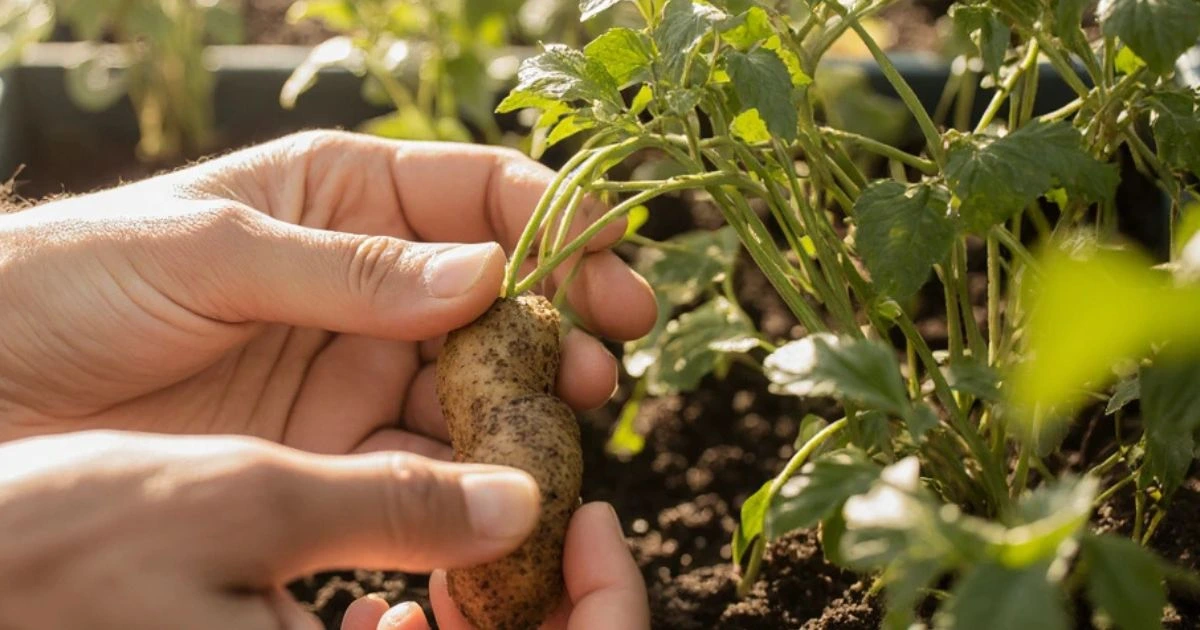
Imagine this: you step onto your balcony, brush your hands across a few leafy green plants, and pull up your very own potatoes from a simple pot. The soil crumbles between your fingers, and there they are—smooth, golden, homegrown spuds. You don’t need acres of land or fancy tools; all you need is a pot, some soil, and a bit of care.
That’s the magic of planting potatoes in pots. It’s not just gardening—it’s transformation. Whether you live in an apartment, have a small patio, or want to try something new, growing potatoes in containers brings farming to your doorstep. In this guide, you’ll learn exactly how to plant, care for, and harvest your own potatoes right from a pot.
Table of Contents

Why Plant Potatoes in Pots? (The Benefits You’ll Appreciate)
Potatoes are one of the most satisfying crops to grow. And when you grow them in pots, they become even more rewarding. Here’s why this method is so popular among home gardeners and urban dwellers alike:
- Space-friendly: You don’t need a big yard—just a sunny corner and a deep container.
- Fewer pests and diseases: Container growing keeps your potatoes safe from soil-borne issues common in garden beds.
- Easier harvesting: Instead of digging, you simply tip over the pot and collect your crop.
- Controlled environment: You decide the soil, moisture, and nutrients—ensuring healthier plants.
- Perfect for beginners: You can monitor progress closely and make quick adjustments.
Research from gardening experts such as the Royal Horticultural Society (RHS) supports the effectiveness of growing root crops like potatoes in containers—especially for those with limited garden space.
If you love hands-on, visible progress and want a low-maintenance crop, planting potatoes in pots could be your perfect start.
Choosing the Right Pot for Potatoes
Not all pots are equal when it comes to growing potatoes. The container you choose affects drainage, root development, and yield.
Best Pot Types for Potatoes
You can use almost any container that holds soil and drains well. Some of the best options include:
- Plastic Buckets: Affordable, sturdy, and widely available.
- Grow Bags: Lightweight and breathable, allowing roots to get oxygen.
- Wooden Barrels or Boxes: Provide excellent insulation and space for more tubers.
- Ceramic or Clay Pots: Beautiful for patios, though heavier and prone to drying.
Recommended Pot Size
- Minimum depth: 16–18 inches
- Capacity: 10–15 gallons per plant
- Drainage holes: Essential for preventing root rot
Comparison Table – Best Pots for Potatoes
| Pot Type | Advantages | Disadvantages |
|---|---|---|
| Grow Bags | Breathable, lightweight, reusable | Requires frequent watering |
| Plastic Buckets | Cheap, easy to move | Limited airflow |
| Wooden Barrels | Large capacity, rustic look | Heavy when filled |
| Fabric Pots | Good drainage, reusable | Can lose moisture quickly |
When it comes down to it, the best pot is the one you’ll actually use. Just make sure it drains well and has enough room for tubers to expand.
Selecting the Best Potato Varieties for Pots
Choosing the right potato variety can make all the difference. Some types thrive in tight spaces, while others need more room to spread.
Ideal Potato Varieties for Pots
- Yukon Gold: Excellent flavor, perfect for boiling or roasting.
- Red Norland: Fast-growing with smooth red skins.
- Fingerlings: Compact, great texture, and flavorful.
- Charlotte: A reliable early variety for small containers.
Avoid maincrop varieties—they take longer to mature and usually need more space than a pot can offer.
Using Seed Potatoes
Start with certified seed potatoes, not store-bought ones. Store potatoes are often sprayed with chemicals to prevent sprouting. Certified seed potatoes ensure disease-free growth.
Chitting Your Potatoes
Before planting, let your seed potatoes chit (pre-sprout). Place them in a cool, bright area for about 2–3 weeks. When shoots are about an inch long, they’re ready to plant.
Preparing the Perfect Soil Mix
Potatoes need loose, nutrient-rich soil. Dense or compact soil restricts tuber formation, so focus on creating a mix that drains well but retains enough moisture.
Ideal Soil Composition
Here’s a reliable blend for pot-grown potatoes:
- 60% potting soil
- 30% compost or aged manure
- 10% perlite, vermiculite, or coco coir for aeration
This mix ensures both nourishment and breathability for your plants.
Fertilizing Tips
Potatoes are heavy feeders, so a nutrient boost helps them thrive.
- Use a balanced organic fertilizer (such as 10-10-10 NPK).
- Mix a slow-release fertilizer into the soil before planting.
- Feed with compost tea or liquid seaweed every 2–3 weeks.
Healthy soil produces healthy, flavorful potatoes.
Step-by-Step: How to Plant Potatoes in Pots
This is where the fun begins. Follow these simple steps to start your container potato garden.
Step 1 – Prepare the Pot
- Fill your pot with 4–6 inches of prepared soil mix.
- Check that drainage holes are clear.
Step 2 – Add Seed Potatoes
- Place 2–3 chitted seed potatoes on the soil, eyes facing upward.
- Cover them with 4 inches of soil.
- Water lightly to settle the mix.
Step 3 – Water and Sunlight
- Keep the soil moist but not soaked.
- Potatoes need at least 6–8 hours of sunlight per day.
- In hot climates, move the pot where it gets morning sun and afternoon shade.
Step 4 – Hill as They Grow
When shoots reach about 6–8 inches tall, add soil to cover two-thirds of the stems.
This process, called hilling, encourages new tubers to form along the buried stems.
Repeat every few weeks until the pot is nearly full.
Step 5 – Monitor Growth
- Remove any yellowing leaves.
- Water deeply once or twice per week, depending on weather.
- Fertilize monthly for best yields.
Step 6 – Harvest Time
When foliage begins to turn yellow and die back, it’s time to harvest.
- Stop watering for two weeks before harvesting.
- Tip the pot over onto a tarp or soft ground.
- Gently sift through the soil to collect your potatoes.
There’s nothing quite like the thrill of uncovering your first harvest.
Common Problems and How to Solve Them
Even the best gardeners face challenges. Here’s how to identify and fix the most common issues in pot-grown potatoes.
Common Issues
- Yellow leaves: Often caused by overwatering or lack of nutrients.
- Rotting tubers: Results from poor drainage or excessive watering.
- Pests: Aphids, spider mites, and potato beetles can appear.
Solutions
- Drainage: Make sure your container has holes and that water flows freely.
- Water control: Check the top inch of soil—if it’s dry, it’s time to water.
- Pest prevention: Spray neem oil or use insecticidal soap weekly.
- Air circulation: Space pots apart to reduce humidity and disease.
Stay observant, and small issues won’t turn into major setbacks.
Simple Recipes for Your Homegrown Potatoes
After weeks of care, it’s time to enjoy the fruits (or roots) of your labor. Here’s an easy recipe that highlights the flavor of freshly harvested potatoes.
Garlic Herb Baby Potatoes Recipe
| Ingredient | Quantity |
|---|---|
| Baby Potatoes | 1 lb |
| Olive Oil | 2 tbsp |
| Garlic (minced) | 3 cloves |
| Fresh Parsley | 1 tbsp |
| Salt & Pepper | To taste |
Instructions:
- Boil potatoes in salted water until tender.
- Drain, then toss in olive oil and minced garlic.
- Roast at 400°F for 20–25 minutes or pan-fry until golden.
- Garnish with fresh parsley, salt, and pepper.
Crispy, aromatic, and made from your own crop—it doesn’t get more satisfying than that.
FAQs About Planting Potatoes in Pots
1. How many potatoes can I plant in one pot?
Generally, 2–3 seed potatoes per 10–15-gallon pot is ideal. Overcrowding limits tuber size.
2. How long do potatoes take to grow in pots?
Early varieties take about 70–90 days, while later types may need up to 110 days.
3. What size pot is best for potatoes?
Choose one at least 16 inches deep with proper drainage holes.
4. Can I grow potatoes indoors?
Yes! Place them near a bright window or use LED grow lights. Ensure good airflow and consistent watering.
5. Do potatoes in pots need full sunlight?
Absolutely. Potatoes love sunlight. Give them at least 6–8 hours daily for best growth.
6. How do I know when to harvest?
When the plant’s foliage turns yellow and begins to wilt, wait two weeks, then harvest.
Conclusion: Your Potato-Growing Journey Starts Now
You don’t need a field or fancy tools to grow your own potatoes. With a pot, some good soil, and a little patience, you can bring farming to your balcony or backyard. Every leaf, every sprout, and every harvest connects you to the rhythm of nature—right outside your door.
So go ahead—choose your pot, prepare your soil, and plant your seed potatoes. In just a few months, you’ll be holding your own harvest, proud of every ounce of effort you put in.
Your first crop might be small, but it’s the start of something big—fresh food, self-sufficiency, and the simple joy of growing something with your own hands.
Ready to begin?
Grab your pot, plant your potatoes, and let your green thumb do the rest.