21 What Herbs Can Be Planted Together: The Ultimate Guide to Full Sun Herbs
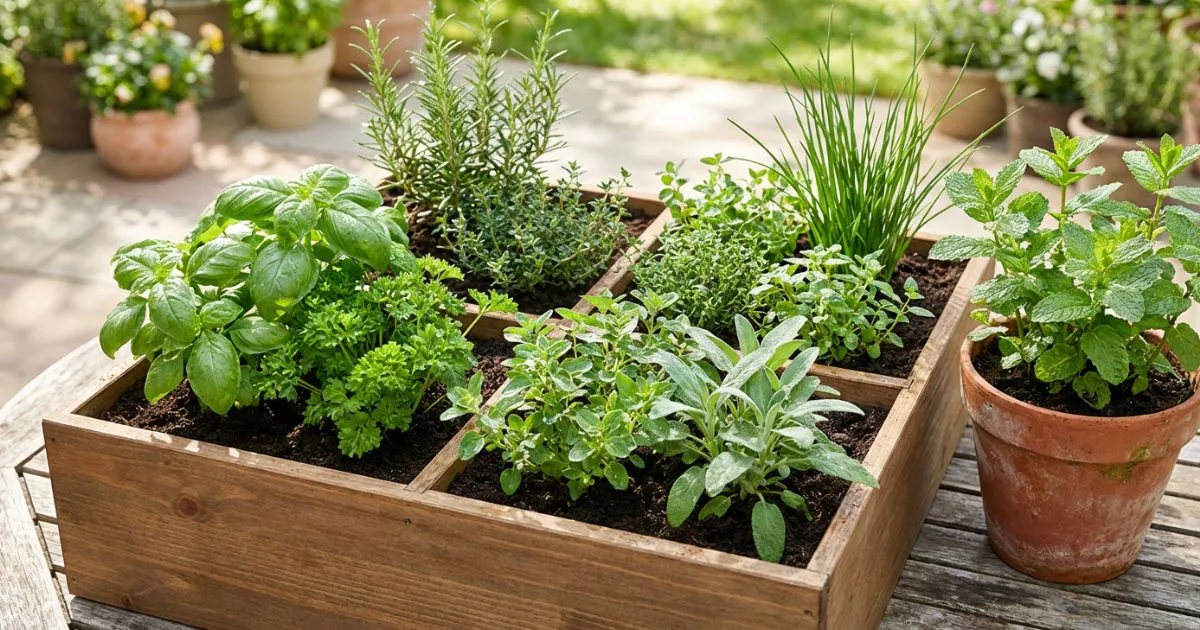
There’s a moment many gardeners know well: stepping into the sunlight, brushing your hand through a warm rosemary plant, and catching the scent drifting upward. Something about that moment feels grounding. Maybe it reminds you of meals shared with people you care about, or maybe it brings back the memory of a garden you once wandered through as a child. There’s a certain comfort in plants that thrive under the same sun you stand in—steady, reliable, and full of life.
That’s the beauty of full sun herbs. They love heat. They love light. And when you understand what herbs can be planted together, you create a garden that grows almost effortlessly. The herbs support one another, share similar needs, and fill your space with colors, textures, and scents that feel vibrant and alive.
Whether you’re growing in raised beds, containers, a sunny balcony, or a traditional backyard, arranging herbs in compatible groups makes all the difference. In this guide, you’ll learn how to pair full sun herbs, avoid incompatible combinations, create healthy soil mixes, and care for your herbs all season long.
This isn’t just about gardening—it’s about building a space that feeds your senses and your kitchen, one sun-loving herb at a time.
Table of Contents
Why Choosing the Right Herb Combinations Matters
Companion Planting for Herbs: Why It Works
When you understand what herbs can be planted together, you give your garden a natural boost. Herbs tend to thrive when planted in groups that share the same needs—sunlight, soil type, watering schedule, root depth, and heat tolerance.
Here’s why pairing herbs matters:
- Better growth — compatible herbs don’t compete aggressively.
- Shared watering needs — no drowning one herb to keep another alive.
- Unified sunlight preferences — all herbs enjoy the same strong sun.
- Healthier soil — matching herbs improves drainage and nutrient balance.
- Fewer pests — some herbs repel pests that attack their companions.
- Beautiful garden design — height, color, and texture complement each other.
It also simplifies your routine—you water the same way, prune similarly, and don’t have to remember which herbs need shade or constant moisture.
Common Mistakes When Pairing Full Sun Herbs
1. Mixing Water Lovers With Drought Lovers
Putting basil with rosemary sets one up for failure.
2. Planting Aggressive Spreaders With Delicate Herbs
Mint is notorious for taking over.
3. Using Moisture-Retaining Soil for Dry-Loving Herbs
Mediterranean herbs prefer lean, sandy soil.
4. Ignoring Growth Habit (Tall vs Small)
Fennel can overshadow and starve low-growing herbs.
5. Combining Herbs With Different Lifespans
Annuals and perennials need very different maintenance.
For climate reference, check your zone:
👉 https://planthardiness.ars.usda.gov
Best Full Sun Herbs (and How to Group Them)
Below you’ll find the best groupings for sun-loving herbs and a breakdown of how they thrive together.
Mediterranean Group: Dry Soil & Bright Sun
These herbs thrive in:
- Full sun (6–8+ hours)
- Sandy soil
- Deep, infrequent watering
- Hot or dry climates
They are the easiest group to grow together.
Herbs That Grow Beautifully Together
- Rosemary
- Thyme
- Oregano
- Sage
- Lavender
- Marjoram
- Summer Savory
- Winter Savory
Why This Group Works
These herbs evolved in similar climates. Their roots like air circulation, their leaves hold essential oils intensified by sunlight, and they want soil that drains quickly after a rainfall.
Moisture-Loving Full Sun Herbs
These herbs can handle sun but require more water and richer soil:
Herbs That Can Be Planted Together
- Basil
- Parsley
- Chives
- Cilantro
- Dill
- Tarragon
Why This Group Works
They enjoy:
- Moist but not soggy soil
- Bright sun with occasional afternoon shade
- Regular harvesting to keep growth compact
Basil + parsley is a classic pairing for container gardens.
Herbs You Should NOT Plant Together
Avoid pairing the following:
Mint With Anything
Mint spreads rapidly underground.
Plant in its own pot ONLY.
Dill + Fennel
They cross-pollinate, creating bitter flavors and weak plants.
Cilantro With Dry-Soil Herbs
Cilantro needs moisture—rosemary does not.
Lavender + Basil
Opposite moisture needs.
Full Sun Herb Profiles (Growing Needs)
Each herb below includes ideal light, soil, water, spacing, and compatible partners—so you know exactly what herbs can be planted together in your garden.
1. Rosemary
Growing Needs
- Full sun
- Sandy, dry soil
- Low water
- Good airflow
Companions
- Thyme
- Sage
- Lavender
2. Thyme
Growing Needs
- Full sun
- Rocky, well-drained soil
- Minimal watering
Companions
- Rosemary
- Oregano
3. Oregano
Growing Needs
- 6–8 hours sun
- Poor soil
- Infrequent watering
Companions
- Thyme
- Sage
- Marjoram
4. Sage
Growing Needs
- Bright sun
- Sandy soil
- Deep root space
Companions
- Rosemary
- Oregano
5. Lavender
Growing Needs
- Hot sun
- Fast drainage
- Low humidity
Companions
- Thyme
- Oregano
6. Basil
Growing Needs
- Full sun
- Moist, rich soil
- Weekly pruning
Companions
- Tarragon
- Parsley
- Chives
7. Parsley
Growing Needs
- Full sun
- Frequent watering
- Nutrient-rich soil
Companions
- Basil
- Chives
- Dill
8. Chives
Growing Needs
- Full sun
- Regular water
- Divides easily
Companions
- Basil
- Parsley
9. Dill
Growing Needs
- Full sun
- Deep soil
- Light watering
Companions
- Cilantro
- Parsley
10. Tarragon
Growing Needs
- Full sun
- Loose soil
- Balanced watering
Companions
- Basil
- Parsley
Best Soil Mix for Full Sun Herb Gardens
Recommended Soil Mix Table
| Ingredient | Amount | Purpose |
|---|---|---|
| Potting Soil | 50% | Base structure |
| Sand | 25% | Drainage |
| Perlite | 15% | Airflow |
| Compost | 10% | Nutrition |
Why This Mix Works
It mimics Mediterranean soil while providing enough nutrients for moisture-loving herbs.
More details:
👉 https://www.rhs.org.uk/soil-composts-mulches
How to Plant Full Sun Herbs (Step-by-Step)
Step 1: Choose the Right Location
- Aim for 6–8+ hours of sunlight
- South-facing is ideal
Step 2: Prepare the Soil
Light, airy, well-drained.
Step 3: Group Herbs Based on Needs
Use the pairings provided above.
Step 4: Plant With Proper Spacing
- Small herbs: 12”
- Medium herbs: 18”
- Tall herbs: 24”
Step 5: Water Correctly
Deep, infrequent watering is best.
Caring for Full Sun Herbs All Season
Watering Tips
- Water early in the morning
- Don’t splash leaves
- Let soil dry between watering (except basil/parsley)
Sunlight Tips
- Rotate containers weekly
- Avoid planting near shade structures
Pruning Tips
- Pinch basil weekly
- Trim rosemary lightly
- Remove bolt flowers from cilantro
Common Problems (And How to Fix Them)
Wilting
Fix:
Deep water, add gravel mulch.
Yellow Leaves
Fix:
Improve drainage; reduce watering.
Leggy Plants
Fix:
Increase sun exposure.
Pests
Fix:
Use neem oil + increase airflow.
Recipes Using Full Sun Herbs (Tables Included)
Lemon-Thyme Marinade
| Ingredient | Amount |
|---|---|
| Thyme | 1 tbsp |
| Lemon Juice | 2 tbsp |
| Olive Oil | 3 tbsp |
| Garlic | 1 clove |
Rosemary Herb Butter
| Ingredient | Amount |
|---|---|
| Rosemary | 1 tbsp |
| Butter | ½ cup |
| Sea Salt | ½ tsp |
Oregano Tomato Sauce
| Ingredient | Amount |
|---|---|
| Oregano | 1 tbsp |
| Tomatoes | 2 cups |
| Olive Oil | 1 tbsp |
FAQ About What Herbs Can Be Planted Together
What herbs can be planted together in full sun?
Rosemary, thyme, oregano, sage, lavender, and marjoram thrive together.
Which herbs should be kept separate?
Mint—always plant mint alone.
Do full sun herbs need a lot of water?
Most need deep, infrequent watering.
Can I grow herb combinations in containers?
Yes—just match their water and soil needs.
What herbs grow best in hot climates?
Oregano, rosemary, lavender, and thyme.
Conclusion
Growing full sun herbs becomes far easier when you understand what herbs can be planted together. Matching herbs by sunlight, soil type, water needs, and growth habits creates a garden that thrives with minimal effort. Whether you’re planting in raised beds, ceramic pots, or a sunny corner of your yard, these herb groupings help you build a garden full of fragrance, flavor, and life.
Your herb garden becomes more than just plants—it becomes a place where color, scent, and sunlight come together in a small daily ritual that grounds you and brings joy to your space.